Pre- and post-trip inspections can help reduce CSA violations while improving fleet safety and maintenance performance. However, current FMCSA rules do not require drivers to submit inspection reports when no defects are found. That raises an important question: are inspections being completed thoroughly and consistently?
In practice, that leaves plenty of room for interpretation. At a time when fleets are dealing with high driver turnover, relying on inconsistent inspection habits can create unnecessary risk.
Why Pre- and Post-Trip Inspections Matter
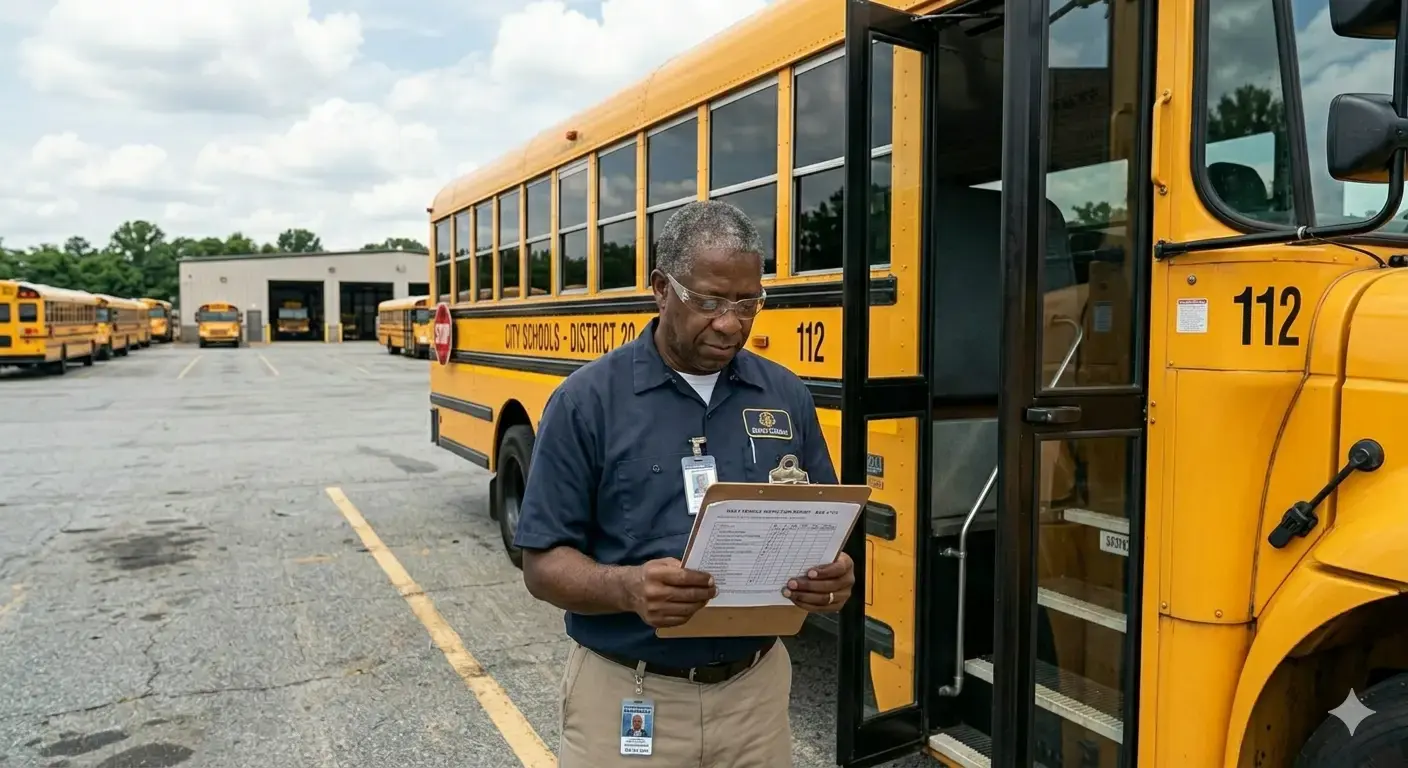
Drivers should not only complete pre- and post-trip inspections, but fleets should also make the process electronic and verifiable to improve accountability. If your fleet still relies on paper inspection forms, you may be missing opportunities to identify maintenance issues earlier and capture more useful, structured data.
Paper-based reporting, even when handled carefully, is vulnerable to errors, delays, and lost documentation. And the challenge grows quickly at scale. A single driver may inspect a tractor, a trailer, and additional equipment during a single shift. Multiply that across an entire fleet, and paper processes can become inefficient fast.
The Benefits of Electronic Inspection Reporting
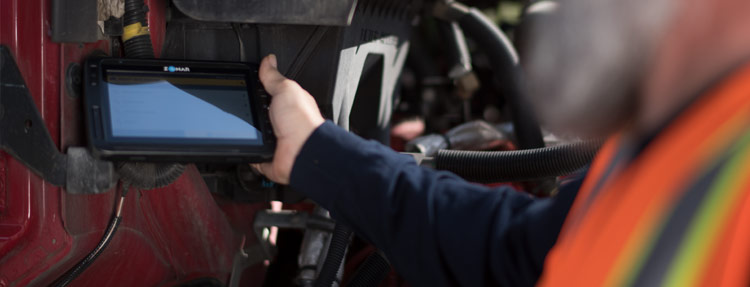
Electronic forms make pre- and post-trip inspections easier to complete, easier to review, and easier to act on. They support more accurate reporting and faster follow-up across the fleet. With the right mobile device and a preloaded inspection workflow, drivers can move through required checkpoints more efficiently and with less friction.
Electronic inspection reporting also does more than help fleets avoid CSA maintenance violations. It helps surface maintenance issues before they become more serious, more expensive problems. That can improve vehicle uptime and create measurable financial value for both fleet operators and drivers.
How Better Inspections Support Compliance and Uptime
Weigh stations and roadside inspections remain one of the primary ways commercial vehicles are checked for compliance with federal and state requirements. In many cases, trucks are flagged for visible defects or obvious violations that could have been identified during a proper pre- or post-trip inspection.
When a vehicle is pulled aside for inspection, every minute spent addressing preventable issues is time lost from the road. If the driver or vehicle is placed out of service, that downtime can quickly turn into lost revenue for both the fleet and the driver.
A Smarter Approach to Fleet Inspections
A proper inspection is the first step toward better fleet efficiency. Capturing inspection data electronically is the second. Verifying that the inspection actually took place is the third. Together, these steps can help fleets improve compliance, reduce downtime, and keep vehicles operating with greater confidence.
This article was originally published on FleetOwner.