

How Dash Cams May Help Fleets Reduce Insurance Risk


If you operate a fleet, you know commercial auto insurance can be a major expense. Dash cameras and video telematics may help some fleets strengthen their safety programs, document incidents more clearly, and have better conversations with insurance providers about risk.
Not every insurer offers a dash cam insurance discount, and savings are not guaranteed. But for many fleet operators, dash cameras can still be a valuable part of a broader strategy to reduce risk, improve driver coaching, and better document what happens on the road.
What Is a Dash Cam System?
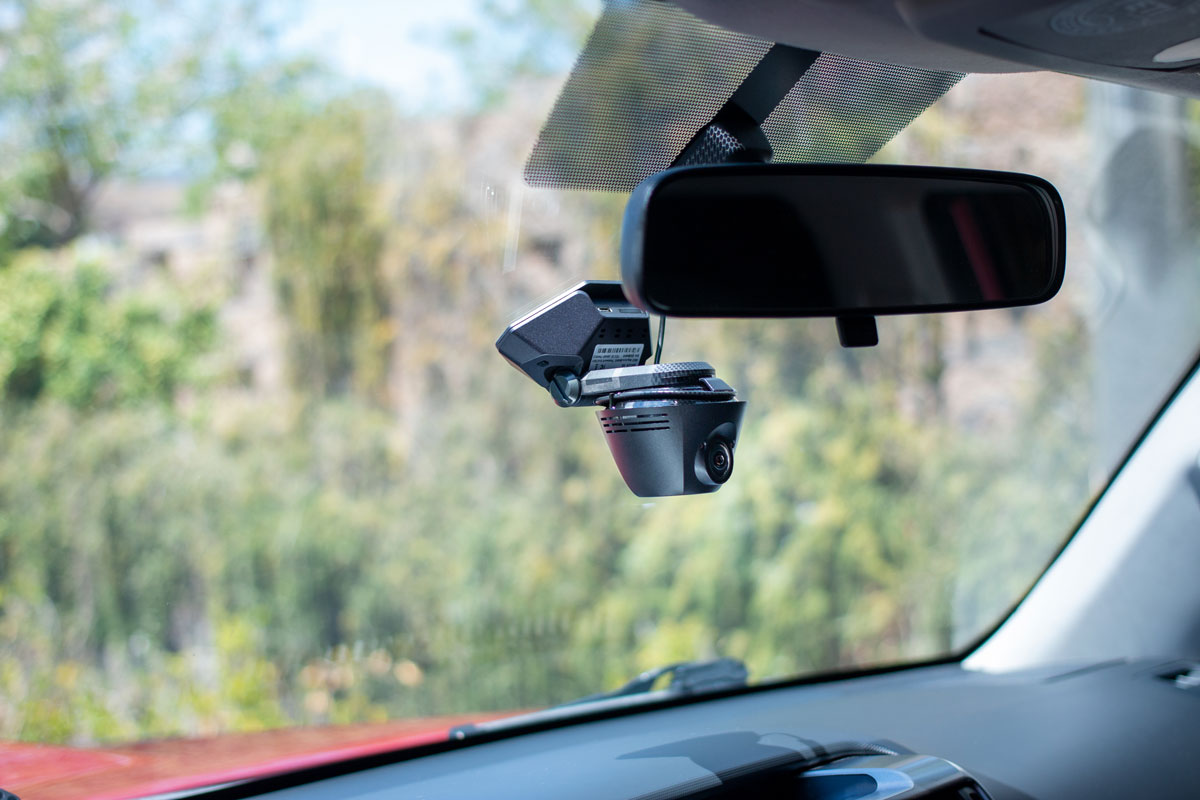
A dash camera, or dash cam, is an onboard recording device that captures video from a commercial vehicle. Depending on the system, cameras may be road-facing, driver-facing, or both. Some systems also capture audio, vehicle data, event triggers, and other telematics information.
Dash cameras can help fleet teams review collisions, near misses, harsh braking, distracted driving events, theft, vandalism, and disputed incidents. When footage is paired with vehicle data, managers can get a clearer picture of what happened before, during, and after an event.
Why insurers may care about dash cams
Insurance providers evaluate risk. A fleet that uses dash cameras as part of a documented safety program may be able to show that it is taking active steps to coach drivers, reduce preventable incidents, and improve claims documentation.
Can Dash Cameras Help Lower Insurance Costs?
Dash cameras may help some fleets qualify for insurance savings, but it depends on the provider, policy, fleet size, claims history, vehicle type, driver profile, and how the technology is used. Some insurers may offer discounts, rebates, or preferred terms for fleets that use dash cameras or video telematics. Others may not.
The best approach is to ask your insurance agent or carrier directly. Be prepared to explain what system you use, how events are reviewed, how drivers are coached, how footage is stored, and how the program supports safer operations.
Zonar’s video telematics solutions can help fleet teams add visual context to safety events and support driver coaching workflows. That visibility may help fleets have more informed conversations with insurers about safety, claims, and risk management.
How Dash Cameras Support Claims Documentation
One of the most practical benefits of dash cameras is incident documentation. When a crash, damage claim, or disputed event occurs, footage can help show what happened on the road and how the driver responded.
This can be especially useful when accounts conflict or when a fleet needs to understand whether a driver was at fault, responding to another vehicle, or affected by road conditions. Clear documentation may help speed up internal review and provide useful context during the claims process.
How Dash Cameras Support Driver Safety Programs
Dash cameras are most valuable when they are part of a larger safety program. Video can help managers coach drivers on behaviors such as distraction, speeding, harsh braking, rapid acceleration, following distance, and seat belt use.
Driver scorecards can also help teams track performance over time. When managers review video alongside telematics data, they can coach more fairly and focus on recurring patterns instead of isolated events.
Used thoughtfully, dash cameras can also help protect drivers. Footage may show that a driver acted appropriately, avoided a hazard, or was not responsible for an incident.
What to Ask Your Insurance Provider
Before assuming a dash cam insurance discount is available, ask your provider specific questions about how they evaluate video telematics and fleet safety programs.
- Do you offer discounts or rebates for dash cameras or video telematics?
- Are specific camera features or vendors required?
- Do discounts depend on fleet size, claims history, or driver safety scores?
- How should incident footage be stored and shared during a claim?
- Can dash cam data support future underwriting or renewal discussions?
Documenting these answers can help your team compare insurance options and better understand what role dash cameras may play in risk management.
Compliance and Privacy Considerations
Dash camera programs should be supported by clear policies. Drivers should understand when cameras record, what data is collected, who can access footage, how long footage is stored, and how the information may be used in coaching, claims, or investigations.
Regulations, labor rules, insurance requirements, and privacy expectations can vary by location and use case. Review current requirements and consult qualified counsel or compliance resources before relying on any technology or policy change.
How Zonar Can Help
Zonar helps fleet teams improve visibility into vehicles, drivers, safety events, and day-to-day operations. With Zonar’s video telematics solutions, fleets can add visual context to incidents, support driver coaching, and make more informed decisions about safety and risk.
To learn how Zonar can help your fleet improve safety visibility and claims documentation, contact the Zonar team.