Summary: Learn how to build a fleet safety program that withstands scrutiny through reliable inspections, enforceable policies, telematics visibility, driver coaching, exoneration tools and vehicle health monitoring for safer student transportation and public sector fleet operations.
Read time: 10-min
Every fleet needs a safety program, but not necessarily the exact same fleet safety program. School districts and public sector fleets have different daily operations, as well as consequences for gaps or failures, than a commercial freight business. The National Safety Council states that, “Some 25 million students nationwide begin and end their day with a trip on a school bus.” The risk tolerance for these trips is zero. Publicly funded fleets need their own strategies for ensuring consistently safe operations, and for good reasons. Namely, higher risk and broader accountability.
Building safety around vehicles is due to heavy consequences. School buses are the safest mode of transportation for students going to and from school. The National Highway Traffic Safety Administration (NHTSA) states that the “school bus is one of the safest vehicles on the road.”
Crews and technicians for utility fleets, construction and similar agencies face higher risk on the road. According to the CDC, “Motor vehicle crashes are the leading cause of work-related deaths in the United States.” The CDC also states, “From 2011-2022, more than 21,000 workers in the U.S. died in a work-related motor vehicle crash (35% of all work-related deaths).” That 35% isn’t specific to public sector fleets, but it does include them. And when there’s a safety incident, these fleets answer to community leaders, regulators, administrators, and families.
This guide provides a practical approach for bringing together a school or public fleet’s safety policies, driver training, fleet management technology, and fleet data. Each section plays a role in building a program that closes gaps and holds up under inevitable scrutiny.
- Part 1: Are your fleet safety policies clear and enforceable?
- Part 2: How else can you use telematics for more visibility in fleet safety?
- Part 3: How reliable are your fleet’s pre-trip inspections?
- Part 4: Does your safety program include driver coaching and exoneration?
- Part 5: Is fleet vehicle health connected to driver safety?
First, let’s start with why these types of fleets need a different approach than other commercial fleets such as long-haul trucking.
Why do public sector fleets need a different approach to fleet safety?
Public perception and accountability
Fleets such as school buses, utilities, public works and public safety operate in a different world of accountability. The National Transportation Safety Board (NTSB) estimates that every day, nearly “500,000 buses carry more than 25 million students to and from school and school-related activities.” That’s a lot of families who trust those buses with their children.
Student transportation and other public sector organizations are at least partially funded by taxpayers. And they interact with that public in some way, each day.
Taxpayers expect student transportation fleets to operate safely and responsibly because they transport children. And they expect the same of other public sector fleets because of the public’s financial investment in those organizations and agencies. Detailed transparency into performance is required, especially if they want additional funding or when there’s been a fleet safety failure.
Read more: How public fleets earn public trust and operate under scrutiny
Unique risks during daily operations
When a semi makes a trip, that driver is essentially driving from Point A to Point B. When a school bus or public works vehicle makes a trip, that involves moving at low speeds, making frequent stops, turning in tight spaces, and protecting people getting on and off the vehicle; all of which increases risk.
Factors that increase risk for public fleets include:
- Daily trips that consist of frequent stopping and heavy traffic
- Maneuvering in small areas such as neighborhoods and building complexes
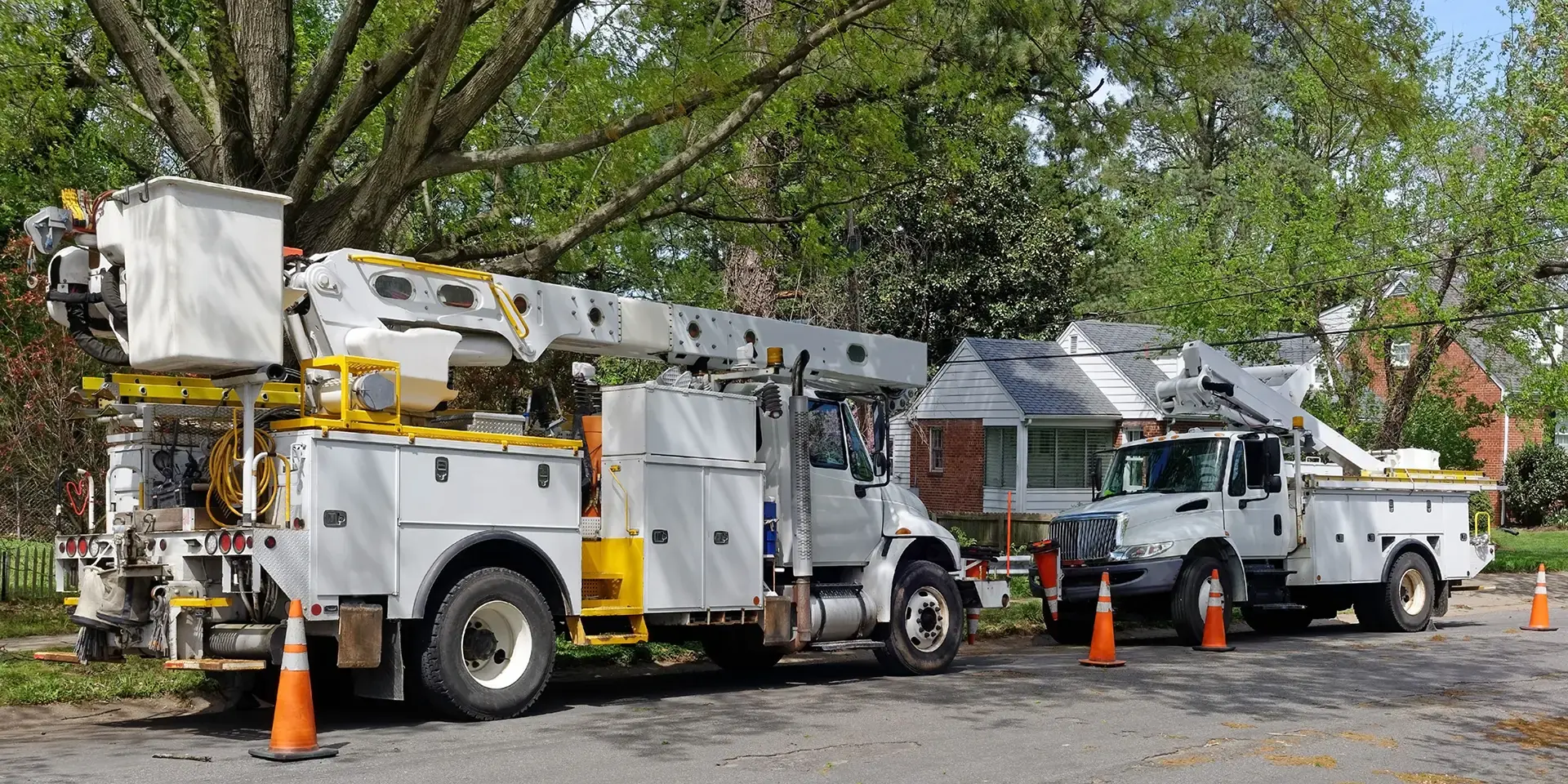
- Operators using specialized equipment such as those found on utility crane trucks
- Crews operating outside the vehicle such as waste collection workers on garbage trucks
- Students embarking and disembarking
These types of daily trips increase the risk of a safety failure or incident, especially when driving a large, cumbersome vehicle like a school bus or garbage truck.
With that, let’s move on to the step-by-step guide for a fleet safety program.
Part 1: Are your fleet safety policies clear and enforceable?
Informed safety policies and procedures are the foundation of fleet safety, not just a compliance requirement. But they’re are only as effective as how relevant they are to your operation, and how well they’re understood and enforced.
Effective fleet safety policies cover:
- Speed management in school zones, neighborhoods, construction zones, business parks, apartment complexes, urban streets, and other places with high risk to pedestrians
- Proper procedures and protocols for stopping and backing up, as well as right-of-way rules
- Seatbelt use for drivers, passengers and where applicable, riders such as students or transit vehicle passengers
- Vehicle inspection procedures, requirements, defect reporting, and out-of-service procedures
- Mobile device use to prevent distracted driving, manage fatigue, and obey laws
- Incident reporting requirements and post-collision protocols
- What constitutes acceptable and non-acceptable vehicle use
- Expectations for high-risk driving behaviors such as speeding, hard braking, aggressive acceleration, and tailgating
- How facility cameras, dashcams and external fleet cameras are used to monitor and ensure policies are followed
Drivers and personnel rely on these policies for clear guidance in how to do their job safely. If expectations are unclear, they’re on their own to make the judgment call, which increases risk and makes accountability difficult to establish when there’s an incident.
Part 2: How can you use telematics for fleet safety visibility?
Telematics data is the backbone of modern fleet management, which plays a critical role in building an effective, foundational fleet safety program. You need to know how your fleet, especially drivers and vehicles, operates when no one is looking.
A hard-wired telematics control unit (TCU) provides visibility and actionable insights into driver behavior, vehicle performance, and operational patterns that signal weaknesses in your fleet safety program’s ability to hold up during an investigation if required.
To be clear, you’re not trying to collect more data. The point is to identify risks before they become incidents, especially when risk is increasing. Federal Motor Carrier Safety Administration (FMCSA) research shows that, “From 2016 to 2022, fatal crashes involving large trucks and buses in the United States increased 26.4 percent.”
Identifying risk means you proactively address unsafe behaviors and operational issues (like not following inspection procedures) that lead to accidents and incidents.
- Can you identify high-risk drivers and recurring vehicle issues?
- Can you verify thorough, consistent inspection compliance?
- Can you monitor adherence to safe driving and operations policies?
Like good food feeds the soul, good data informs a quality fleet safety program. Reliable telematics control units (TCUs) with consistent connectivity and accurate insights provide information and answers that demonstrate compliance.
Tethered vs. untethered TCU tracking
Software-only and plug-and-play telematics have their place but also have limitations. Location updates are slower and less reliable. The range of data they collect is limited because they’re not designed to speak directly with the vehicle. They either live on a mobile device or they plug into a vehicle port, not the engine control module (ECM).
For many use cases such as seasonal vehicles, this level of tracking is fine. However, for fuller visibility and stronger compliance, OEM-grade, tethered telematics devices provide a richer array of data.
OEM-grade, tethered TCUs deliver detailed fleetwide visibility by installing directly on the vehicle’s ECM and streaming its data to the fleet management platform. Because the TCU is hardwired directly to the vehicle’s engine, it pulls a wider range of data to inform a wider range of actionable insights and fleet safety policies.
- Real-time location
- True vehicle engine speed
- Power take-off (PTO)
- True vehicle odometer
- True vehicle fuel consumption
- True vehicle and PTO idle
- Diagnostic trouble codes
- Accelerometer
- Discrete input/outputs (I/Os)
- Electric vehicle state-of-charge (SoS)
- Emissions for the California Air Resources Board (CARB) Clean Truck Check (CTC) program
Think of it this way: if you’re not confident in what your own fleet data tells you, why should anyone else? Learn more about the differences in telematics here.
For school and public sector agencies, telematics provides a level of accountability no paper-based fleet safety program can. And that means proof that the person behind the wheel was operating safely and in accordance with laws, policies and regulations.
Part 3: Are your fleet safety program’s pre-trip inspections audit-ready?
Some perspective on the important of inspections: During the Commercial Vehicle Safety Alliance’s (CVSA) annual International Roadcheck initiative, law enforcement officials perform thousands of Level I roadside inspections to ensure vehicles and drivers are compliant. Most are. Many are not. In 2025, the total vehicle out-of-service rate was 18.1% and the driver out-of-service rate was 5.9%.
Most fleet safety programs lean on routine, thorough pre-trip inspections (not third-party inspections) to find defects.
When critical systems such as brakes or steering fail, downtime for repairs is the least of your worries. Vehicle inspections are critical risk controls and the first line of defense in any fleet safety program. Identifying defects and safety issues before the vehicle is driven reduces failures that open the public to harm and the fleet to liability.
Each inspection answers one single, simple question: Is this vehicle safe to operate?
- Are pre-trip, post-trip and swing-shift inspections completed thoroughly and consistently?
- Are inspection procedures standardized across drivers and vehicle types?
- Are reported defects tracked from discovery to prioritization to resolution?
- Are missed, rushed or skipped inspections easy to quickly identify?
- Are inspection records easily produced during audits, reviews or investigations?
Paper versus digital inspections
Paper inspections create blind spots you won’t know exist. Forms are easy to lose or falsify, and not always easy to retrieve on demand.
When there’s an incident involving a fleet vehicle, its inspection history and documentation will come under question. Digitizing and monitoring inspection compliance ensures safer vehicles and creates reliable histories that support audits and reviews.
Digitize inspections for stronger compliance and a digital, data-based audit trail.
- Prove the vehicle was inspected and reported defects were repaired.
- Prove your agency follows its own fleet safety program and inspection procedures.
- Prove the inspection was performed thoroughly and according to procedure.
Read also
Paul Lee School Bus Safety Law Checklist
Mind your inspections: School Buses
Stay ready, set and safer with verified fleet inspections.
Part 4: Does your safety program include driver coaching and exoneration?
Driver coaching
NTSB investigations of fatal school bus crashes identified poor oversight of unsafe drivers as a common contributing factor. Driver coaching is as critical to fleet safety as well-maintained engines are to healthy vehicles. Basing coaching conversations on objective fact helps every driver, even the strong performers, operate even more safely.
Prevention, not punishment. That’s the difference between an effective approach and a punitive one.
Fleet safety programs should reflect the desire for drivers to succeed. And fleet technology should be in place to support those efforts.
- Can you easily identify high-risk driving habits and trends across your fleet?
- Are coaching conversations based on objective telematics data and dashcam footage?
- Do drivers have clear expectations and measurable performance indicators to follow?
Coaching drivers for greater fleet safety focuses on identifying risky behaviors and habits early to address ongoing issues and prevent new unsafe habits from forming. That includes installing AI-powered dashcams in each vehicle. These systems identify, based on the vehicle data the telematics captures, unsafe events such as speeding and harsh braking. When they do, they start recording and issue an alert in the vehicle for the driver to self-correct.
When the footage is uploaded (via the telematics unit) to the fleet management platform, the video is automatically flagged for priority review so safety teams can address the issue sooner. Proactive in-vehicle alerts to address an issue on the spot, coupled with faster movement on critical events, contribute to a safer fleet program.
Read also
Driver coaching vs. driver monitoring: How fleet managers use both to improve safety and performance
ROI for real-time driver coaching
Driver exoneration
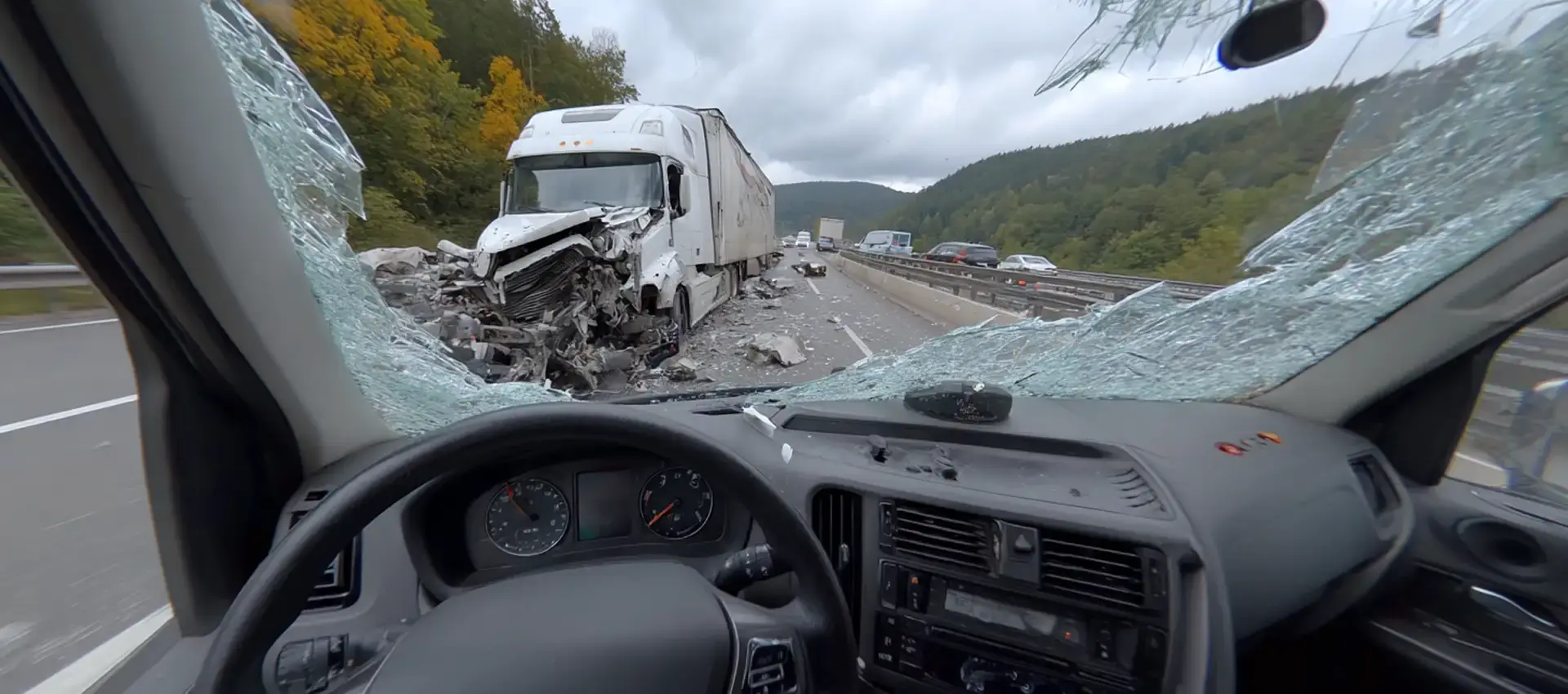
Accountability and exoneration create a two-pronged approach to protecting drivers and improving fleet safety. When there’s an incident or accident, the person driving the school bus or public vehicle will come under intense scrutiny, as will your fleet safety program.
Public fleets are increasingly a target for nuclear verdicts, which are jury awards far beyond the cost of the damage. Predatory litigation tactics from lawyers drive these verdicts, playing on jurors' emotions instead of the facts. Protecting your fleet means having facts and objective evidence in hand to repudiate their accusations.
Reliable fleet data speaks more clearly on their behalf than speculation or witness statements.
- Can you quickly access location, route and vehicle activity data?
- Can your dashcam and external camera footage verify driver actions and provide context?
- Can you provide clear, understandable documentation to support investigations and demonstrate your fleet’s accountability?
Modern fleet safety also includes being able to reconstruct what happened before, during and after the incident, using fleet data and dashcam footage. Answering “Yes” to all of the above indicates a fleet safety program that holds up to examination.
Part 5: Is your fleet's vehicle health connected to driver safety?
Short answer? Yes. Or at least it should be for a strong, complete fleet safety program.
Safe driving, which we’ve already touched on, is the first thing many fleet leaders think of when they think of fleet safety. But driver behavior and vehicle health are tightly connected. Even experienced drivers will have more trouble controlling a vehicle with unresolved maintenance issues or recurring mechanical defects like braking problems.
A strong fleet safety program connects vehicle health, inspections and driver performance in a well-rounded approach.
- Can you quickly identify vehicle faults and driver habits that increase risk?
- Are inspections verifiable, and is telematics data reliable to prove your vehicles are safe?
- Can drivers easily report defects and confirm that repairs are done before they drive the vehicle?
When there’s an incident, multiple pairs of eyes will want to know the vehicle’s safety history and the driver’s performance history. Your fleet management technology should provide a detailed digital trail that shows your fleet took every reasonable step to put safe drivers behind the wheel of safe vehicles.
Turn your fleet safety strategy into action with integrated technology.
A strong fleet safety program combines clear expectations, consistent inspections, actionable fleet data, driver coaching, and vehicle health monitoring. And creates a framework that reduces risk and improves accountability.
For student transportation and public sector fleets, the challenge is proving those systems work every day. When questions arise after an incident, fleet leaders need reliable data, documented processes and objective evidence that drivers and vehicles were operating safely.
That's where connected fleet technology makes a difference.
- Verify and document vehicle inspections electronically. Learn how Zonar EVIR® standardizes and digitizes the process to reduce human error.
- See vehicle activity, driver performance and operational trends in real time. Learn how Zonar telematics turns that data into a clear, usable picture of your fleet.
- Turn fleet data into coaching conversations that improve driver performance and reinforce safe behaviors. Learn how Zonar Coach™ makes that data actionable for every driver.
- Monitor vehicle health and make informed maintenance decisions from one connected view. Learn how Zonar Ignition™ brings critical vehicle data into a single source of truth for your fleet.
Together, these solutions help fleet leaders create safer operations, support drivers, improve accountability and build a fleet safety program that stands up to scrutiny when it matters most.
Contact us | Get pricing
Read also: Best practices for implementing fleet telematics