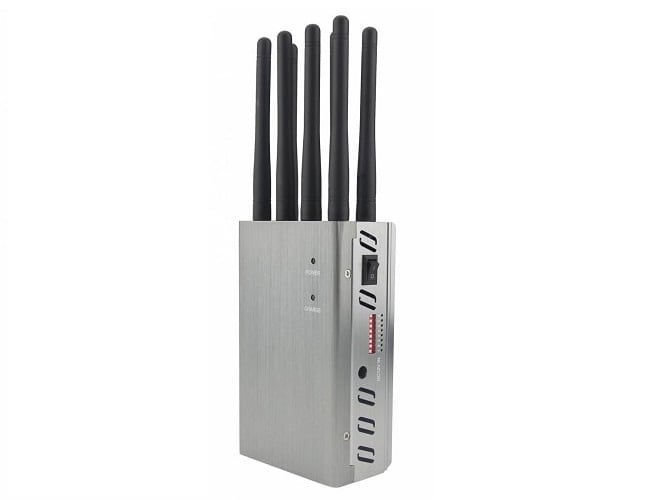
What Are GPS Jammers and Blockers?
GPS jammers and blockers are signal-interference devices designed to disrupt location tracking. For fleets that rely on GPS tracking, telematics, routing, driver visibility, asset tracking, and compliance workflows, signal interference can create serious operational and safety risks.
GPS jammers and similar signal-interference devices are illegal in the United States. Fleets should address suspected interference through clear policy, driver communication, coaching, documentation, and appropriate escalation.
How GPS Tracking Works
Fleet tracking systems use satellite positioning, cellular connectivity, and telematics hardware to help determine where vehicles and assets are located. This information can support route planning, dispatching, driver coaching, maintenance workflows, asset recovery, and customer communication.
When a tracking device receives location information, the fleet management platform can show vehicle position, route history, speed, movement, idle time, and other data points depending on the system configuration.
Signal interference creates operational risk
When a GPS signal is disrupted, fleet managers may lose visibility into vehicle location, route activity, or asset movement. That can make it harder to manage drivers, respond to incidents, verify service, or protect company equipment.
What Is a GPS Jammer?
A GPS jammer is a device that intentionally interferes with GPS or related communications signals. These devices can prevent tracking systems from receiving or reporting accurate location information.
For fleets, this kind of interference can create gaps in location history, missing route data, inaccurate reports, and alerts that a device has stopped reporting. Even short disruptions can make it harder to understand what happened during a trip or investigate unusual vehicle activity.
Because jammers interfere with authorized communications, they can also create broader public-safety concerns beyond one vehicle or fleet.
Are GPS Jammers Illegal?
Yes. GPS jammers and similar signal-jamming devices are illegal in the United States. Federal law prohibits the use, sale, marketing, and operation of devices that intentionally block, jam, or interfere with authorized radio communications.
Signal jamming can affect GPS, cellular, emergency communications, public-safety systems, and other critical services. Violations can lead to enforcement action, fines, equipment seizure, and other penalties.
Fleet teams should make sure drivers and employees understand that using a GPS jammer or blocker in a company vehicle is not acceptable and may create legal, safety, and employment consequences.
How GPS Interference Affects Fleet Operations
GPS interference can affect more than a dot on a map. Fleet teams rely on telematics data to manage daily operations, review driver activity, support safety programs, and protect valuable equipment.
When location or reporting data is disrupted, it can affect:
- Vehicle visibility: Managers may not be able to see where a vehicle is or where it has been.
- Route history: Missing location data can make it harder to confirm routes, stops, and arrival times.
- Asset security: Interference can complicate recovery efforts when a vehicle or asset is missing.
- Driver accountability: Gaps in reporting can make it harder to review vehicle use or investigate policy concerns.
- Customer service: ETA updates and service verification may be less reliable when tracking is interrupted.
- Compliance workflows: Missing or inconsistent records can create administrative issues, depending on the use case.
Signs of Possible GPS Interference
Not every tracking issue is caused by interference. Devices can stop reporting because of poor coverage, installation problems, power issues, hardware problems, environmental conditions, or platform configuration. Fleet teams should investigate carefully before assuming intentional interference.
Possible warning signs may include repeated reporting gaps, unexpected location loss, inconsistent route history, devices that stop reporting only during certain trips, or location data that disappears while other vehicle systems appear normal.
A consistent troubleshooting process can help teams separate normal technical issues from suspicious patterns.
How Fleets Should Respond to Suspected GPS Jamming
If a fleet suspects GPS interference, managers should document the issue, review device status, check installation and power connections, compare patterns across vehicles, and involve the appropriate internal teams or technology provider.
Fleet policies should clearly prohibit the use of signal-interference devices. Drivers should understand why GPS and telematics data are used, how they support safety and operations, and what happens if someone intentionally interferes with fleet technology.
If the issue appears intentional or creates a serious safety or security concern, fleets should follow internal escalation procedures and consult appropriate legal, compliance, or law-enforcement resources.
How Fleet Technology Can Help Manage Reporting Gaps
Fleet management systems can help teams identify unusual reporting patterns, device status changes, route gaps, and possible tampering or power-loss events. Alerts and reports can give managers a faster way to notice when a vehicle or asset is not reporting as expected.
Tools such as geofences, device health reports, stop-reporting alerts, route history, and asset tracking can help fleet managers review unusual activity and respond more quickly.
How Zonar Can Help
Zonar helps fleet teams bring vehicle, driver, asset, and operational data into clearer view. With fleet management, GPS tracking, reporting, alerts, geofencing, and asset visibility tools, Zonar can help organizations monitor vehicle activity, identify reporting gaps, and make more informed decisions across daily operations.
To learn how Zonar can support your fleet visibility and asset tracking goals, contact the Zonar team.