For fleet managers, compliance can create a significant administrative burden. Taxes, safety rules, inspection requirements, driver documentation, maintenance records, and reporting obligations can all require accurate, timely data.
Fleet management software can help by bringing vehicle, driver, route, and operational information into one system. With better visibility and reporting, fleet teams can reduce manual work, improve recordkeeping, and make it easier to support compliance-related workflows.
What Is Fleet Management Software?
Fleet management software helps organizations monitor and manage vehicles, drivers, assets, routes, maintenance activity, and operational performance. Systems such as Zonar can use vehicle and location data to help fleet teams understand where vehicles are, how they are being used, and where action may be needed.
Instead of relying only on manual logs, spreadsheets, or disconnected systems, fleet managers can use a centralized platform to review activity, generate reports, monitor exceptions, and make more informed decisions.
Why centralized fleet data matters
Compliance work often depends on accurate records. When vehicle activity, mileage, maintenance, inspections, and driver-related data are easier to access, teams can respond more quickly to audits, internal reviews, and reporting needs.
How Fleet Management Software Can Support Compliance
Fleet management software can support compliance by making key operational data easier to collect, organize, and report. For example, location history, mileage, route activity, vehicle utilization, inspection records, and maintenance data may all be useful when documenting fleet activity.
This can help reduce the need for manual recordkeeping and lower the risk of errors caused by missing paperwork, inconsistent logs, or delayed updates. Automated alerts can also help managers identify issues such as mileage thresholds, maintenance needs, inspection gaps, or unusual vehicle activity.
For fleets subject to highway-use taxes, mileage reporting, safety documentation, or other operating requirements, having reliable data in one place can make administrative work more manageable.
How Fleets Use Software for Compliance Workflows
Different fleets use compliance-related data in different ways. Field service teams may need accurate records of vehicle locations, job activity, inspections, and maintenance. Construction fleets may need to document equipment use and vehicle movement. Service fleets may need route and mileage information to support internal reporting or customer documentation.
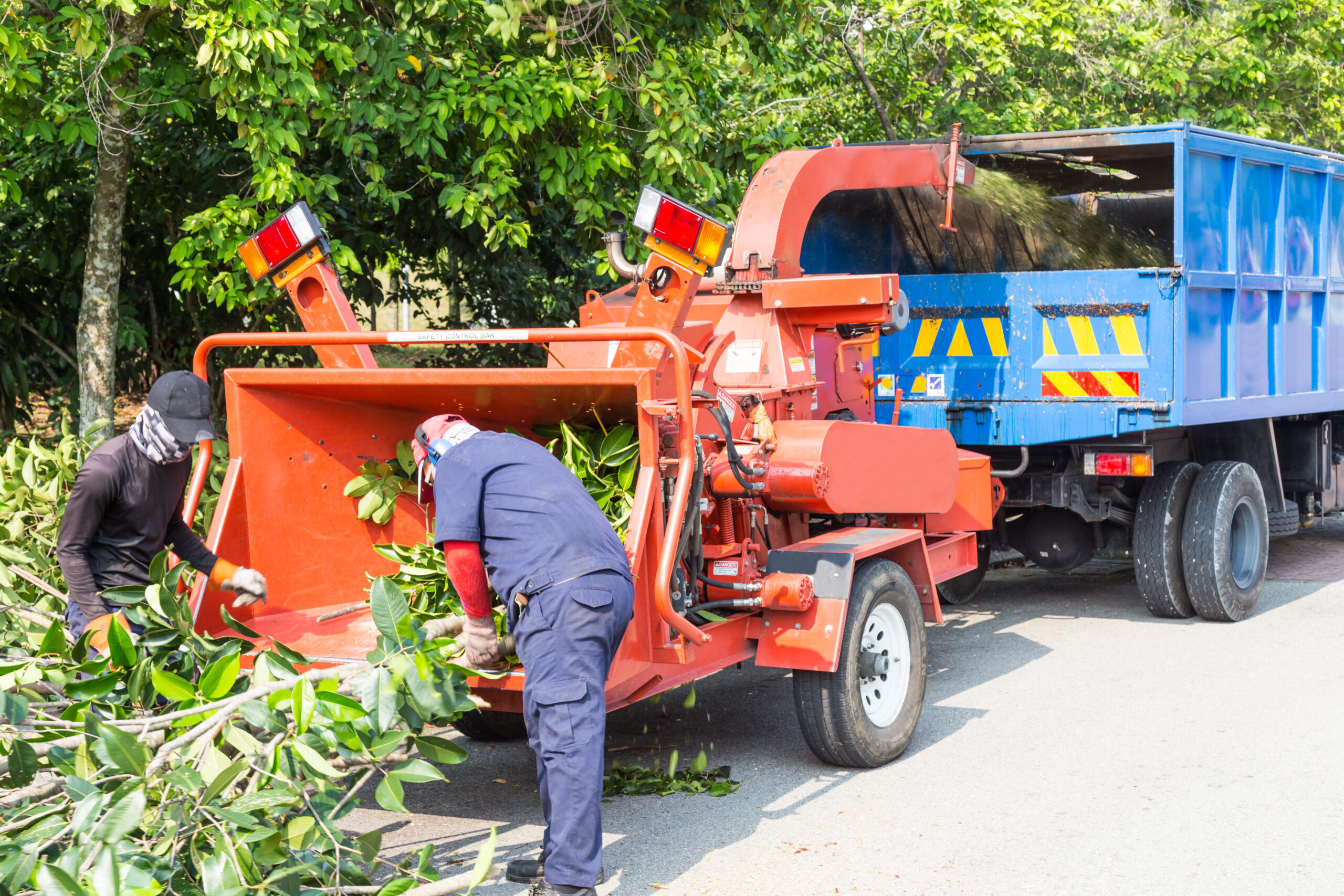
For example, RG Tree manages tree and limb removal around power lines, a type of work that can involve detailed safety procedures, documentation, and audit requirements. Fleet management software can help teams like this maintain clearer visibility into vehicle activity and reduce the amount of manual data entry needed to support reporting and review.
Reducing Administrative Burden
Compliance work is easier when fleet data is accurate, accessible, and organized. Software can help managers spend less time tracking down information and more time reviewing exceptions, improving processes, and supporting drivers and field teams.
Reports, alerts, dashboards, and historical records can also help teams identify trends before they become larger problems. For example, repeated maintenance delays, missing inspection activity, or unusual route patterns may point to workflows that need attention.
Compliance and Policy Considerations
Fleet management software can support compliance workflows, but it does not replace legal, tax, safety, or regulatory guidance. Requirements can vary by jurisdiction, fleet type, vehicle class, industry, and use case.
Before relying on any technology or policy change for compliance purposes, review current requirements and consult qualified counsel, tax advisors, safety professionals, or compliance resources as appropriate.
How Zonar Can Help
Zonar helps fleet teams bring vehicle, asset, driver, and operational data into clearer view. With better visibility into fleet activity, teams can improve reporting, reduce manual work, and make more informed decisions across safety, maintenance, compliance, and efficiency workflows.
To learn how Zonar can support your fleet management and compliance-related reporting needs, contact the Zonar team.