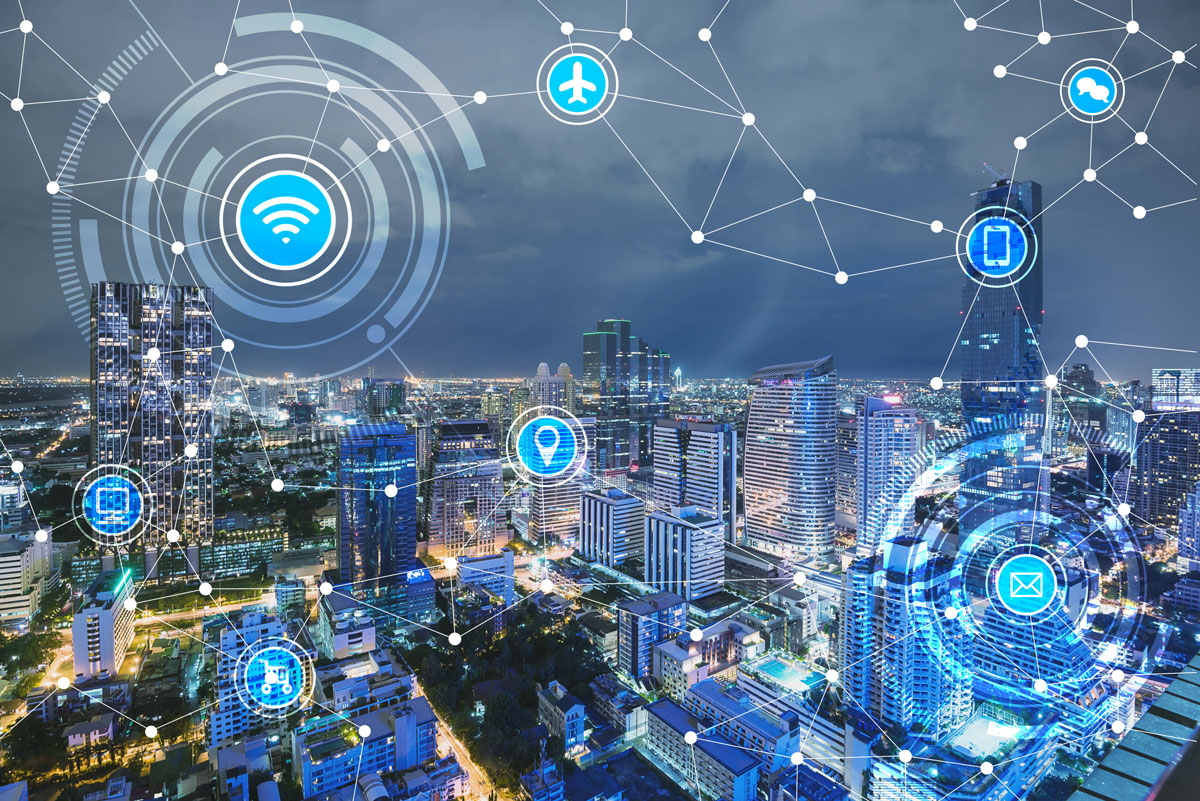
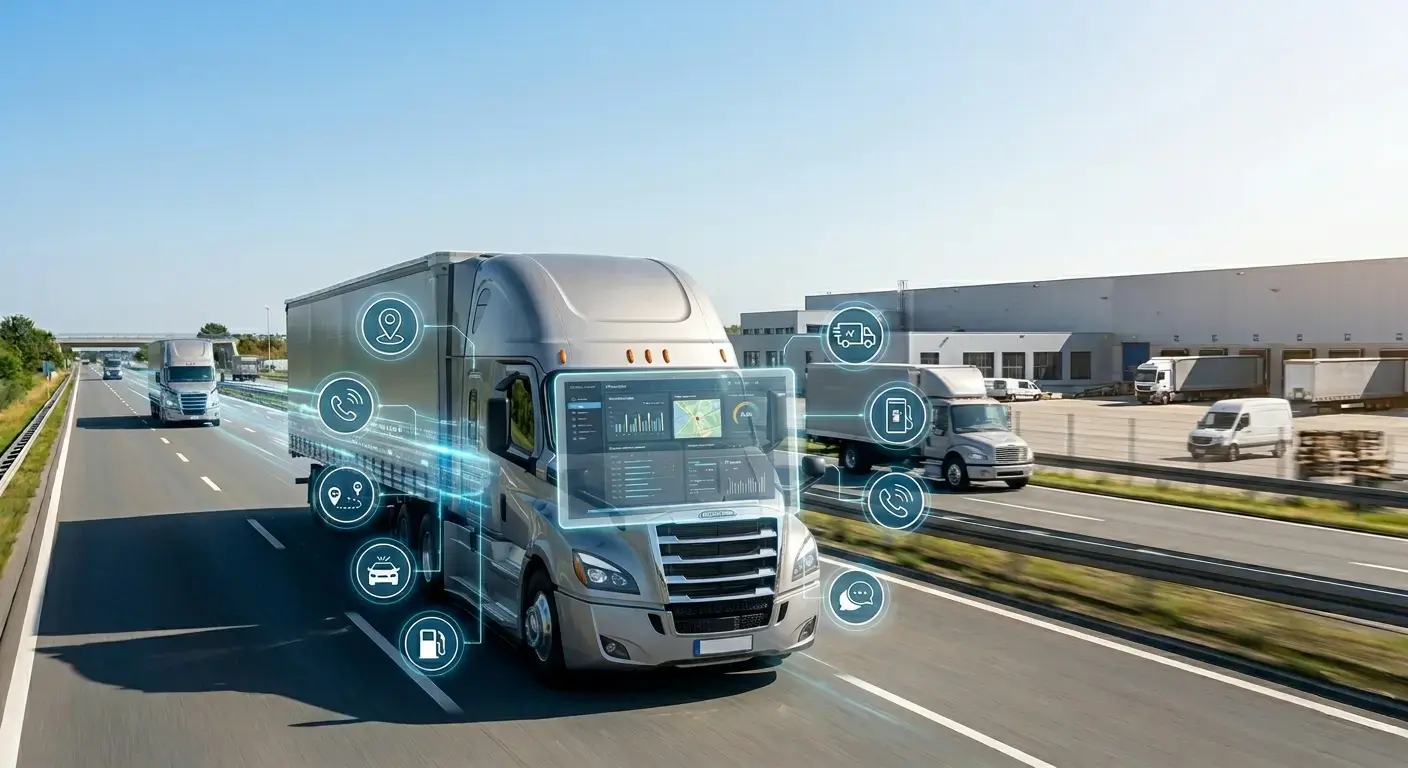
The Internet of Things, or IoT, refers to connected devices that collect, share, and act on data. In everyday life, that might include smart home devices, connected appliances, or wearable technology. In fleet operations, IoT can connect vehicles, equipment, sensors, drivers, and management platforms so teams can better understand what is happening across the fleet.
For fleet managers, IoT can support real-time visibility, vehicle monitoring, maintenance planning, driver coaching, and operational decision-making. Instead of relying only on manual updates or delayed reports, fleet teams can use connected data to respond more quickly and manage operations more efficiently.
What Is IoT Fleet Management?
IoT fleet management uses connected devices, sensors, telematics hardware, and software platforms to collect and organize fleet data. That data may include vehicle location, speed, mileage, fuel use, engine diagnostics, driver behavior, asset activity, and route history.
When this information is brought into a fleet management platform, managers can monitor vehicles, review trends, identify exceptions, and make more informed decisions about safety, maintenance, efficiency, and customer service.
Why connected fleet data matters
Fleet operations depend on many moving parts. Connected data can help managers see where vehicles are, how they are being used, and where action may be needed before small issues become larger operational problems.
1. Real-Time Tracking and Monitoring
IoT fleet management can help teams monitor vehicle location, movement, speed, utilization, and other important activity in near real time. This visibility can support dispatching, route planning, service updates, and exception management.
With better access to vehicle and route data, fleet teams can make decisions during the workday instead of waiting for end-of-week or end-of-month reports. For field service and delivery operations, that can help managers respond more quickly to customer needs, delays, or changing schedules.
2. Maintenance and Repairs
Connected fleet data can support more proactive maintenance planning. Vehicle diagnostics, mileage, engine alerts, inspection activity, and maintenance history can help managers identify when service may be needed and schedule work before a vehicle issue becomes more disruptive.
While no system can prevent every breakdown, better visibility can help reduce reliance on reactive maintenance. Fleet teams can use alerts and reports to prioritize repairs, monitor recurring issues, and improve uptime across vehicles and equipment.
3. More Efficient Operations
IoT fleet management can help teams identify opportunities to reduce waste and improve daily workflows. Data on route performance, idle time, fuel use, vehicle utilization, and driver behavior can show where time, mileage, or resources may be used inefficiently.
For example, better route visibility may help a fleet reduce unnecessary miles while serving the same customer base. Connected tools may also help teams monitor fuel use, tire pressure, asset utilization, and replacement planning, depending on the systems and data available.
4. Improved Safety and Compliance Workflows
Using IoT fleet management tools like Zonar, managers can review data related to driver behavior, vehicle activity, speed, acceleration, braking, and route history. These insights can support coaching, safety programs, and internal accountability.
Connected fleet data can also support compliance-related workflows by making records easier to access and organize. Depending on the fleet, that may include inspection activity, maintenance documentation, mileage reporting, route history, or other operational records. Requirements vary by jurisdiction and use case, so teams should confirm what records they need and how those records should be maintained.
5. Better Customer Communication
Fleet visibility can also improve customer communication. When teams know where vehicles are and how work is progressing, they can provide more accurate updates, respond faster to delays, and manage appointment windows more effectively.
For field service, delivery, and route-based businesses, this visibility can help reduce uncertainty for both customers and internal teams. Better information can support smoother scheduling, more accurate arrival estimates, and faster responses when plans change.
How Zonar Can Help
Zonar helps fleet teams bring vehicle, asset, driver, and operational data into clearer view. With connected fleet management tools, teams can improve visibility, support safer driving, manage maintenance needs, and make more informed decisions across efficiency, compliance, and customer service workflows.
To learn how Zonar can support your fleet management goals, contact the Zonar team.