Driver behavior monitoring helps fleet teams understand how vehicles are being operated and where coaching may be needed. Behaviors such as speeding, harsh braking, rapid acceleration, distracted driving, and excessive idling can affect safety, fuel use, vehicle wear, insurance conversations, and overall fleet performance.
For fleet managers, the value of driver behavior monitoring is not just identifying risky behavior. It is using data to coach drivers more effectively, recognize strong performance, and build safer, more efficient operations over time.
What Is Driver Behavior Monitoring?
Driver behavior monitoring uses telematics, vehicle data, GPS tracking, sensors, and, in some cases, video telematics to help fleet managers review how drivers operate vehicles during daily work.
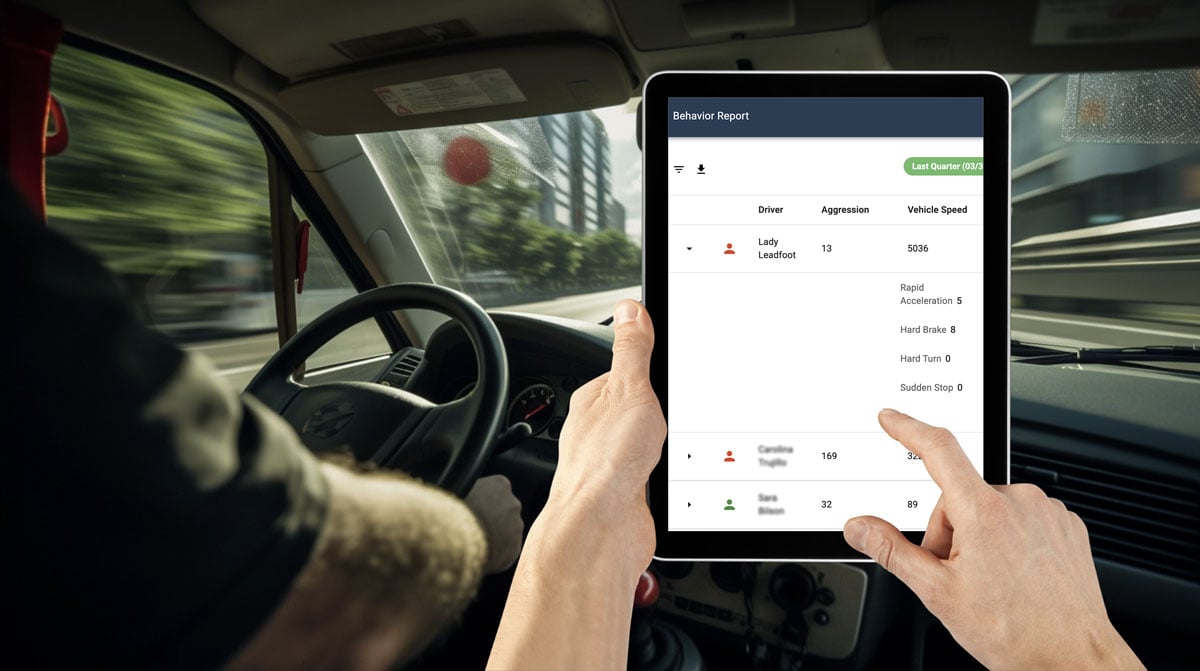
Common metrics include speed, braking, acceleration, cornering, idle time, route adherence, seat belt use, and other safety-related events. When those data points are organized in a fleet management platform, managers can identify patterns, review exceptions, and decide where follow-up or coaching may be useful.
Why driver behavior data matters
Driving habits can have a direct impact on safety, fuel consumption, maintenance costs, vehicle downtime, and customer service. Better visibility gives managers a practical way to address issues before they become larger operational problems.
How Driver Behavior Monitoring Works
Modern fleet management systems can collect driver and vehicle data from multiple sources, including GPS devices, telematics hardware, engine data, motion sensors, and video telematics systems. That information can then be used to generate alerts, reports, scorecards, and coaching insights.
Instead of relying only on complaints, incident reports, or after-the-fact reviews, fleet teams can use driver behavior data to spot recurring trends. For example, a driver who frequently brakes harshly or speeds on a certain route may need additional coaching, a route review, or clearer expectations.
Why Fleet Teams Use Driver Behavior Monitoring
Driver behavior monitoring can support several fleet priorities at once. It can help managers identify risky behavior, reduce unnecessary vehicle wear, improve fuel efficiency, and support more consistent coaching across the team.
For drivers, the system can also create clearer expectations. When performance standards are documented and applied consistently, drivers can better understand how they are being evaluated and what safe, efficient driving looks like in practice.
The Real-World Impact of Driver Behavior Monitoring
Fleet visibility can help organizations address issues that may otherwise go unnoticed. Paul Prewett from Carolina Closets described how monitoring driver behavior helped reinforce safer driving expectations across the company’s vehicles.
“My drivers aren’t driving too fast because they know we’re keeping track,” Prewett said. “That reduces the company's risk, leading to fewer accidents and better driver safety. The insurance company loves that we track speed and know where all our vehicles are, which saves us money on our rate.”
Scott Thompson from Thompson Trading also described how driver behavior monitoring helped his team identify and correct workday activity that was not aligned with company expectations.
“We found that our staff was engaging in activities they shouldn’t have been while at work. Within the first week of implementing driver behavior monitoring, we were extremely happy because we cut all of that out,” Thompson said.
Building a Culture of Safety and Accountability
Driver behavior monitoring works best when it is part of a broader safety and coaching program. The goal should not be to surprise drivers with data after something goes wrong. Instead, fleet teams should communicate what is being monitored, why it matters, and how the information will be used.
Clear policies, fair scorecards, regular coaching, and recognition for strong performance can help make driver behavior monitoring a positive part of fleet operations. When drivers understand the connection between safer habits, lower risk, and better operating outcomes, the program is more likely to succeed.
Using Video Telematics for Driver Behavior Monitoring
Video telematics can add visual context to driver behavior monitoring. Instead of reviewing a data point in isolation, managers can see what happened around a safety event and better understand whether a driver was responding to a hazard, distracted, or engaging in risky behavior.
Depending on the configuration, video telematics systems may support alerts, in-cab coaching, event review, and driver safety assistance features.
- Dash cam alerts: Alerts can help managers identify behaviors such as speeding, harsh braking, or other events that may require review.
- In-cab coaching: Audible reminders can help drivers correct certain behaviors in the moment, depending on the system and event type.
- Driver Safety Assistance: Driver assistance features may help warn drivers about certain risky behaviors before an event escalates.
When used thoughtfully, video telematics can support fairer coaching, better incident review, and stronger safety programs.
How Zonar Can Help
Zonar helps fleet teams bring vehicle, driver, asset, and operational data into clearer view. With fleet management and video telematics solutions, teams can monitor driver behavior, support coaching, improve safety visibility, and make more informed decisions across daily operations.
To learn how Zonar can support your driver behavior monitoring and fleet safety goals, contact the Zonar team.