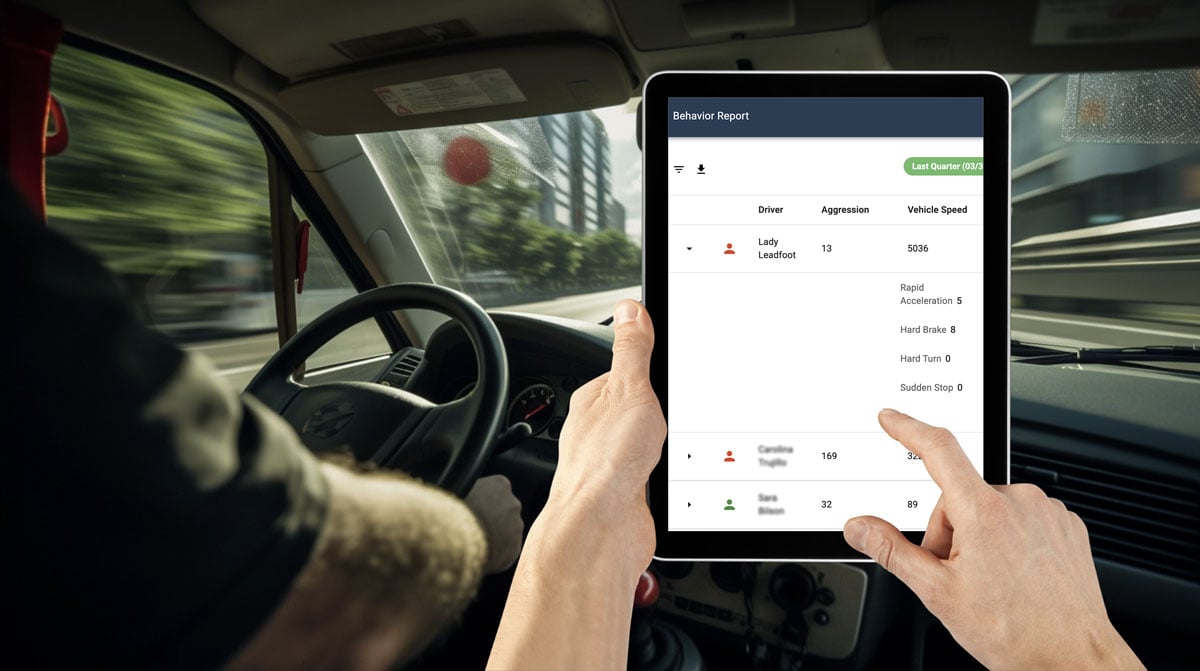
Fleet managers face constant pressure to control costs, improve safety, reduce downtime, and keep vehicles productive. Driver behavior analytics can help by turning vehicle and driver data into useful insights about how vehicles are being operated day to day.
By monitoring behaviors such as speeding, harsh braking, rapid acceleration, excessive idling, and route deviations, fleet teams can identify patterns that affect fuel use, maintenance needs, safety risk, and overall vehicle performance.
What Is Driver Behavior Analytics?
Driver behavior analytics uses telematics data to help fleet managers understand how driving habits affect fleet operations. Instead of reviewing only location or mileage, teams can analyze the behaviors behind vehicle wear, fuel use, safety events, and performance trends.
This information can support coaching, maintenance planning, route review, safety programs, and cost-control efforts. The goal is not simply to monitor drivers, but to give managers better context for improving fleet performance.
Why driver behavior matters
How a vehicle is driven can affect fuel consumption, brake wear, tire life, maintenance needs, and safety outcomes. Even small improvements in driving habits can become meaningful when applied across an entire fleet.
Support Proactive Maintenance
Routine maintenance such as oil changes, tire rotations, inspections, and brake checks is still essential. Driver behavior analytics can add another layer of visibility by helping managers see which vehicles may be experiencing more stress based on how they are being operated.
Patterns such as harsh braking, rapid acceleration, aggressive cornering, excessive idling, or speeding can contribute to additional wear over time. When managers can identify those patterns, they can coach drivers, adjust policies, and monitor whether changes are improving vehicle performance.
Driver behavior data does not replace maintenance inspections or manufacturer guidance, but it can help teams make more informed decisions about which vehicles may need attention sooner.
Improve Vehicle Tracking and Utilization
Vehicle tracking can do more than show where vehicles are on a map. When combined with driver behavior analytics, tracking data can help managers understand route efficiency, vehicle utilization, mileage distribution, and whether vehicles are being used as intended.
This visibility can help teams balance workloads across vehicles, reduce unnecessary miles, and identify routes or assignments that may be creating avoidable wear. Over time, better utilization can support longer vehicle life and more predictable maintenance planning.
Strengthen Driver Coaching
Drivers play a major role in fleet safety and vehicle health. Behaviors such as harsh braking, speeding, rapid acceleration, excessive idling, and distracted driving can increase risk and add unnecessary operating costs.
Driver behavior analytics gives managers specific data they can use in coaching conversations. Instead of relying on general reminders, managers can show drivers where improvement is needed and track progress over time.
Coaching programs work best when they are consistent, fair, and tied to clear expectations. Driver scorecards, trend reports, and safety reviews can help teams recognize strong performance as well as address risky patterns.
Reduce Fuel Waste and Operating Costs
Driving behavior can have a direct impact on fuel use. Speeding, idling, aggressive acceleration, and harsh braking can all contribute to higher fuel consumption. By identifying these patterns, fleet teams can create targeted coaching and policies to reduce avoidable waste.
Actual savings will vary by fleet, vehicle type, route structure, fuel prices, driver behavior, and how consistently the program is managed. Still, driver behavior analytics can give fleet managers a practical way to find cost-control opportunities that may otherwise go unnoticed.
How Zonar Can Help
Zonar helps fleet teams bring vehicle, driver, asset, and operational data into clearer view. With better visibility into driver behavior, vehicle activity, and performance trends, fleet leaders can support safer driving, reduce unnecessary wear, improve maintenance planning, and make more informed decisions across daily operations.
To learn how Zonar can support your driver behavior analytics and fleet management goals, contact the Zonar team.