Why Take-Home Vehicle Policies Matter
Giving an employee a company vehicle can be necessary for the job, a meaningful perk, or both. Either way, take-home vehicles create operational, safety, maintenance, insurance, tax, and accountability questions that should be addressed before a vehicle leaves the lot.
A clear take-home vehicle policy helps employees understand when the vehicle can be used, who may drive it, how fuel and maintenance are handled, what happens after an accident or violation, and what security precautions are expected.
What Is a Take-Home Vehicle Policy?
A take-home vehicle policy is a written set of rules for employees who are allowed to keep a company vehicle outside of normal working hours. The policy should explain how the vehicle may be used, what the employee is responsible for, and how the company will monitor, maintain, and protect the vehicle.
Take-home policies are especially important for service fleets, utility teams, construction businesses, public agencies, emergency response teams, sales teams, and field employees who start or end their workday away from a central office or yard.
Take-home vehicles need clear rules
Without a written policy, employees may make different assumptions about personal use, fuel, passengers, parking, after-hours driving, and maintenance. A clear policy reduces ambiguity and makes enforcement more consistent.
Why Businesses Allow Employees to Take Vehicles Home
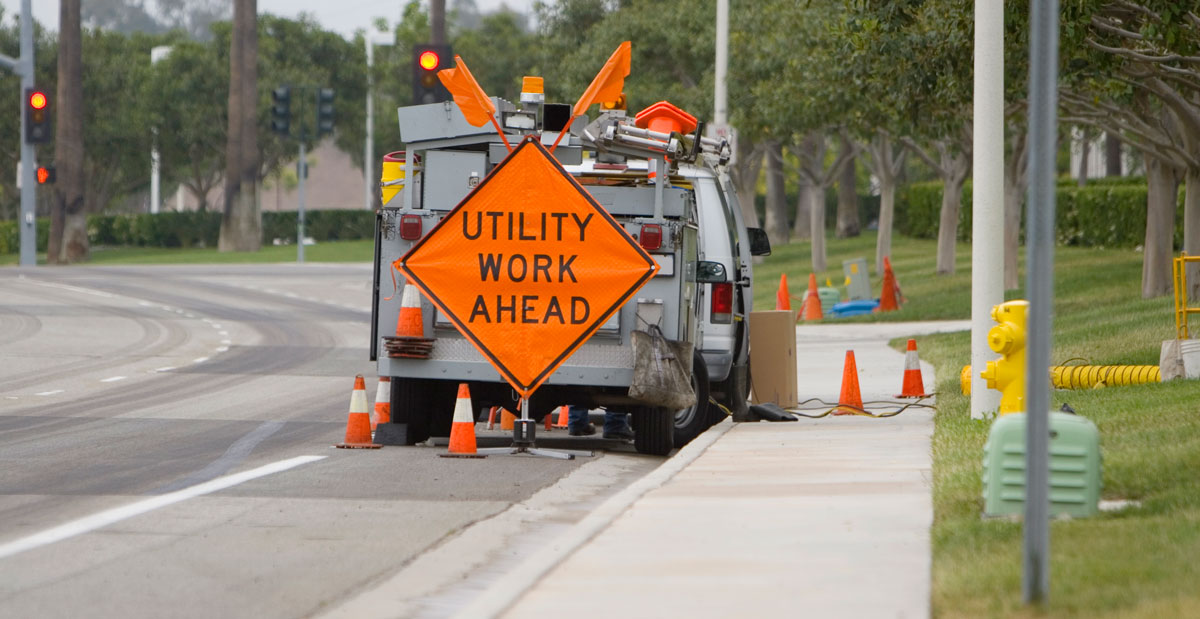
Businesses may allow take-home vehicles for several practical reasons. A technician may need to drive directly to the first job of the day. A supervisor may need to respond to emergency calls after hours. A public works or utility employee may need a vehicle ready during weather events or outages.
Take-home vehicles can also reduce travel time, improve response readiness, and make the workday more efficient for field-based employees. However, those benefits should be balanced against the added risks and costs of keeping company vehicles away from the main facility.
Risks of Take-Home Company Vehicles
Take-home vehicles can create problems when expectations are unclear. Businesses may face questions about personal use, unauthorized drivers, fuel purchases, accidents outside business hours, vehicle theft, missed maintenance, or excessive mileage.
Common risks include:
- Unauthorized personal use.
- Unapproved passengers or drivers.
- Higher fuel and maintenance costs.
- Vehicle damage that is not reported promptly.
- Missed inspections or service intervals.
- Unclear responsibility after accidents or violations.
- Theft, vandalism, or unsecured tools and equipment.
- Employee privacy concerns related to GPS tracking.
A written policy gives managers and employees a shared standard before these issues occur.
Five Ways to Manage Take-Home Vehicles
1. Set Clear and Consistent Rules
Document permitted use, personal-use limits, approved drivers, expense rules, accident reporting, maintenance expectations, and consequences for policy violations. Review the policy with employees during onboarding and at least annually so expectations stay current.
The policy should also define whether family members or other non-employees may ever ride in or drive the vehicle. In many cases, companies limit driving to authorized employees only.
2. Check In Regularly
Use routine check-ins to confirm the vehicle is being maintained, cleaned, secured, and used according to policy. Regular reviews also give employees a simple way to raise service issues before they become bigger problems.
Fleet managers may choose to review vehicle condition, mileage, fuel use, service records, inspection forms, and any open maintenance items during these check-ins.
3. Reinforce Safe Driving
Employees who take vehicles home should understand that safe driving still matters outside of normal business hours. Driver coaching, periodic safety refreshers, and clear incident-reporting rules can help reduce risk.
Fleet managers should make expectations clear around speeding, distracted driving, seat belt use, impaired driving, aggressive driving, and use of company vehicles outside approved purposes.
4. Keep Maintenance Visible
Take-home vehicles can be harder to inspect because they are not always parked at the same location. Maintenance reminders, mileage visibility, inspection records, and service documentation help fleet managers keep vehicles road-ready.
Employees should know when and how to report warning lights, tire issues, damage, fluid leaks, unusual sounds, or other maintenance concerns. A small issue that goes unreported can become a costly repair or vehicle downtime later.
5. Track Vehicles Responsibly
GPS tracking can help businesses understand where vehicles are, verify use, respond to theft, support maintenance planning, and improve accountability. However, tracking practices should be explained clearly in the vehicle policy so employees know what is monitored and why.
Companies should define whether tracking applies after hours, who can access location data, how long records are retained, and how GPS data may be used for dispatch, safety, maintenance, investigation, or policy enforcement. Privacy, labor, and employee-notice requirements can vary, so businesses should review applicable requirements before deploying or expanding tracking.
What to Include in a Take-Home Vehicle Policy
A strong take-home vehicle policy should be specific enough to answer common questions before they become disputes. Depending on the business, it may include:
- Eligibility: Which roles or employees may take vehicles home.
- Approved use: When the vehicle may be used for business and whether personal use is allowed.
- Unauthorized use: Activities, drivers, passengers, or locations that are not permitted.
- Fuel and expenses: How fuel cards, receipts, tolls, parking, and reimbursements are handled.
- Maintenance: Employee responsibilities for inspections, service reminders, and reporting issues.
- Accidents and violations: What employees must do after a crash, ticket, citation, or damage event.
- Security: Expectations for locking the vehicle, securing tools, and parking in safe locations.
- GPS tracking: What data is collected, who can access it, and how it may be used.
- Return of vehicle: What happens when employment ends or the employee changes roles.
Insurance, Tax, and Compliance Considerations
Take-home vehicles can create insurance, tax, wage-and-hour, and compliance questions. Personal use of a company vehicle may need to be tracked or reported differently from business use. Accidents that occur outside normal business hours may also raise policy and insurance questions.
Requirements can vary by jurisdiction, company structure, employee role, and vehicle use. Businesses should review take-home vehicle policies with qualified legal, tax, insurance, and HR resources before finalizing rules.
How GPS Visibility Supports Accountability
Fleet visibility is not just about knowing where a vehicle is. It helps managers make better decisions about utilization, routing, maintenance, after-hours use, and driver safety. For take-home vehicles, that visibility can reduce ambiguity and make policy enforcement more consistent.
GPS tracking and fleet management tools can help managers review:
- Vehicle location and route history.
- After-hours movement.
- Unauthorized or unexpected vehicle use.
- Mileage and utilization.
- Idle time and fuel-related behavior.
- Maintenance intervals and service needs.
- Driver behavior events such as speeding or harsh braking.
This information can support coaching, dispatching, maintenance planning, and policy review when used responsibly and consistently.
Balancing Trust and Oversight
A take-home vehicle policy should not feel like a surprise to employees. Managers should explain why the company uses GPS tracking, how the data supports operations, and how employees can raise questions about vehicle use, maintenance, or reporting.
Clear communication helps reduce misunderstandings. Employees should understand that fleet visibility is intended to protect the business, the driver, the vehicle, and the customer experience.
How Zonar Can Help
Zonar helps businesses bring vehicle, driver, asset, and operational data into clearer view. With fleet management, GPS tracking, driver behavior reporting, maintenance tools, geofencing, alerts, and route history, Zonar can help organizations manage take-home vehicles with better visibility and accountability.
Before deploying or updating a take-home vehicle policy, businesses should review applicable laws, insurance requirements, tax rules, labor agreements, privacy expectations, and internal HR procedures.
To learn how Zonar can support your take-home vehicle policy and fleet visibility goals, contact the Zonar team.