GPS Trackers for Portable Traffic Safety Signs
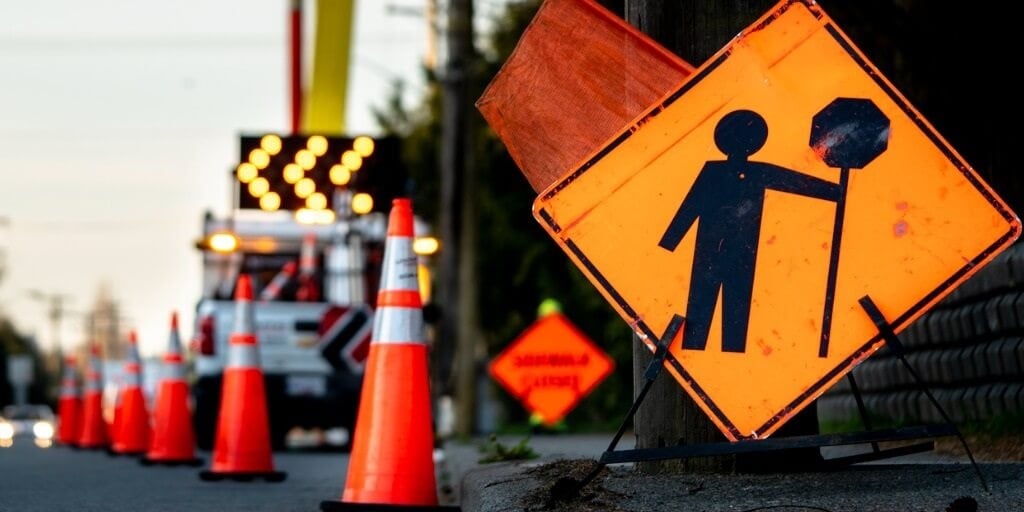
Portable traffic safety signs, message boards, arrow boards, radar signs, and other roadside equipment are essential for work zones, lane closures, detours, utility work, and emergency traffic control. These assets are often moved between job sites, rented to contractors, or staged along roads where they can be difficult to monitor manually.
GPS tracking can help traffic safety companies, municipalities, contractors, and fleet managers keep better visibility into where portable signs and other mobile assets are located. For organizations that manage large inventories of roadside equipment, that visibility can reduce time spent searching for assets and support better field operations.
Why Portable Traffic Safety Signs Need Tracking
Portable traffic control equipment may be deployed across many locations at once. A sign may be dropped off for a lane closure, moved by a crew, relocated by a contractor, or left in place after a project ends. Without a tracking system, teams may rely on whiteboards, spreadsheets, phone calls, or field memory to find assets.
That can create problems when a crew needs to retrieve equipment quickly, confirm a sign’s location, or identify which assets are available for the next job. GPS tracking gives teams a more reliable way to locate equipment in the field.
Protecting roadside equipment and mobile assets
GPS tracking can help teams monitor valuable roadside equipment, improve dispatching, support recovery workflows, and reduce the time crews spend searching for signs, trailers, message boards, and other assets.
How Much Do Traffic Control Devices Cost?
Traffic control devices vary widely in cost, size, and complexity. Simple placards and static signs may be relatively inexpensive, while solar-powered message boards, portable traffic lights, radar signs, and connected equipment can represent a much larger investment.
Costs may depend on factors such as power source, durability, display type, remote access, portability, connectivity, and repair requirements. For companies that rent or manage this equipment, even a few misplaced or stolen assets can create operational and financial strain.
Because these assets may be deployed in public locations, left unattended for long periods, or moved between multiple job sites, tracking can be a practical way to protect inventory and maintain better visibility.
Do Road Signs Use GPS Trackers?
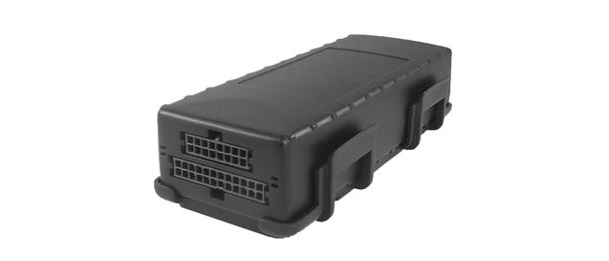
Many traffic safety companies and field service teams use GPS trackers on portable traffic signs and related roadside equipment. The tracker can help managers see where each asset is located, whether it has moved, and when a crew may need to retrieve or service it.
Mike Davis, Asset and Purchasing Manager at Stay Alert Safety Services, described how his team previously tracked equipment using a manual system with magnets and a whiteboard. As the company’s inventory grew, that approach became harder to manage.
“At the time, we were tracking all of our equipment with magnets,” Davis said. “A job was written on a white board and a magnet was made with the asset number.”
As Stay Alert’s equipment inventory expanded, the company began looking for a better way to protect and manage its assets. GPS tracking gave the team a clearer way to locate equipment and support field crews.
What Are the Advantages of GPS Tracking for Roadside Assets?
GPS tracking can help teams reduce the time and effort required to find equipment. Instead of sending crews to search along a road or rely on the last known location from a contractor, managers can review the asset’s location in the tracking platform.
Davis explained that the old manual process sometimes made it difficult to locate equipment quickly. With GPS tracking, crews can see where an asset is and navigate to it more directly.
“Now, they can call us or look on their app to see just where it is,” Davis said. “Then they push ‘shortest distance’ or ‘drive to’ and it will guide them right to it.”
For traffic safety companies, this can support faster retrieval, better scheduling, more accurate inventory management, and less wasted time in the field.
Can Stolen Traffic Signs Be Tracked?
GPS tracking can also support recovery when a portable sign, trailer, truck, or other asset goes missing. While tracking does not prevent every theft or guarantee recovery, it can provide useful location information that helps teams respond more quickly.
Stay Alert has used GPS tracking to help recover missing equipment, including stolen vehicles and trailers. Davis described how location visibility helped the team find assets and coordinate with law enforcement when needed.
When recovery is necessary, companies should follow internal procedures and involve law enforcement where appropriate. Fleet teams should avoid sending employees into unsafe situations to retrieve stolen property without proper support.
How GPS Tracking Supports Traffic Safety Operations
For organizations that manage portable traffic control equipment, GPS tracking can support more than theft recovery. It can help teams understand where assets are deployed, which equipment is available, and how field operations are progressing.
Common use cases include:
- Asset location: See where portable signs, message boards, trailers, and other equipment are located.
- Retrieval planning: Help crews find and pick up equipment more efficiently after a project ends.
- Inventory visibility: Understand which assets are deployed, stored, or ready for the next job.
- Movement alerts: Identify when equipment moves unexpectedly or leaves an assigned area.
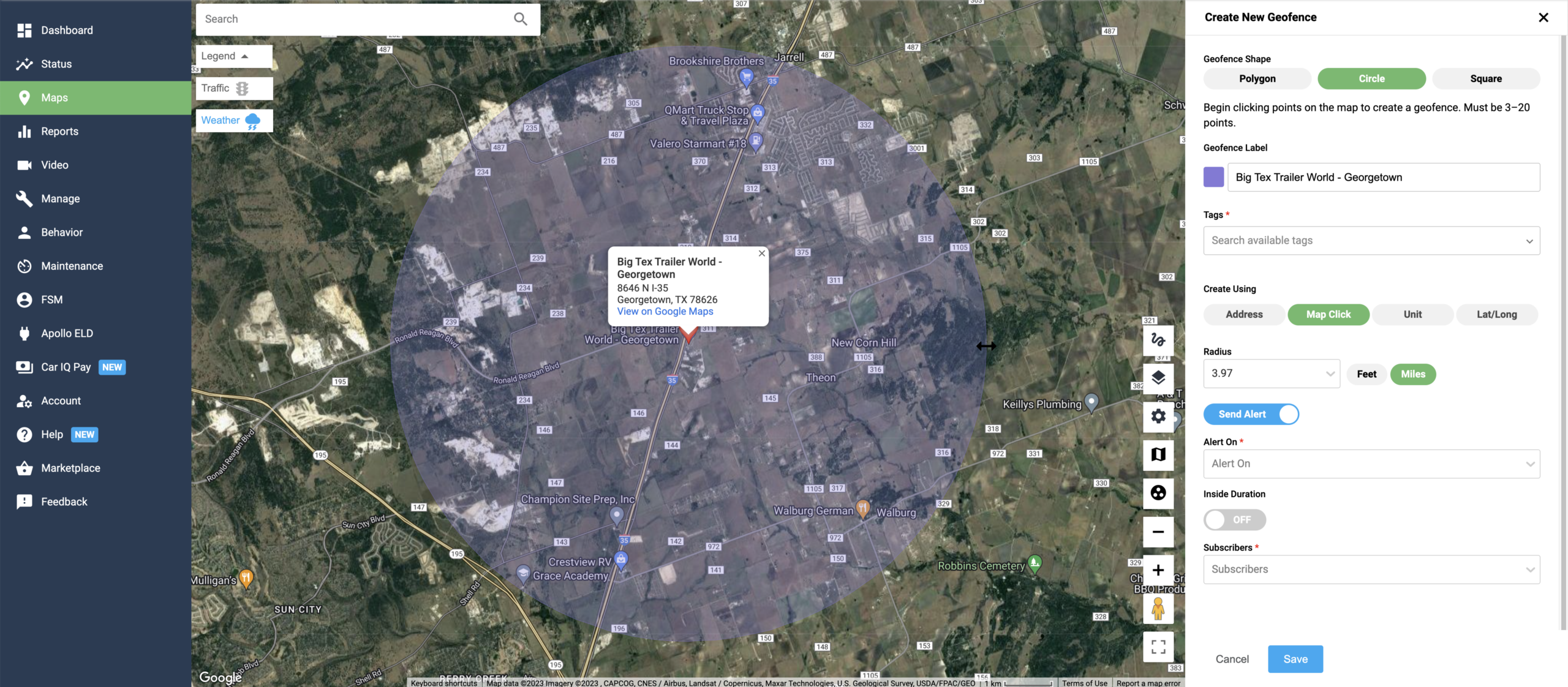
- Geofencing: Create virtual boundaries around job sites, yards, or restricted areas.
- Maintenance support: Track equipment status, usage, and service needs where applicable.
Choosing GPS Tracking for Portable Signs and Equipment
Before selecting a tracking solution, teams should review the type of equipment they need to monitor and how that equipment is used. A solar-powered message board, a trailer-mounted sign, and a smaller portable asset may each require a different tracking setup.
Important considerations include battery life, power source, mounting location, weather resistance, reporting frequency, cellular coverage, alert needs, platform usability, and whether the tracker can withstand field conditions.
How Zonar Can Help
Zonar helps fleet and field service teams bring vehicle, asset, driver, and operational data into clearer view. With fleet management, GPS tracking, asset visibility, geofencing, alerts, and reporting tools, Zonar can help organizations monitor mobile assets, support field crews, and make more informed decisions across daily operations.
To learn how Zonar can support your asset tracking and fleet visibility goals, contact the Zonar team.