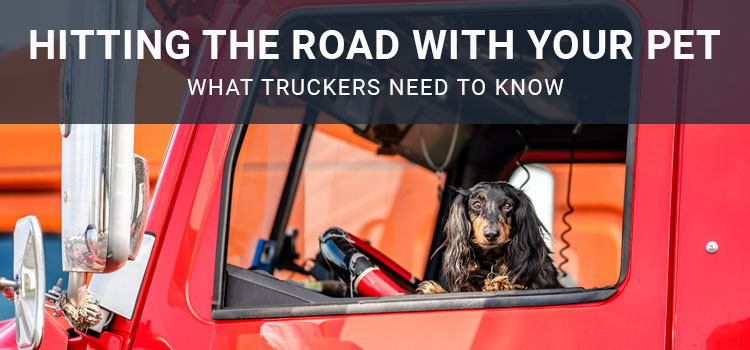
Tips for Truck Drivers Traveling With Pets
Life on the road can be isolating, and many professional drivers enjoy the companionship of a pet during long hauls. Dogs are the most common road companions, but some drivers travel with cats or other animals depending on company policy, vehicle setup, route type, and the pet’s temperament.
Bringing a pet on the road takes more planning than a typical trip. Drivers need to think about safety, comfort, supplies, temperature, company rules, rest stops, and what to do if a pet becomes sick or stressed while away from home.
Start With Your Company’s Pet Policy
Before bringing any animal into a commercial vehicle, review your company’s pet policy. Not every carrier allows pets, and those that do may have specific rules about animal type, size, documentation, deposits, cleaning expectations, and where the pet is allowed inside the vehicle.
Company policies may also address:
- Whether pets are allowed in company-owned trucks.
- Breed, size, or species restrictions.
- Vaccination and health record requirements.
- Cleaning or damage fees.
- Where pets may ride inside the cab.
- What happens if a customer site, terminal, or facility does not allow animals.
- Driver responsibility for pet behavior, safety, and sanitation.
If you are an owner-operator, you may have more flexibility, but you still need to consider customer site rules, state and local requirements, property restrictions, and safe driving practices.
Make Sure Your Pet Is Ready for the Road
Not every pet is suited for life in a truck. Some animals handle travel well, while others become anxious, carsick, territorial, or stressed by constant motion, new smells, and changing environments.
Before a long trip, consider taking shorter practice drives to see how your pet reacts. Watch for signs of stress such as panting, shaking, hiding, excessive vocalizing, vomiting, refusing food, or restlessness.
Talk with a veterinarian before long-haul travel
A veterinarian can help you decide whether your pet is healthy enough for extended travel. This is especially important for older animals, pets with chronic conditions, brachycephalic breeds, animals with anxiety, or pets that have never traveled for long periods.
Drivers should keep copies of vaccination records, medication instructions, microchip information, and emergency veterinary contacts in the truck.
Pack the Right Pet Supplies
Pet supplies should be packed before the trip, not improvised on the road. Access to stores, veterinary care, pet-friendly stops, and safe walking areas can vary widely depending on the route.
Helpful supplies include:
- Food and water.
- Food and water bowls.
- Leash, harness, or carrier.
- Pet bed or blanket.
- Waste bags or litter supplies.
- Medications and health records.
- Favorite toys or comfort items.
- Pet-safe cleaning supplies.
- Grooming items.
- Updated ID tag and microchip information.
- Portable fan or temperature-monitoring tools, when appropriate.
Drivers should also plan for delays. Traffic, weather, detention time, road closures, and schedule changes can all extend the trip, so bring more food, water, and medication than the minimum needed.
Prepare the Truck for Pet Safety
A pet should not interfere with driving, pedals, steering, mirrors, visibility, or driver attention. Even a well-trained animal can become a distraction if it moves freely around the cab at the wrong time.
Depending on the pet and vehicle setup, drivers may use a secured crate, carrier, harness, barrier, or designated resting area. The goal is to keep the pet comfortable while preventing unsafe movement inside the cab.
Truck preparation may include:
- Creating a secure place for the pet to ride.
- Keeping supplies organized and out of the driver’s footwell.
- Removing loose objects that could become hazards.
- Protecting upholstery and bedding.
- Planning safe entry and exit from the cab.
- Keeping water available during breaks.
- Maintaining proper cab temperature.
Plan Stops Around Your Pet’s Needs
Pets need regular breaks for water, bathroom needs, stretching, and stress relief. Routes should be planned with safe stopping locations in mind, especially on long drives or in hot, cold, or remote areas.
Look for pet-friendly truck stops, rest areas, travel plazas, or safe walking areas along the route. Before relying on a stop, check whether it has enough space, lighting, safe walking paths, and pet-friendly facilities.
Drivers should avoid letting pets roam freely near traffic, loading areas, fuel islands, or unfamiliar animals. Keep pets leashed or contained whenever they are outside the cab.
Watch Temperature and Weather Conditions
Temperature is one of the biggest safety concerns when traveling with pets. A cab can become too hot or too cold depending on weather, vehicle status, parking conditions, and how long the pet is left inside.
Drivers should avoid leaving pets unattended in unsafe conditions. If a stop requires the driver to enter a facility where pets are not allowed, plan ahead so the animal remains safe, supervised, and comfortable.
Weather can also affect walking conditions. Hot pavement, ice, snow, heavy rain, and high winds can create problems for animals that are not used to those environments.
Understand the Benefits and Responsibilities
A pet can provide companionship, routine, and a reason to take healthy breaks during long days on the road. For many drivers, that companionship can make time away from home feel less lonely.
However, bringing a pet also adds responsibility. Drivers need to manage feeding, exercise, hygiene, safety, medical needs, facility rules, and schedule disruptions. A pet should never create unsafe driving conditions or interfere with work responsibilities.
Use Fleet Habits for Safer Personal Travel
Good fleet habits can also help drivers travel more safely with pets. Planning routes, allowing time for breaks, monitoring weather, checking vehicle condition, and avoiding last-minute decisions all become more important when an animal is along for the ride.
Professional drivers already understand the importance of preparation. Applying that same mindset to pet travel can help make the trip safer and more comfortable for both the driver and the animal.
Pet Travel Checklist for Truck Drivers
Before leaving with a pet, review a simple checklist:
- Confirm the company pet policy.
- Schedule a veterinary checkup if needed.
- Pack food, water, medication, and records.
- Secure the pet’s riding area.
- Update ID tags and microchip information.
- Plan pet-friendly stops along the route.
- Prepare for traffic, weather, and delays.
- Keep cleaning supplies in the vehicle.
- Monitor temperature inside the cab.
- Know where to find emergency veterinary care along the route.
How Zonar Can Help Fleets Support Safer Operations
Zonar helps fleet teams bring vehicle, driver, asset, and operational data into clearer view. With fleet management, GPS tracking, route visibility, reporting, maintenance tools, alerts, and connected fleet insights, Zonar can help organizations support more informed decisions across daily operations.
For fleets with long-haul drivers, clear policies, reliable communication, maintenance visibility, and route awareness can all support safer and more predictable operations.
To learn how Zonar can support your fleet visibility and operational goals, contact the Zonar team.