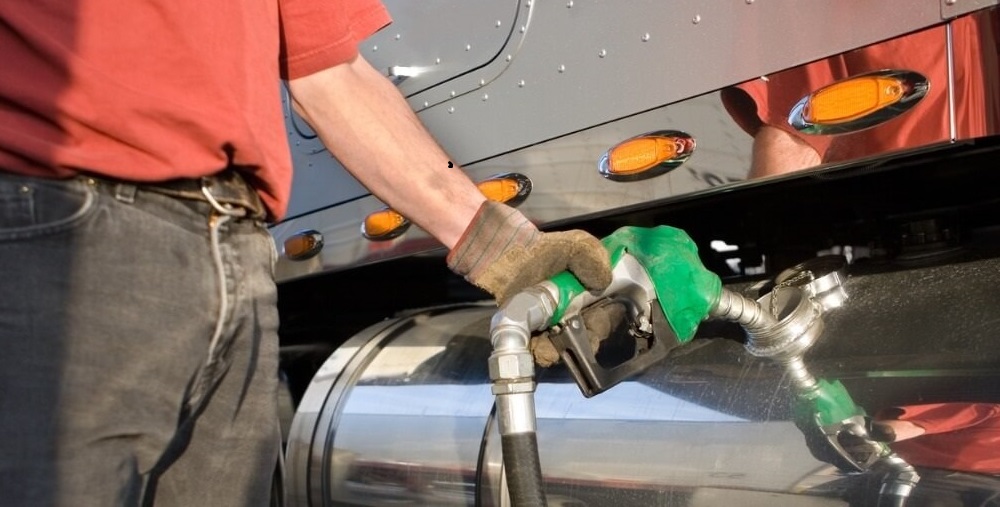
Reducing fuel waste is a common goal for fleet managers, and engine idling is one of the clearest places to look. Across vehicle types, unnecessary idling can increase fuel use, add engine hours, contribute to wear, and make operating costs harder to control.
Idling is not always avoidable. Drivers may need to idle for safety, weather, power take-off equipment, sleeper-cab comfort, or job-site requirements. But when idling is excessive or unmanaged, it can become a hidden cost across the fleet.
Why Idling Costs Fleets Money
The U.S. Department of Energy has estimated that idling from heavy-duty and light-duty vehicles wastes billions of gallons of fuel each year. For individual fleets, the impact depends on vehicle type, fuel type, engine size, operating conditions, driver behavior, and how often vehicles idle unnecessarily.
Idle time can also affect maintenance planning. Even when a vehicle is not moving, the engine is still running. That means excessive idling can add engine hours, increase fuel use, and contribute to service needs over time.
Why idle reduction depends on fleet type
Idle reduction should be evaluated by vehicle class and use case. A light-duty service vehicle, a utility truck using power take-off equipment, and a long-haul tractor during a federally required rest period may all idle for different reasons. The right policy should reflect how the vehicle is actually used.
Light-Duty Vehicle Idling Costs
For light-duty fleets, idle fuel consumption may seem small on a per-vehicle basis. But across multiple sedans, vans, pickups, or service vehicles, the cost can add up over time.
According to U.S. Department of Energy data, smaller gasoline engines generally use less fuel at idle than larger engines, but they still consume fuel whenever the engine is running. A few vehicles idling for an hour per day can create a recurring cost that becomes more noticeable over a full month or year.
Light-duty fleets should look for patterns such as vehicles idling during moderate weather, unnecessary warmups, long stops between jobs, or drivers leaving vehicles running during paperwork or customer visits.
Some idling may be necessary. For example, drivers may need to defrost windows or maintain safe cabin conditions in extreme weather. A practical idle policy should separate necessary idling from avoidable habits.
Medium-Duty Vehicle Idling Costs
Medium-duty fleets often include utility trucks, courier vehicles, delivery trucks, service vehicles, and specialty equipment. As vehicle size and engine displacement increase, idle fuel consumption generally increases as well.
Idling can become more complicated when vehicles power equipment while parked. Bucket trucks, utility vehicles, refrigeration units, lifts, and other work trucks may require the engine to run for power take-off or job-site functions.
For these fleets, the goal is not simply to eliminate idling. The goal is to understand which idle time is operationally necessary and which idle time can be reduced through better routing, driver coaching, equipment choices, job-site planning, or idle-reduction technology.
Heavy-Duty Truck Idling Costs
Heavy-duty trucks can have significant idle-related fuel and maintenance costs, especially in long-haul operations. Drivers may idle during rest periods for heating, air conditioning, power needs, engine temperature management, or onboard equipment.
According to federal idle-reduction resources, long-duration truck idling can consume a meaningful amount of diesel fuel and contribute to additional engine wear. In some cases, idling can also affect maintenance intervals that are based on engine hours rather than miles alone.
For heavy-duty fleets, idle-reduction strategies may include auxiliary power units, bunk heaters, automatic engine start-stop systems, electrified parking infrastructure, route and rest planning, and driver education.
How to Measure Idle Time
Fleet teams should start by measuring idle time by vehicle, driver, route, location, and use case. This helps managers understand whether idling is tied to traffic, weather, job-site waiting, delivery delays, driver habits, or equipment needs.
Useful idle-time metrics may include:
- Total idle hours: How much time vehicles spend idling during a selected period.
- Idle fuel use: Estimated fuel consumed while vehicles are idling.
- Idle percentage: The share of operating time spent idling.
- Idle by location: Where idle events happen most often.
- Idle by driver or vehicle: Which drivers or vehicles may need review.
- Necessary vs. avoidable idling: Whether idle time is tied to required work or correctable behavior.
How to Reduce Unnecessary Idling
Reducing idling starts with visibility. Fleet managers need to know when idle events happen, how long they last, and why they occur. From there, they can set realistic expectations and coach drivers based on actual operating conditions.
Common idle-reduction steps include:
- Creating clear idling policies by vehicle type and use case.
- Using telematics reports to identify recurring idle patterns.
- Reviewing routes and schedules that create unnecessary waiting time.
- Coaching drivers on when to turn off the engine safely.
- Maintaining vehicles properly so engines and accessories operate efficiently.
- Evaluating idle-reduction technologies for vehicles with high idle requirements.
Zonar customer Peter G. described the value of having better visibility into vehicles, activity, and fuel consumption, saying the system gave him more control over knowing where vehicles were and what they were doing. For many fleets, that visibility is the first step toward reducing unnecessary fuel waste.
How Zonar Can Help
Zonar helps fleet teams bring vehicle, driver, asset, and operational data into clearer view. With fleet management, GPS tracking, reporting, maintenance, and driver behavior tools, Zonar can help organizations monitor idle time, identify fuel-waste patterns, and make more informed decisions across daily operations.
To learn how Zonar can support your fuel management and idle-reduction goals, contact the Zonar team.