Summary: Choosing the right vehicle tracking system goes beyond basic GPS. The best solutions give fleets real-time visibility, improve safety, reduce fuel costs, and streamline maintenance and operations. Below are answers to common questions about the features that matter most when evaluating a tracking system.
A vehicle tracking system should do more than show dots on a map. For commercial fleets, the right GPS tracking features can help improve visibility, reduce fuel waste, support driver safety, streamline maintenance, and give managers the real-time location data they need to make better operational decisions.
Whether you manage service vans, trucks, buses, equipment, or mixed assets, the best vehicle tracking systems combine a GPS tracking device or telematics device with software that turns fleet data into useful alerts, reports, and workflows.
Here are the top 10 most important features to compare before choosing a fleet tracking solution.
1. Real-time GPS vehicle tracking
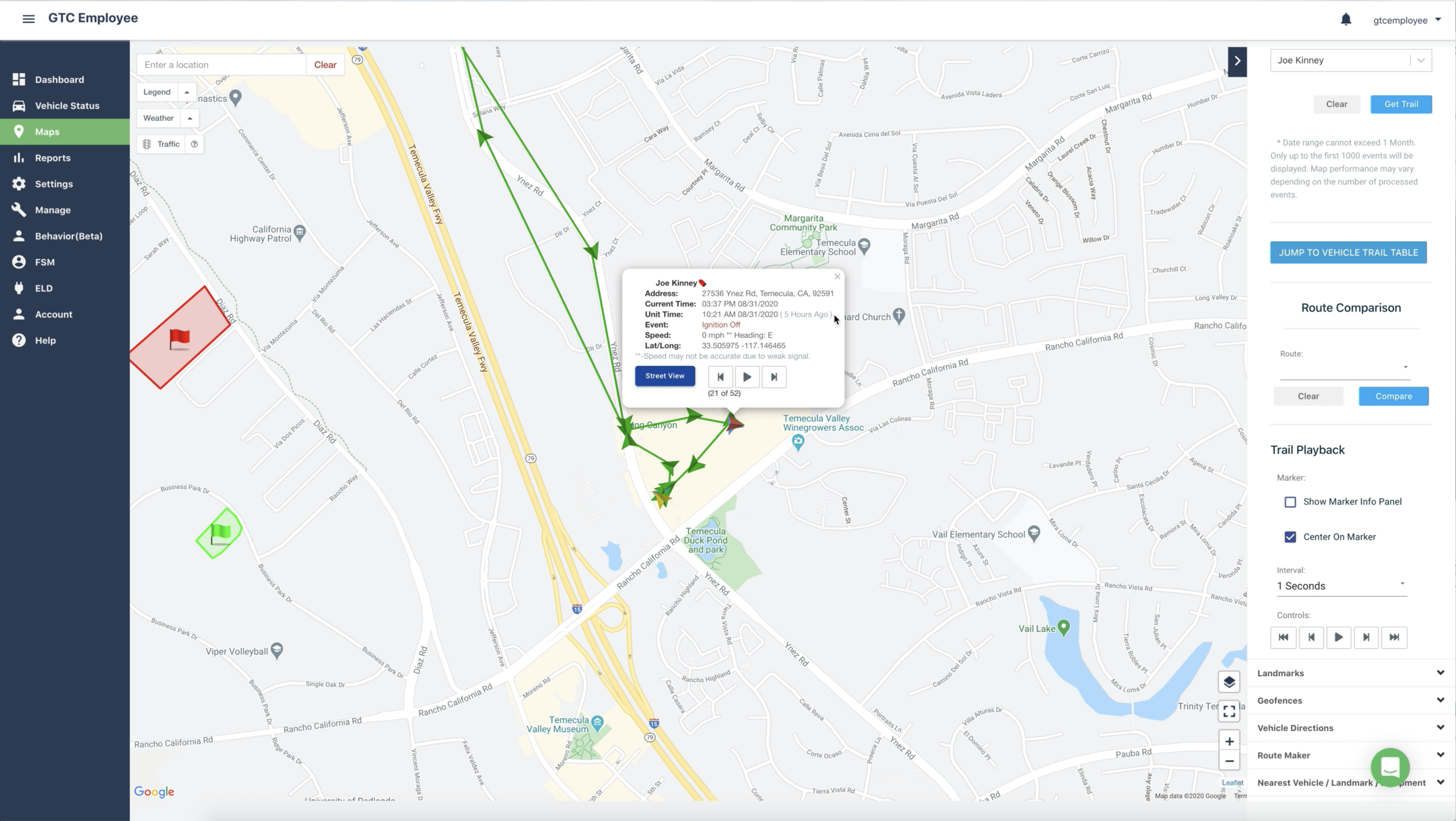
Real-time tracking is the foundation of any vehicle tracking system. A GPS tracking device uses the Global Positioning System, often supported by other satellite systems and cellular networks, to send location updates to a live map. This helps fleet managers, dispatchers, and operations teams see where vehicles are, where they have been, and whether they are on schedule.
Look for a system that provides accurate real-time location data, trip history, vehicle status, and map views that are easy to use. Basic location tracking may be enough for simple asset visibility, but commercial fleets usually need deeper telematics data, including speed, odometer readings, idle time, engine activity, and diagnostic codes.
For fleets that need more than GPS-only visibility, fleet telematics devices can provide a stronger operational picture by combining location data with vehicle performance, engine, and driver activity data.
2. Geofencing and virtual boundaries
Geofencing lets you create virtual boundaries around yards, customer locations, job sites, restricted areas, schools, terminals, or delivery zones. When a vehicle enters or exits one of those areas, the system can automatically record the event or send an alert.
Geofencing is useful for confirming arrivals and departures, reducing unauthorized vehicle use, improving theft protection, and monitoring time spent on site. It can also help dispatchers understand whether a driver is near the next job, whether a route is being followed, or whether a vehicle has left a service area unexpectedly.
3. Driver behavior monitoring and safety alerts
Vehicle tracking systems can support driver safety by monitoring behaviors such as speeding, harsh braking, rapid acceleration, sharp cornering, and excessive idling. Many telematics systems use accelerometer data and vehicle movement data to identify risky driving patterns that may not be obvious from location alone.
The goal is not just to collect driver behavior monitoring data. The real value comes from using that data to coach drivers, reduce preventable incidents, and build a stronger safety culture. Look for configurable safety features, driver scorecards, event alerts, and reports that help managers identify trends without creating unnecessary noise.
4. Dashcam and video context
Location and telematics data can tell you that an event happened. Dashcam footage can help show what happened before, during, and after the event. For fleets focused on safety, liability, and coaching, video telematics can be a valuable addition to a GPS tracking system.
Dashcam and driver coaching tools can help fleet teams review harsh braking events, speeding alerts, distracted driving risks, traffic incidents, and customer complaints with more context. When evaluating video features, consider whether the system supports road-facing video, driver-facing video where appropriate, event-based uploads, secure access controls, and clear policies for driver privacy.
Zonar driver coaching and AI dashcam solution is one option for fleets that want video context connected to safety events and driver performance programs.
5. Maintenance alerts and vehicle diagnostics
A strong vehicle tracking system should help maintenance teams act before small issues become larger failures. Look for maintenance alerts based on mileage, engine hours, time intervals, diagnostic trouble codes, and inspection results. This is especially important for fleets where downtime directly affects revenue, service commitments, or public safety.
Vehicle diagnostics can help teams understand check engine lights, battery issues, fault codes, and other maintenance signals sooner. Preventative maintenance features can also help teams schedule oil changes, inspections, tire checks, and other service tasks before they become urgent.
For fleets that need deeper health monitoring, fleet health solutions can help connect diagnostics, maintenance workflows, and vehicle uptime in one place.
6. Fuel consumption, idle time and cost reporting
Fuel is one of the largest operating costs for many fleets, and a vehicle tracking system can help identify waste. Useful fuel-related features include fuel consumption reporting, idle time tracking, speeding reports, route efficiency analysis, and driver-level performance data.
Idling is especially important because it can increase fuel costs, engine wear, and emissions without moving the vehicle. Look for reporting that shows where vehicles are idling, how long they idle, and whether certain routes, drivers, or job types are contributing to unnecessary fuel use.
If you want more detailed fuel performance visibility, explore fuel efficiency tracking and reporting to better understand driver habits, fuel waste, and opportunities to reduce fuel costs.
7. Routing, dispatch and route optimization
GPS tracking features should make dispatching easier. A live map can help dispatchers find the closest vehicle, reroute drivers around delays, provide more accurate arrival estimates, and respond faster to last-minute changes.
For service and delivery fleets, route optimization and routing features can help reduce unnecessary mileage, improve on-time performance, and increase the number of jobs completed per day. For school transportation, transit, and public sector fleets, routing data can also support schedule planning, vehicle utilization, and service reliability.
8. Compliance management and ELD support
Some fleets need compliance management features in addition to GPS tracking. Depending on the vehicles and use case, that may include:
If your fleet operates commercial motor vehicles subject to ELD requirements, make sure your solution can connect vehicle data, driver status, engine hours, location, and records-of-duty status in a way that supports compliance.
For fleets that manage inspections, look for verifiable digital workflows that help verify that required inspections are completed and documented.
9. Mobile access, reports and analytics
You don't always work at your desk. Few fleet managers do. A modern vehicle tracking system should provide mobile access so managers, dispatchers, technicians, and operators can view key data from the field.
At minimum, look for:
-
Mobile-friendly maps
-
Vehicle search
-
Alerts
-
Trip history
-
Reporting
Reports should go beyond basic location history. Strong reporting tools can help teams analyze driver safety, idle time, routing, vehicle utilization, fuel trends, maintenance needs, and compliance activity. A fleet management platform such asZonar Ignition™ can help bring real-time trip data, diagnostics, dashboards, alerts, maintenance reporting, and fleet performance insights into one fleet management platform.
10. Device fit, installation, battery life, and support
The best GPS tracking system and fleet telematics control units (TCUs) for your fleet depends on the vehicles and assets you manage.
-
A plug-and-play fleet telematics control unit that uses an OBD-II port may work well for light-duty, seasonal, temporary and other types of vehicles for which you need limited tracking.
-
An OEM-grade tethered solution may be more appropriate for medium-duty, heavy-duty, off-highway, or specialized assets may need a more rugged or hardwired solution.
Before choosing a provider, confirm whether the hardware supports your vehicle types, duty cycles, operating conditions, battery life requirements, cellular coverage needs, and diagnostic data requirements.
Also consider support. Technology does not always work exactly as expected, and fleets need a provider that can help with installation, troubleshooting, training, and long-term account support.
How can Zonar fleet technology help?
Zonar helps commercial, public sector, pupil transportation, and mixed fleets connect vehicle tracking, telematics, diagnostics, safety, maintenance, and compliance data in one fleet management ecosystem.
With Zonar Ignition, Zonar TCUs, fleet health tools, driver coaching, fuel reporting, and real-time fleet visibility, teams can monitor vehicles and assets, review driver and vehicle activity, identify efficiency opportunities, and act on maintenance and safety issues sooner.
Zonar solutions are built to help teams understand where vehicles are, how they're being used, how drivers are performing, and which vehicles may need attention before problems disrupt operations.
Questions? Contact us | Get pricing
Choosing the right vehicle tracking system features
The best vehicle tracking system is the one that matches your fleet’s size, vehicle mix, safety goals, compliance needs, and daily workflows. A small service fleet may prioritize mobile access, geofencing, routing, and fuel reporting. A heavy-duty or public sector fleet may need advanced diagnostics, engine hours, inspection workflows, ELD support, and more detailed maintenance alerts.
Start by identifying the problems you need to solve:
Then compare providers based on the features that directly support those outcomes.
GPS tracking is only the beginning. The right vehicle tracking system should help your fleet see more, respond faster, reduce waste, protect drivers, and keep vehicles working where they are needed most.