The Distraction of Eating and Driving for Truck and Van Drivers
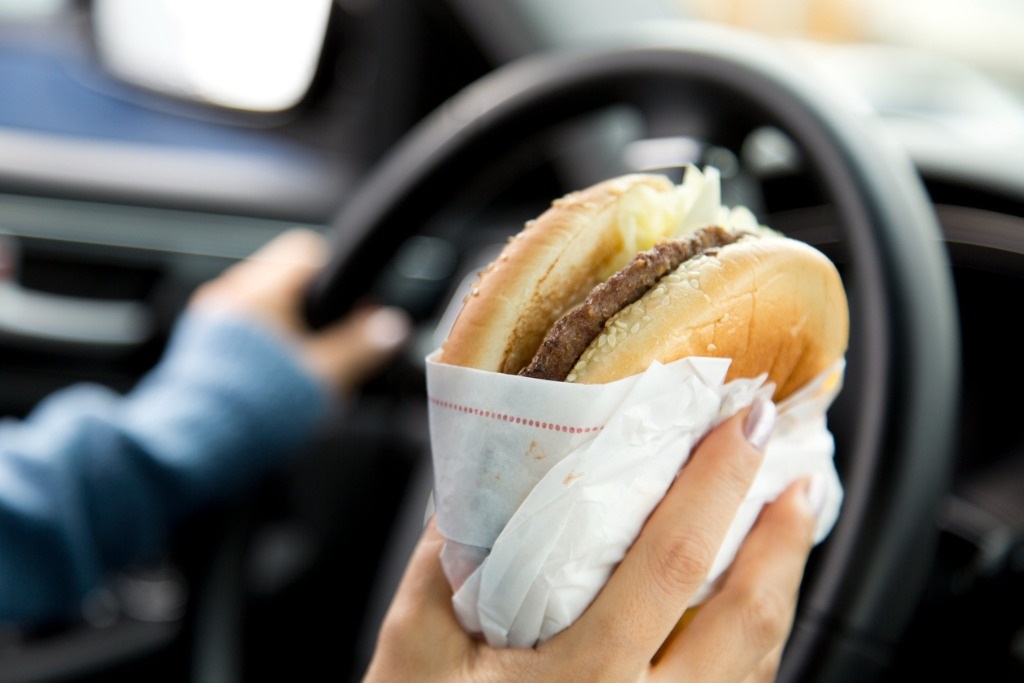
Distracted driving conversations often focus on phone use, but eating and drinking behind the wheel can also create safety risks. For truck and van drivers, even a brief distraction can affect reaction time, lane position, speed control, and awareness of surrounding traffic.
Fleet teams that want to reduce distracted driving should address food and drink distractions directly in their safety policies, driver training, and coaching programs.
Why Eating While Driving Is a Safety Risk
The National Highway Traffic Safety Administration defines distracted driving as any activity that takes attention away from driving. Eating and drinking can create several types of distraction at once: visual, manual, and cognitive.
A driver may look away from the road to reach for food, take a hand off the wheel to open packaging, or lose focus while trying to prevent a spill. These actions may seem minor, but they can matter in traffic, bad weather, work zones, intersections, or dense urban routes.
Common food-related distractions
Food and drink can distract drivers in several ways, including reaching for items, unwrapping packaging, cleaning spills, handling hot beverages, looking down at the passenger seat, or trying to eat while maneuvering a large vehicle.
Why This Matters for Fleet Drivers
Truck and van drivers often work long shifts, manage tight schedules, and spend much of the day on the road. That can make eating in the vehicle feel convenient or even necessary. But fleet vehicles are larger, heavier, and often more difficult to maneuver than personal vehicles, which makes distraction especially concerning.
Food-related distractions can also affect professional standards. Spills, stains, trash, and odors can make vehicles harder to maintain and may affect the impression drivers make at customer sites.
How Fleet Managers Can Reduce Food-Related Distractions
The first step is a clear policy. Fleet teams should state whether eating while driving is prohibited, discouraged, or limited to certain situations. The policy should also explain when drivers are expected to take breaks, where they should safely stop, and how the company supports realistic meal and rest periods.
Driver training should reinforce why the policy exists. The goal is not to make drivers’ workdays harder. The goal is to reduce avoidable distractions, protect drivers, and support safer operations.
Managers should also review whether schedules or route expectations are unintentionally encouraging drivers to eat while driving. If drivers feel they cannot stop for meals or breaks, the issue may be operational as well as behavioral.
Using Telematics and Video Telematics Responsibly
Telematics and video telematics can help fleet managers identify distracted-driving patterns and review safety events with more context. Depending on the system, video may help show whether a driver was eating, drinking, reaching for an object, or distracted by something else before an event.
This information can support coaching and incident review, but it should be used carefully. Fleet teams should communicate what is monitored, when footage is reviewed, who has access, and how the information will be used.
Driver-facing cameras and video review programs should be supported by clear policies, privacy practices, and consistent coaching standards. The goal should be safer driving and fair review, not unnecessary monitoring.
Building a Safer Driver Distraction Policy
A practical distracted-driving policy should cover more than mobile phones. It should address eating, drinking, reaching for objects, paperwork, in-cab devices, and other activities that may take attention away from the road.
Fleet teams can strengthen their policy by:
- Setting clear expectations for eating and drinking while driving.
- Building realistic break time into routes and schedules.
- Training drivers on visual, manual, and cognitive distraction.
- Using telematics and video data to coach consistently and fairly.
- Reviewing incident patterns to identify route, scheduling, or workload issues.
- Recognizing drivers who follow safe driving practices.
How Zonar Can Help
Zonar helps fleet teams bring vehicle, driver, safety, and operational data into clearer view. With fleet management and video telematics solutions, teams can review safety events, support driver coaching, and make more informed decisions across daily operations.
To learn how Zonar can support your fleet safety and distracted-driving prevention goals, contact the Zonar team.