How Telematics Changed Fleet Management
For decades, businesses have used technology to improve how they communicate, operate, and move goods. The rise of computers, the internet, GPS, mobile connectivity, and connected vehicle systems changed the way fleet teams manage vehicles, drivers, assets, and daily operations.
Telematics is one of the most important parts of that shift. By combining vehicle data, location technology, wireless communication, and fleet management software, telematics gives fleet teams better visibility into what is happening on the road and in the field.
Early Telematics and GPS Technology
Telematics broadly refers to the use of telecommunications and information technology to send, receive, and analyze data from remote systems. In fleet operations, the term usually refers to connected vehicle and asset technology that helps businesses monitor location, vehicle activity, driver behavior, maintenance needs, and operational performance.
Early fleet operations relied heavily on manual processes. Dispatchers used phone calls, handwritten reports, paper maps, CB radios, weigh station records, and driver updates to understand where vehicles were and how trips were progressing.
As GPS and wireless communications became more accessible, fleets gained the ability to track vehicles, review route activity, and communicate more efficiently with drivers. Over time, telematics expanded from basic location tracking into broader fleet management systems that support safety, maintenance, compliance, asset tracking, and reporting.
How Fleet Management Software Evolved
Early vehicle tracking systems focused primarily on location. Fleet managers wanted to know where vehicles were, which routes they took, and whether drivers arrived at customer sites or terminals on time.
From location data to operational insight
Modern fleet management software does much more than show dots on a map. It can help teams connect GPS data with driver behavior, vehicle health, maintenance records, fuel-related activity, geofencing, route history, asset visibility, and compliance workflows.
This shift matters because fleet teams need more than location. They need operational context. A vehicle’s position is useful, but managers also need to know whether it is delayed, idling, due for maintenance, involved in a safety event, or operating outside an assigned area.
Modern Fleet Telematics
Modern telematics helps fleet teams monitor vehicles, drivers, and assets through connected systems. Depending on the platform and hardware, telematics can support:
- GPS vehicle tracking.
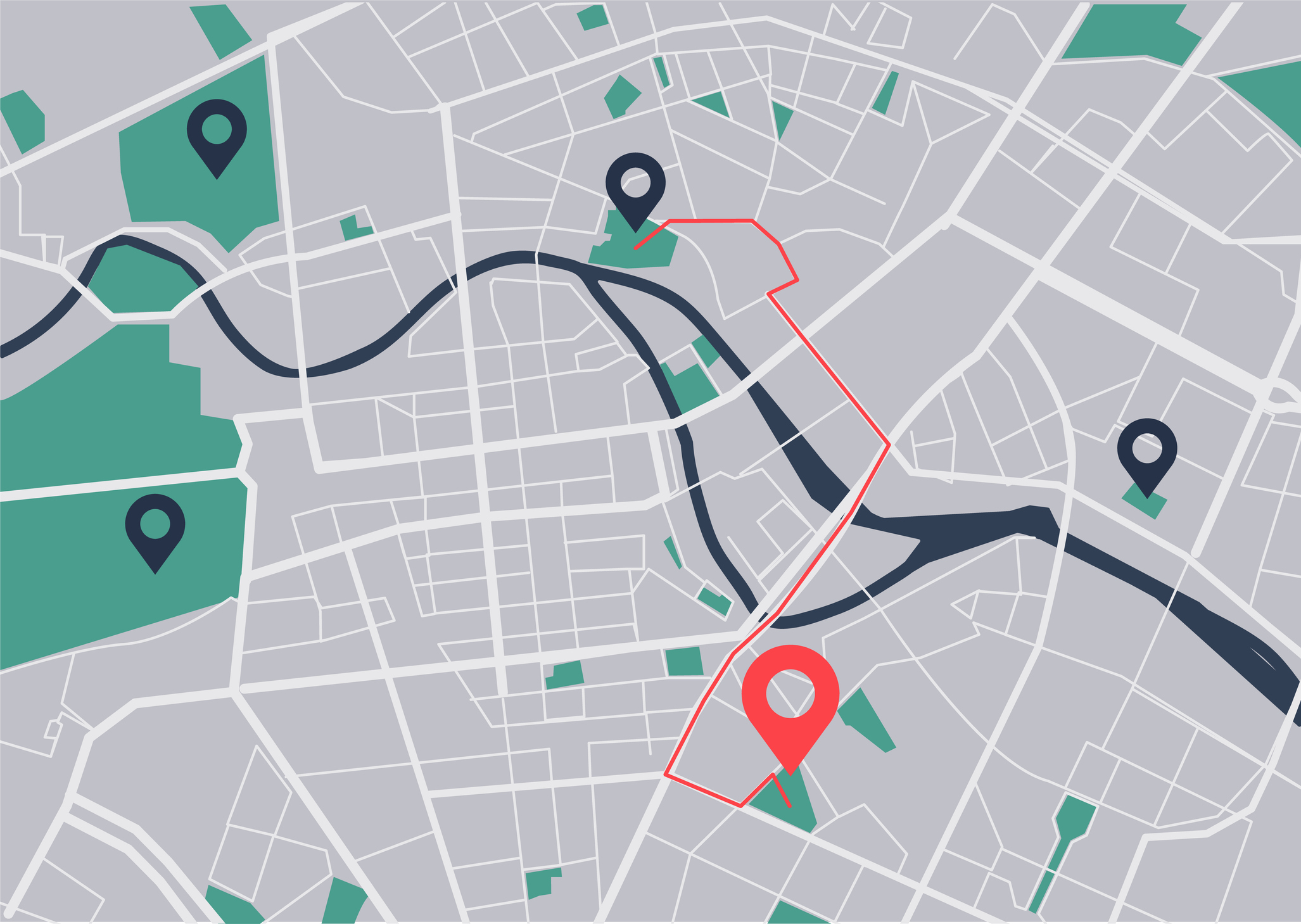
- Route history and breadcrumb trails.
- Geofencing and alerts.
- Driver behavior reporting.
- Maintenance reminders and vehicle health data.
- Idle time visibility.
- Asset tracking for trailers and equipment.
- ELD and HOS compliance workflows, where applicable.
- Video telematics for safety event review and driver coaching.
- Operational reports for managers, dispatchers, and leadership teams.
The value of telematics comes from helping teams act on information faster. Instead of waiting for drivers to call in, managers can review vehicle location, route progress, alerts, and reports in a connected fleet management platform.
The Role of Video Telematics
Video telematics adds visual context to fleet data. Traditional telematics may show that a vehicle had a harsh braking event, but video can help explain why it happened. For example, a driver may have been following too closely, or another vehicle may have cut into the lane unexpectedly.
When used responsibly, video telematics can support:
- Driver coaching.
- Incident review.
- Claims documentation.
- Safety meetings.
- Recognition of strong defensive driving.
- Better context around road and traffic conditions.
Fleets should introduce video telematics with clear policies. Drivers should understand what is recorded, when footage is reviewed, who can access it, how long it is retained, and how the footage may be used for coaching, recognition, claims, or policy review.
How Telematics Improves Communication
Fleet communication has changed significantly. In the past, dispatchers often depended on radio updates, phone calls, paper records, and driver check-ins. Today, telematics can help teams reduce unnecessary check-ins and communicate with better context.
Dispatchers can use fleet data to see where vehicles are, identify nearby drivers, confirm arrivals, review route progress, and provide more accurate ETAs to customers. Maintenance teams can review mileage, engine hours, inspection activity, and fault-related data when available. Safety teams can review driver behavior trends and coaching opportunities.
This connected visibility can help teams make faster decisions and reduce the amount of manual coordination required to manage daily operations.
What the History of Telematics Means for Fleets Today
The history of telematics shows how fleet management has moved from reactive updates to proactive visibility. Instead of learning about delays, vehicle issues, or route problems after the fact, fleet teams can use connected data to identify issues earlier and respond more effectively.
Telematics can help fleets answer important operational questions:
- Where are our vehicles and assets?
- Which routes are creating delays?
- Which drivers may need coaching?
- Which vehicles are due for maintenance?
- Are assets sitting unused?
- Are vehicles entering or leaving important locations?
- Are we documenting compliance-related workflows properly?
- Where can we reduce manual work?
These insights can support better planning, safer driving habits, improved customer communication, and more consistent fleet operations.
Choosing the Right Telematics Platform
Not every fleet needs the same telematics setup. A service fleet may need GPS tracking, route history, and proof-of-service visibility. A trucking fleet may need ELD and HOS support. A construction fleet may need asset tracking and geofencing. A fleet focused on safety may need driver behavior reporting and video telematics.
When evaluating a telematics platform, consider:
- What vehicles, drivers, and assets need to be monitored.
- Which teams need access to fleet data.
- How often location updates are needed.
- Whether driver behavior reporting is required.
- Whether maintenance data and inspection workflows are needed.
- Whether ELD and HOS compliance tools are required.
- Whether video telematics is needed for safety coaching or incident review.
- How reports, alerts, and dashboards will be used.
- How easy the system is for managers, drivers, and administrators to adopt.
The best telematics platform should support the fleet’s real workflows, not simply add more data for teams to sort through.
How Zonar Can Help
Zonar helps fleet teams bring vehicle, driver, asset, safety, maintenance, and compliance-related data into clearer view. With fleet management, GPS tracking, route history, driver behavior reporting, maintenance tools, alerts, geofencing, asset tracking, ELD and HOS compliance support, and video telematics, Zonar can help organizations make more informed decisions across daily operations.
To learn how Zonar can support your telematics and fleet visibility goals, contact the Zonar team.