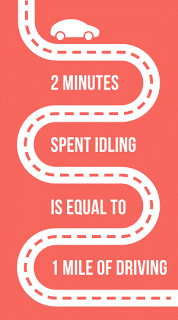
Idling is easy to overlook because it often happens in small increments throughout the day. A few minutes at a job site, a delay in traffic, a long wait during a delivery, or a vehicle left running during a break can add up across an entire fleet.
For businesses that operate multiple vehicles, excessive idle time can quietly increase fuel consumption, maintenance needs, emissions, and operating costs.
Why idling matters
When a vehicle is idling, it is using fuel without moving the business forward. Over time, that can affect more than the fuel budget. Long idle periods may contribute to unnecessary engine wear, additional maintenance needs, and reduced asset efficiency.
Small habits can create large fleet costs
One driver leaving a vehicle running may not seem like a major issue. But when the same behavior happens across dozens or hundreds of vehicles, idle time can become a meaningful source of waste.
How fleet tracking helps reduce idling
A fleet management platform can help teams identify where and when idling happens. Managers can review idle-time reports, compare patterns across vehicles or routes, and use that information to coach drivers or improve processes.
Common ways to act on idle-time data
- Set alerts for excessive idle events.
- Review idle time by vehicle, route, driver, or location.
- Identify operational delays that force drivers to wait.
- Coach drivers on shutoff policies and fuel-saving habits.
- Track progress after implementing an idle-reduction program.
Reducing idling is an operational habit
Technology can surface the data, but long-term improvement usually comes from clear expectations, practical policies, and consistent coaching. When teams can see the cost of idling and measure progress, reducing unnecessary idle time becomes easier to manage.
For fleets focused on controlling fuel costs and improving efficiency, idling is one of the first behaviors worth monitoring.