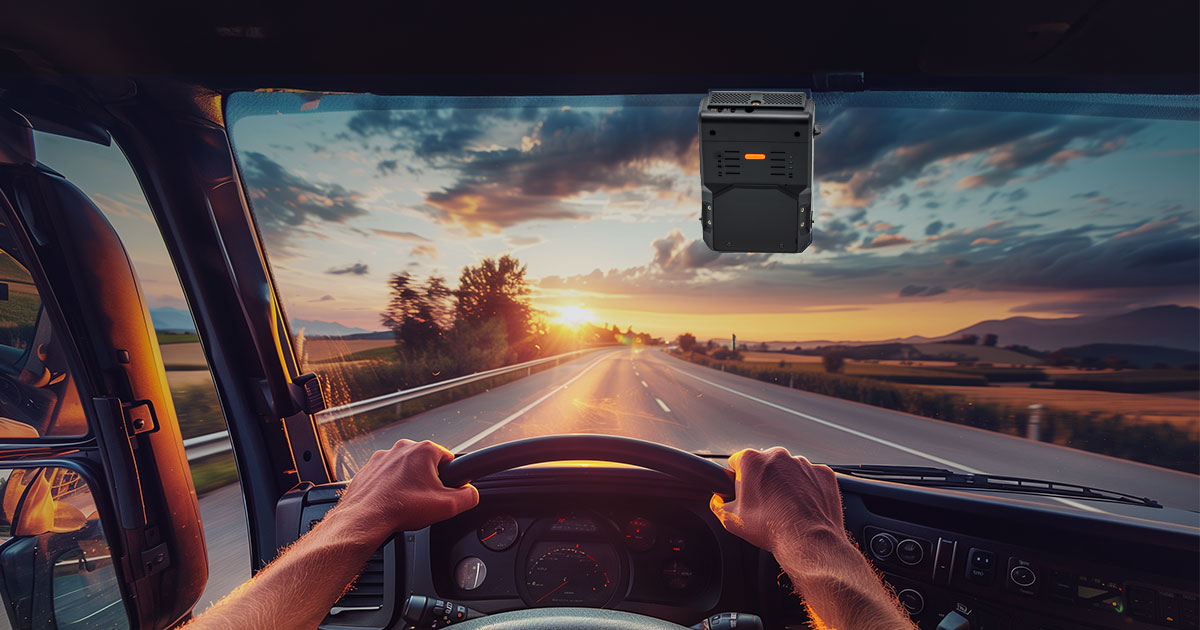
If you manage a fleet and want better visibility into driver safety, vehicle location, fleet operations, and incident context, video telematics may already be on your radar. The concept is straightforward: video telematics combines dashcam footage with telematics data so fleet managers can better understand what is happening in and around each vehicle.
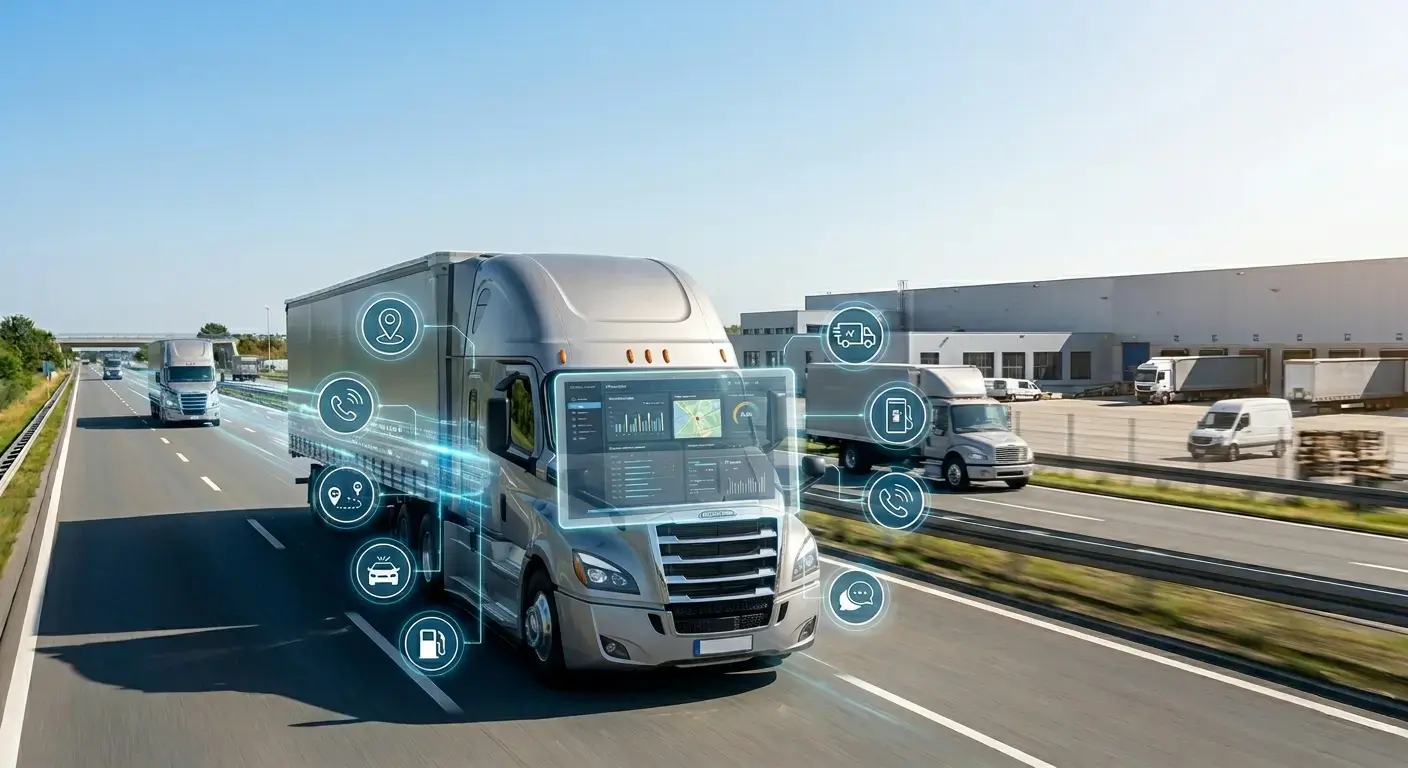
A standard telematics device can help show where a vehicle is, where it traveled, how fast it was moving, and whether certain driving events occurred. Video telematics adds visual context to that information. Instead of reviewing speed, harsh braking, rapid acceleration, GPS location, or vehicle diagnostics in isolation, teams can review video evidence alongside vehicle and driver data.
For fleets that rely on vehicles every day, that additional context can support driver coaching, incident review, insurance claims, safety investigations, and broader fleet management decisions. It can also help managers identify risky driving behavior before it becomes a larger safety, compliance, or cost issue.
What does video telematics mean?
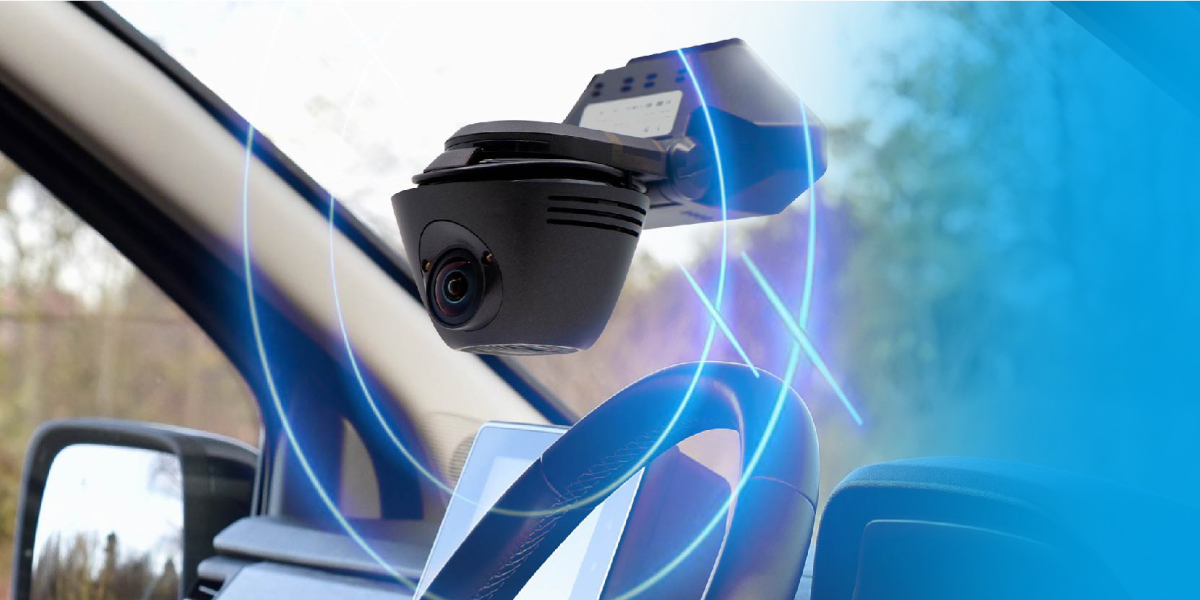
Video telematics is the use of camera footage, telematics devices, GPS tracking, sensors, and fleet management software to collect and review vehicle and driver activity. Depending on the system, video telematics may include road-facing cameras, driver-facing cameras, AI-powered dashcams, accelerometers, event triggers, in-cab alerts, live streaming, historical footage playback, and cloud-based reporting tools.
In practical terms, video telematics helps answer questions that raw data alone cannot always explain.
A fleet manager may see that a driver braked harshly, but the video can show whether the driver was distracted, tailgating, responding to another vehicle, avoiding road debris, or reacting appropriately to a sudden hazard.
A system such as Zonar telematics and driver safety solution can help fleet teams review road conditions, driver behavior, and event details in one place. This can be especially useful when investigating collisions, near misses, distracted driving, mobile phone use, speeding, seatbelt events, drowsiness indicators, tailgating, or disputed claims.
How does video telematics work?
Video telematics systems typically rely on a combination of cameras, GPS tracking, vehicle data, sensors, and software.
-
Dashcams capture footage from inside or outside the vehicle.
-
Telematics devices collect information such as speed, location, route history, idle time, vehicle performance, and diagnostic data.
-
Event triggers help determine when footage should be saved, uploaded, or flagged for review.
For example, if a vehicle experiences harsh braking, a sharp turn, rapid acceleration, or a collision-level impact, the system may automatically upload video from before, during, and after the event. Fleet managers can then review the footage alongside telematics data to understand what happened.
Some smart dashcams and AI-powered dashcam systems can also identify specific risky driving behaviors. Depending on the system configuration, these may include distracted driving, drowsiness, mobile phone use, following distance issues, lane departure warnings, seatbelt non-use, or signs of aggressive driving. Advanced driver assistance systems, often referred to as ADAS, and driver monitoring systems, often referred to as DMS, may provide additional safety signals.
Many systems also support real-time alerts or in-cab alerts. These alerts can notify drivers when certain behaviors are detected, giving them a chance to correct the behavior immediately. For managers, alerts and event reports can help prioritize which incidents need review instead of requiring someone to manually watch hours of footage.
What can video telematics tell you?
Video telematics can help fleet teams understand what happened, where it happened, how the vehicle was being operated, and whether the driver had enough time and space to respond. It can also help teams identify patterns across drivers, vehicles, routes, locations, or business units.
Questions video telematics help answer
- How was the vehicle being operated before and during an event?
- What was happening on the road around the vehicle?
- Was the driver distracted, fatigued, speeding, or following too closely?
- Did the driver respond appropriately to a hazard?
- Was a harsh braking event caused by unsafe driving or by another vehicle?
- Does the event description match the available video and telematics data?
- Can video evidence help exonerate drivers from false or fraudulent claims?
- Is there a driver coaching opportunity that can help prevent similar events?
- Are certain routes, locations, or operating conditions creating repeated risk?
This type of data collection can be especially helpful for fleet safety programs because it gives managers a clearer basis for action. Instead of relying only on written reports, driver recollection, or third-party accounts, managers can review footage and vehicle data together.
What are the benefits of video telematics?
The biggest benefit of video telematics is context. Fleet teams already collect a significant amount of operational data through GPS tracking, telematics devices, maintenance systems, and fleet management software.
Video makes that data easier to interpret.
Driver safety
Video telematics helps identify risky driving behaviors such as speeding, distracted driving, harsh braking, aggressive acceleration, tailgating, drowsiness, and mobile phone use. When those behaviors are captured and reviewed consistently, managers can coach drivers using specific examples rather than general feedback.
Incident reviews
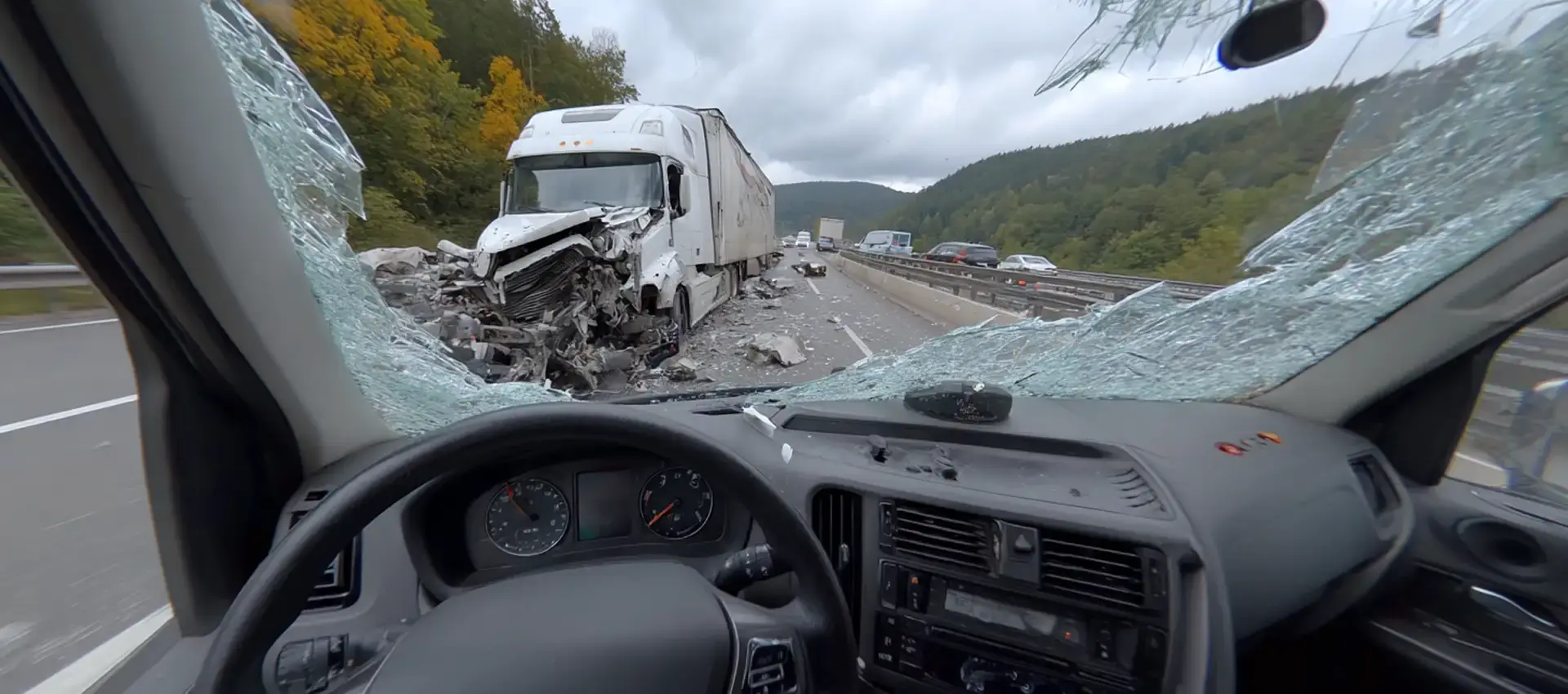
Video can help clarify what occurred before, during, and after a crash or safety event. This can support internal investigations, customer communication, claims review, and driver conversations. In some cases, video evidence may help exonerate drivers when another motorist, pedestrian, or road condition contributed to the incident.
Fleet operations
Video telematics can also support real-time visibility. Managers may be able to see where vehicles are, whether certain events are occurring, and which drivers or vehicles need attention. When combined with broader fleet management tools, video telematics can help teams make better decisions about safety, routing, training, maintenance, and operational efficiency.
How does video telematics supports driver coaching?
Video telematics is most effective when it is part of a clear driver coaching program. The goal should be to help drivers understand risk, correct unsafe habits, and protect themselves, passengers, vehicles, and the public; not create a culture of surveillance.
Driver coaching works best when teams set clear expectations.
Drivers should understand what behaviors are being monitored, when video is recorded, how footage is reviewed, who can access it, and how the information will be used. A clear policy can help reduce confusion and build trust.
Video clips help make coaching more specific. Instead of telling a driver to “slow down” or “avoid distractions,” a manager can review a specific event and discuss what happened. That may include speed, following distance, road conditions, vehicle location, driver attention, or the driver’s response to another vehicle.
Some systems also support driver scoring. Driver scoring can help managers prioritize coaching by identifying patterns across harsh braking, speeding, tailgating, seatbelt use, mobile phone use, or other risky driving behaviors. The best programs use driver scores as one input, not the only measure of performance.
See also: ROI for Real-Time Driver Coaching
How do video telematics support cost control?
The financial impact of video telematics depends on the fleet, risk profile, insurance program, driver behavior, and how consistently the system is used. For many fleets, the potential value comes from reducing preventable incidents, improving claims documentation, supporting driver coaching, and identifying unsafe or inefficient driving patterns.
Broader operating goals
Less aggressive acceleration, braking, speeding, and idle time may help reduce fuel consumption and vehicle wear over time. Better visibility into vehicle performance and driver behavior may also help teams address issues before they become larger operational problems.
Insurance claims workflows
When a crash, complaint, or disputed event occurs, having video evidence available can help teams respond with more confidence. Footage may help clarify fault, document road conditions, identify fraudulent claims, and support conversations with insurers or other parties.
See also: Exonerate drivers falsely accused of performing unsafely
Insurance premiums
Fleet size, vehicle type, loss history, geography, coverage, insurer requirements, and more all influence insurance premiums. Video telematics should not be viewed as a guaranteed way to reduce premiums. However, a strong safety program supported by telematics data, driver coaching, and incident documentation may help fleet teams have more informed conversations about risk and claims.
Who uses video telematics software?
Video telematics software can be useful for many types of fleets, especially organizations that operate vehicles in public, high-risk, time-sensitive, or customer-facing environments.
That includes commercial fleets, service fleets, passenger transportation, construction vehicles, public sector fleets, utilities, delivery operations, and school transportation.
Different fleets may use video telematics for different reasons. A service fleet may focus on driver safety, route efficiency, and customer complaints.
-
A public sector fleet may focus on accountability, safety, and regulatory compliance.
-
A passenger transportation organization may prioritize driver behavior, incident review, and passenger safety.
-
A construction fleet may focus on jobsite risk, vehicle location, driver behavior, and equipment movement.
The common thread is visibility. Fleet leaders need to understand what is happening across vehicles, drivers, routes, and operating conditions. Video telematics gives them another layer of context for making those decisions.
What to look for in a video telematics system.
When comparing video telematics options, look beyond the camera itself.
A strong system should:
-
Make footage easy to access
-
Prioritize the events that matter
-
Give managers enough context to take useful action
Important considerations include video quality, road-facing and driver-facing camera options, event-trigger settings, data retention, user permissions, driver coaching workflows, reporting tools, cellular connectivity, installation requirements, live streaming, playback of historical footage, and integration with your broader fleet management platform.
Fleet leaders should also evaluate how the system handles privacy and data access. Driver-facing cameras, live streaming, and in-cab monitoring can raise legitimate questions. Teams should document when video is recorded, how long footage is retained, who can review it, and how footage may be used for coaching, claims, compliance, or investigations.
The right system should support your safety goals without creating unnecessary administrative burden. If managers receive too many alerts, cannot find footage quickly, or lack a clear coaching process, the technology may not deliver its full value. The system should help teams focus on meaningful events, not drown them in noise.
How can Zonar video telematics help?
Video telematics is only as effective as the action it drives. The combination of clear data, visual context and consistent follow-through is what turns insight into safer driving habits, stronger performance, and measurable operational improvements.
That’s where a structured coaching approach makes the difference. Instead of reacting to isolated events, fleets can build a repeatable process for reviewing incidents, identifying patterns, and reinforcing expectations. With the right tools in place, coaching becomes more timely, more specific, and more impactful for both drivers and managers.
Zonar Coach™ helps close that loop by turning telematics data and video insights into focused coaching opportunities. Coach enables fleet teams to prioritize the right drivers, track performance trends, and deliver feedback grounded in real-world events, not guesswork.