Summary: Learn how vehicle camera systems help government fleets strengthen incident documentation, speed fact finding, support claims reviews, improve accountability, and provide the evidence needed to defend decisions and exonerate drivers when complaints are not supported by the facts.
Read time: 10 minutes
Government fleet management is not for the weak. Managing vehicles and supporting public services are challenging and complicated enough. But there’s fleet safety. Because what happens when a fleet vehicle is involved in a collision? Or a resident calls because they believe a government vehicle damaged their parked car?
Fleet managers and fleet safety teams also investigate incidents and complaints involving their fleet vehicles, employees, public assets and community members. They have to find out what exactly happened and document their findings for review. Government fleet video monitoring makes that process faster, more efficient, and the findings more reliable.
This article covers how, as part of a broader fleet management strategy, vehicle camera systems, dash cams, and auxiliary cameras provide objective information that supports investigations.
- Strengthens incident documentation with objective video evidence
- Speeds up fact finding, event reconstruction and internal investigations
- Supports driver exoneration when they’re falsely accused
- Improves accountability and supports defensible decision-making
You'll also learn what government fleets should look for in a video monitoring system. As well as why camera coverage requirements vary across departments, vehicle types and operating environments.
How do vehicle camera systems strengthen incident documentation?
By recording events as they occur to create accurate, unbiased records for stronger incident documentation. Agencies evaluating vehicle-related incidents need evidence that shows the event and its context. A fleet camera system doesn’t lie, misremember or forget details the way a human witness can. Video evidence is just that, evidence of details that would be difficult to reconstruct later for accurate fleet incident resolution.
- Preserves details such as weather, road conditions and other environmental factors that would be difficult to recreate.
- Provides the same level of detail and unchanged data for review long after the incident occurs.
- Creates consistency across investigations because reviewers reference the same documented records while they evaluate findings.
Government fleets have a different level of accountability than for-profit commercial fleets. The stronger your fleet’s incident documentation, the better your quality of incident files and transparency with leaders, risk management agencies, law enforcement and communities. Combine video evidence with driver reports, photographs, vehicle inspections and witness statements, and investigators will better understand what happened and why.
And the first 24 hours after an accident can be critical, depending on the nature of the accident. According to this Government Fleet article, “The vehicle must also be taken to fleet management, or scheduled for drop-off, for a repair assessment. That early reporting step matters because late documentation can slow claims, hold up repairs, and leave gaps in the record.”
Many agencies pair vehicle cameras with GPS tracking and video telematics solutions for a more complete driver monitoring system. During investigations and reviews, relevant evidence becomes easier to find because a telematics system captures vehicle data that regular forward-facing cameras and dash cams can’t.
Does government fleet video monitoring speed fact finding?
Yes, by providing direct access to recorded information instead of making fleet safety teams and investigators spend hours reconstructing events from written reports and witness accounts. And, ideally, making that footage available through a fleet management software that’s accessible online.
Reviewing timelines and comparing information from multiple sources takes time. Government fleet video monitoring speeds up the process by providing direct access to recorded, documented information that paints a clear picture of what happened.
- Verify timelines by showing activity before, during and after an incident.
- Confirm vehicle locations and movements at specific times and on specific dates.
- Compare competing accounts with what the vehicle camera systems show
- Identify contributing factors such as roadway conditions, traffic activity, visibility and obstacles
- Corroborate law enforcement reports by comparing officer observations, citations or crash reports against recorded video evidence
Consider a complaint involving speeding or distracted driving. Investigators need to determine whether the vehicle was operated unsafely, the driving conditions and whether the complaint is valid. Did the driver speed? If so, was the vehicle going 50mph in a 30mph speed zone as stated in the report? Or was distracted driving to blame for the lead foot?
The Administrative Conference of the United States notes that effective investigations depend on clear processes for gathering, evaluating, and documenting evidence. Incident documentation matters. And vehicle camera systems provide documentation.
Video evidence shows what happened. Pairing a fleet camera system with a telematics system speeds the investigation even more. Other incidents such as harsh braking and harsh driving events are captured on fleet dash cams and by the vehicle’s performance data for stronger, more complete incident resolution. Even footage from a driver-facing camera will quickly show if that driver was distracted or paying attention.
Video evidence supports reviews and investigations.
There’s always more to the story than even eyewitnesses realize. Did the driver cause the accident or not? If so, what were the circumstances? Putting the pieces together takes video evidence. With it, reviewers have an objective record to compare against other incident documentation and come to a more accurate conclusion than if they’d relied on witness reports alone.
- Evaluate competing accounts of a collision, complaint, or property damage incident.
- Verify details included in reports and statements.
- Corroborate law enforcement findings with recorded evidence.
- Document the basis for claims decisions and driver exoneration.
- Create a record that supports later reviews and audits.
Government fleet teams need to explain their decision, including why they made it. Consider a property damage claim involving someone’s parked vehicle. The claimant, driver, and witnesses may describe the incident differently. Vehicle camera systems create video evidence that makes defending the decisions and findings easier during later reviews as well.
Why do government fleets need video evidence?
Because government fleets are accountable to more than their own department leadership. Your agency will, at some point, need to explain and defend your decisions and findings.
- Department leadership may want an explanation of the incident findings.
- Risk management teams may want to review the incident documentation on the claim.
- Auditors, elected officials, law enforcement agencies and members of the public may all want to know what happened, in detail.
When they ask, they’ll want to know how your agency reached that conclusion. Video evidence allows reviewers to reference the same documented facts you and your teams evaluated to reach your decision.
- Demonstrating how conclusions were reached
- Supporting consistent review processes across departments
- Creating a documented record for audits and future reviews
- Improving transparency with agency leadership and the public
- Strengthening confidence in investigative findings
This high level of accountability depends on showing that your agency’s findings were fair, consistent and based on the available evidence. Vehicle camera systems provide the documentation needed to explain and defend those decisions.
How do vehicle camera systems support internal reviews?
By providing video evidence of what happened in the field, even when there’s no collision or insurance claim. Government fleets routinely review their operations simply to determine whether operations are running properly. They want to understand employee concerns. And to make sure policies and procedures are being followed.
Vehicle camera systems provide the unbiased footage needed to know if your fleet is operating the way it should.
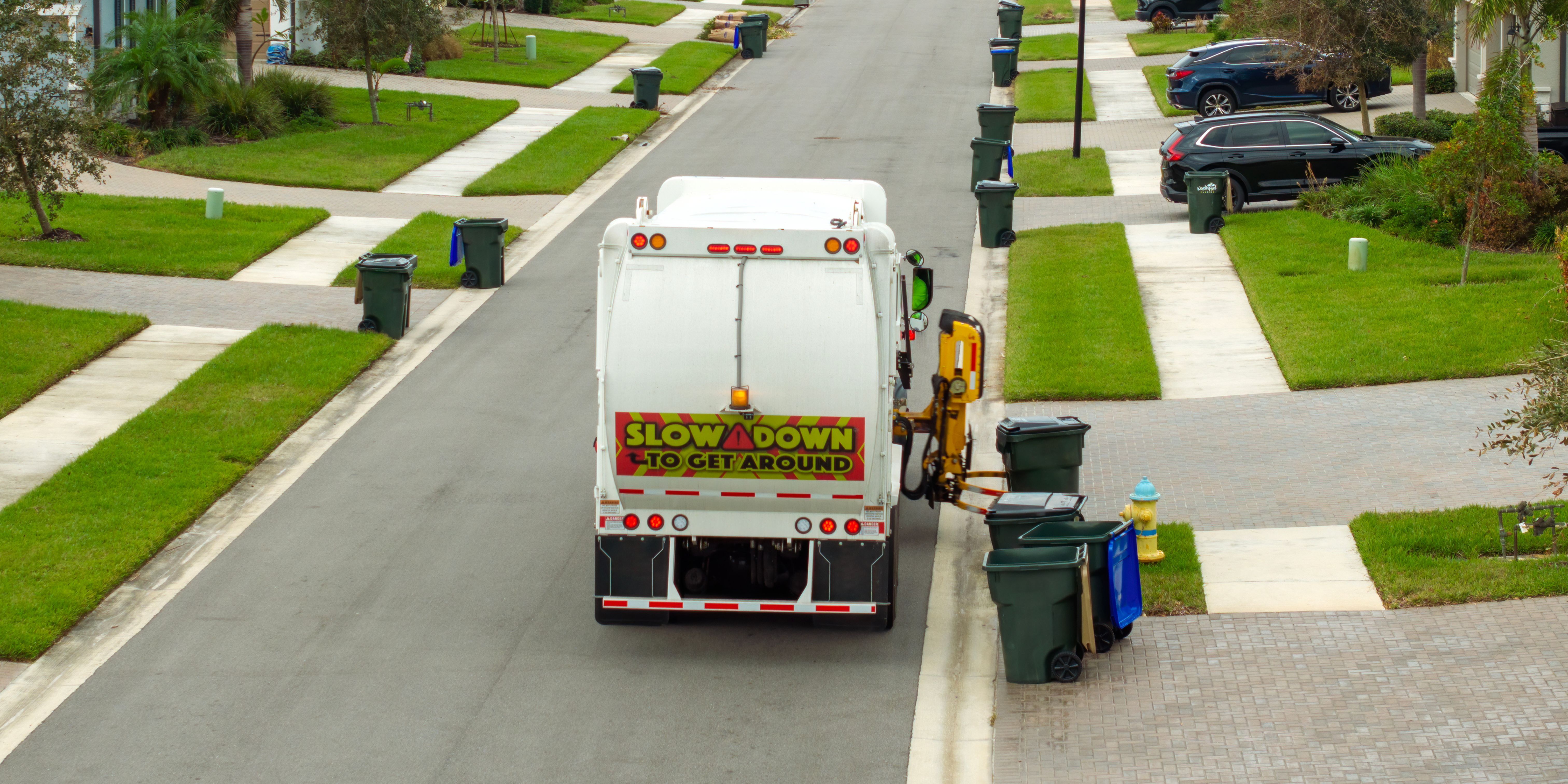
Consider a complaint that a sanitation vehicle skipped a residential pickup. No unsafe incident, but there is proof that the driver either stopped as required or the resident’s complaint is valid. No guessing, just proof video evidence.
Can a fleet camera system aid driver exoneration?
Yes, by showing that the government fleet driver was following all rules of the road as well as established fleet procedure. When a member of the community calls with a complaint, you and your fleet safety teams need to balance taking that complaint seriously with protecting your drivers.
Video evidence proves your fleet drivers perform as expected. When accounts of the incident compete, the footage and telematics system data tell the truth.
Driver exoneration based on fleet camera system footage and telematics data demonstrates that agencies evaluate complaints based on factual incident documentation, not assumptions. That strengthens public trust while reinforcing confidence in the review and fleet incident resolution process.
Why do government fleets need different types of camera coverage?
Because different types of government fleet work in different environments and face different challenges.
A transit agency reviewing a passenger complaint needs different information than a sanitation department responding to a missed collection concern. And a public works fleet investigating damage near a work zone needs answers to different questions than a utility vehicle involved in a traffic incident.
Different dash cams and vehicle camera system configurations are needed to capture the footage to protect that type of government fleet. Regardless of the event, the objective remains consistent: establish the facts, document findings, and support decisions with evidence.
What should government fleets look for in a video monitoring system?
The most effective vehicle camera systems support investigative requirements, operational requirements, and accountability requirements.
- Video retention should align with reporting timelines, claims processes and agency procedures.
- Secure cloud storage simplifies footage management and retrieval across large fleets.
- Cellular connectivity should be backed up with multi-satellite connectivity to ensure availability.
- Access controls should define who can retrieve, review, export, and share footage.
- Integration with GPS tracking, telematics systems, and fleet management software improves retrieval workflows and streamlines investigations.
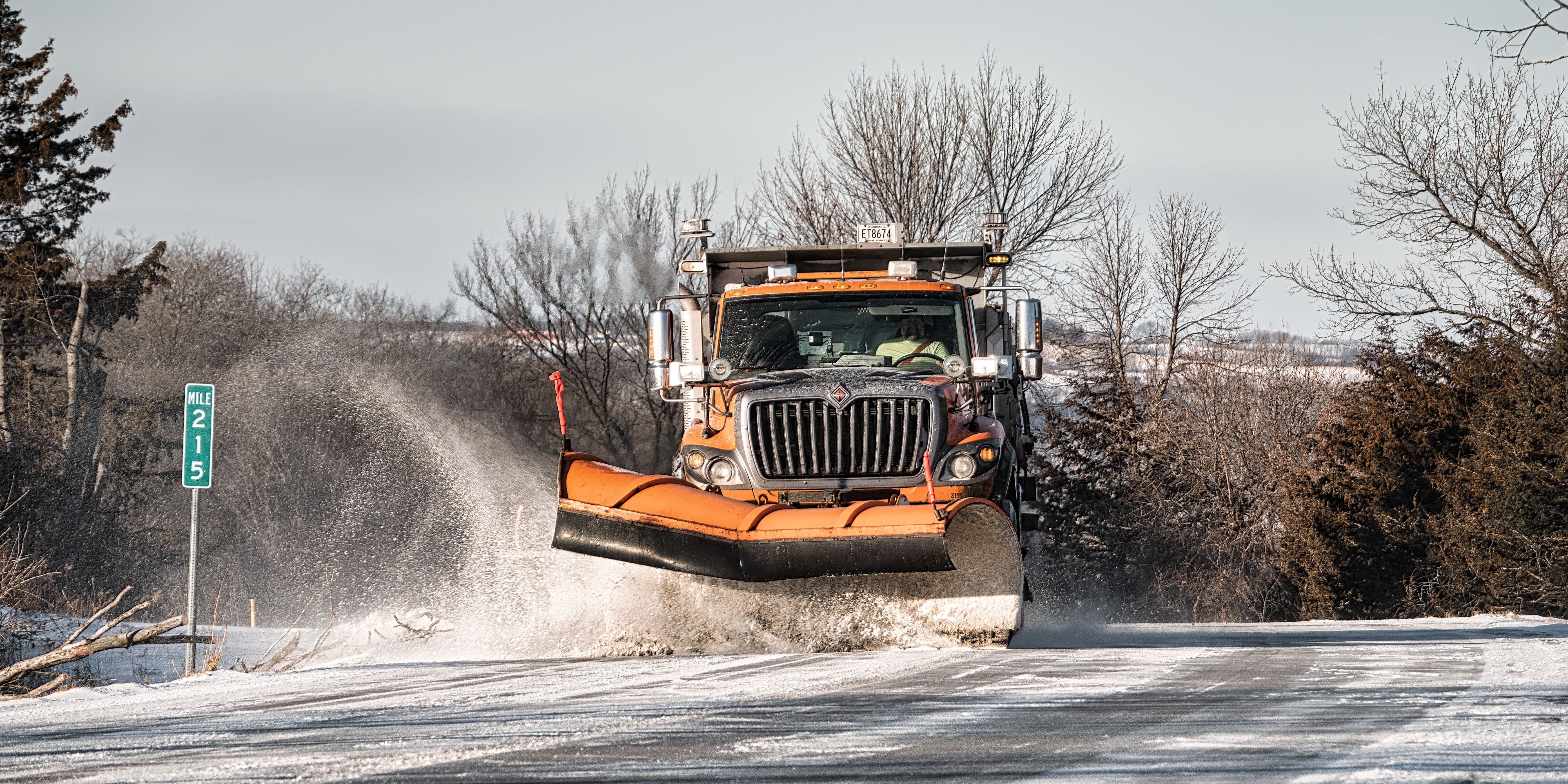
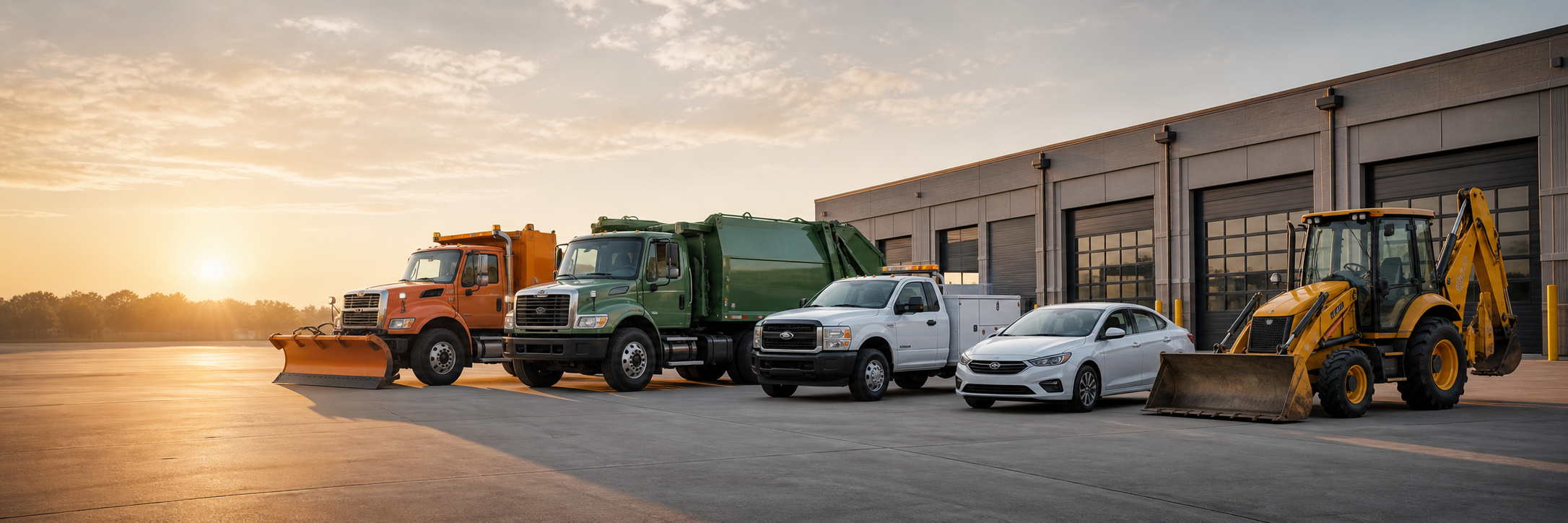
Government fleets should also carefully evaluate camera coverage requirements. Unlike for-profit commercial fleets, government fleets often support multiple departments, vehicle classes, and operating environments. Camera coverage that works well for a light-duty administrative vehicle may not provide sufficient visibility for specialized and mixed-fleet vehicles such as a snowplow, utility truck, transit vehicle, refuse vehicle, or public works unit.
Selecting the right camera configuration matters just as much as selecting the vehicle camera system itself.
Which camera configurations support government fleet investigations?
Different camera systems capture different perspectives. Understanding those differences helps agencies select coverage that aligns with investigative needs and operational requirements.
- Forward-facing dash cams capture roadway conditions, traffic activity, vehicle movement, and events occurring ahead of the vehicle. This footage helps establish timelines, document road conditions, and clarify how an incident unfolded.
- Dual-facing dash cams combine a forward-facing view with interior vehicle footage. This configuration records roadway activity while also documenting activity inside the vehicle. Agencies often use dual-facing cameras when reviewing citizen complaints, operator interactions, and certain internal investigations.
- Auxiliary cameras provide visibility beyond the forward field of view. Depending on fleet requirements, agencies may deploy side cameras, rear-facing cameras, cargo-area cameras, equipment-mounted cameras, or cameras focused on specialized operational areas. These additional perspectives document backing incidents, blind-spot activity, loading and unloading operations, equipment movement, and interactions occurring around the vehicle.
The best camera configuration depends on how vehicles are used, where they operate, and what types of incidents agencies most commonly investigate.
How does video telematics improve investigations?
Video footage becomes significantly more valuable when paired with a video telematics solution. By connecting vehicle camera systems with GPS tracking, telematics data, and fleet management software, agencies can review footage alongside vehicle location, route history, speed, timestamps, and other operational data.
This integrated approach reduces search time, improves context, and supports faster investigations. Rather than reviewing video in isolation, investigators can evaluate footage within the broader context of vehicle activity and fleet operations.
Build trust with a proven driver monitoring system.
Government fleets operate under a level of scrutiny that few commercial fleets experience. When incidents occur, agencies are expected to determine what happened, document their findings, and explain how decisions were reached. That responsibility extends beyond claims reviews and internal investigations. It affects public trust, accountability, and confidence in the services agencies provide every day.
Vehicle camera systems give fleet managers and investigators something every review depends on: reliable evidence. Video footage strengthens incident documentation, speeds fact finding, supports driver exoneration when claims are unfounded, and helps agencies defend conclusions with confidence.
The most effective programs go a step further by combining vehicle camera systems with video telematics and driver safety solutions. Together, these technologies provide the visibility needed to investigate incidents, identify operational concerns, reinforce safe driving practices, and build a stronger culture of accountability across the fleet.
For government agencies, the goal is creating a documented, evidence-based foundation for better decisions, safer operations and greater trust in the work fleet vehicles perform every day.
Ready to learn more?
See how Zonar's driver coaching, fleet safety and video telematics solutions help government fleets document incidents, investigate claims, and support accountability across fleet operations.
Read also