Video telematics and dash cam systems can help fleet teams improve visibility into what happens on the road. By combining camera footage with telematics data, these systems can give fleet managers more context around safety events, driver behavior, route activity, and incident review.
For businesses that rely on drivers every day, video telematics can support safety programs, coaching, claims review, and operational decision-making. The value depends on how the system is implemented, how drivers are trained, and how consistently managers use the data.
What Are Video Telematics and Dash Cam Systems?
Video telematics systems combine vehicle cameras with fleet data such as GPS location, speed, braking, acceleration, and driver behavior events. Depending on the configuration, cameras may face the road, the driver, or both.
When an event occurs, such as harsh braking, sudden acceleration, a collision, or a driver distraction alert, the system can capture video and data around that event. Fleet managers can then review the footage to better understand what happened and decide whether coaching, policy follow-up, or additional investigation is needed.
Why video context matters
Telematics data can show that an event occurred, but video can help explain why it happened. For example, a hard braking event may indicate risky driving, or it may show that a driver reacted appropriately to avoid a hazard. That added context can make coaching and incident review more accurate.
Will the Benefits Outweigh the Costs?
Many fleets consider video telematics because they want to improve safety, reduce uncertainty after incidents, and make better use of driver behavior data. Cost is an important part of that evaluation, but it should be weighed against the operational problems the system is expected to solve.
Fleet teams should consider hardware, installation, subscription costs, support, training, policy development, driver communication, and internal review workflows. They should also evaluate how the system may support safety coaching, incident documentation, claims management, productivity review, and customer service.
ROI will vary by fleet. The strongest business case usually comes from clearly defining the use cases, setting measurable goals, and making sure managers have a process for reviewing and acting on the data.
Supporting Incident and Claims Review
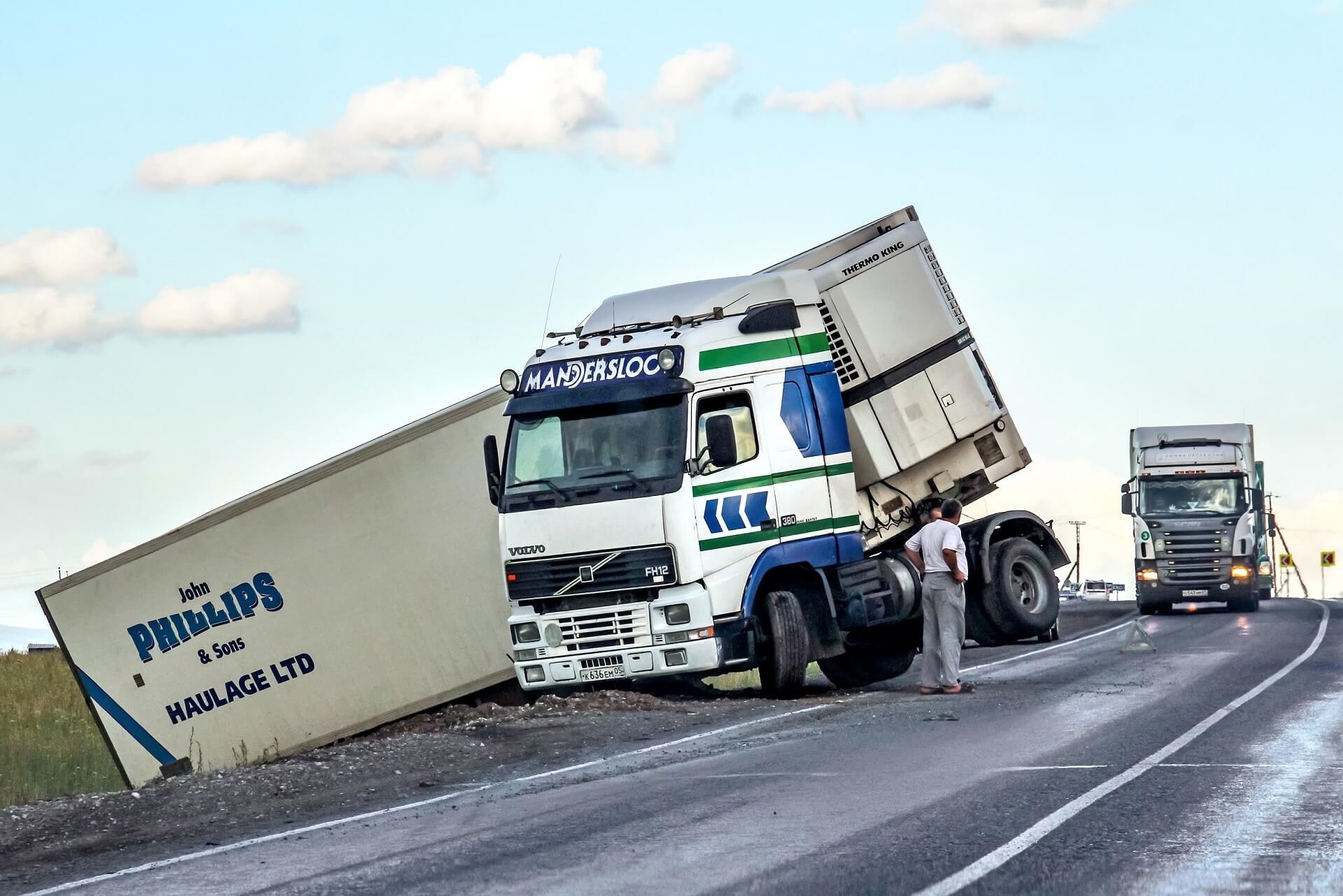
Accidents, complaints, and liability claims can create significant costs for fleets. Video telematics can help by providing additional documentation around what happened before, during, and after an event.
Footage may help fleet teams understand whether a driver was responding to traffic, weather, road conditions, another vehicle, or a preventable behavior. In some cases, video may help clarify disputed events. In other cases, it may help a company respond more quickly and appropriately when follow-up is needed.
Video telematics should not be viewed as a guarantee against claims, lawsuits, or insurance cost increases. Instead, it should be part of a broader safety and risk management program that includes driver training, clear policies, regular coaching, and documented incident review.
Protecting Brand Reputation
Drivers often represent a company in public. Their behavior on the road, at customer sites, and during service interactions can affect how the business is perceived.
Video telematics and driver behavior data can help fleet teams review incidents, customer complaints, unsafe driving patterns, or vehicle-use concerns with more context. This can support fairer follow-up conversations and help managers address issues before they become larger problems.
Any use of driver-facing cameras should be supported by clear communication and policy. Drivers should understand what is recorded, when footage is reviewed, who has access, how long it is retained, and how the information will be used.
Improving Fleet Safety
One of the most important reasons to consider video telematics is safety. Dash cam systems can help managers identify risky behaviors such as speeding, distraction, close following, harsh braking, or failure to wear a seat belt, depending on the system and configuration.
When combined with coaching, scorecards, and consistent manager follow-up, video telematics can help reinforce safer driving habits. The goal is not only to review incidents after they happen, but to identify patterns that may need attention earlier.
Video telematics is most effective when it is part of a safety culture. Drivers should receive clear expectations, timely feedback, and recognition for safe driving, not just corrective coaching when something goes wrong.
Improving Fleet Efficiency
Video telematics can also support operational efficiency when combined with GPS tracking and fleet reporting. Managers can review route activity, unexpected stops, delays, arrival times, and vehicle-use patterns.
If a driver takes longer than expected to reach a destination, makes an unplanned stop, or deviates from a route, fleet data and video context can help managers understand what happened. The cause may be traffic, customer delays, weather, a safety concern, or a process issue that needs to be addressed.
This visibility can help teams improve routing, strengthen dispatch communication, verify service activity, and reduce time spent investigating incomplete or conflicting information.
What to Review Before Implementing Video Telematics
Before rolling out video telematics, fleet teams should define their goals and internal process. Important questions include:
- Camera configuration: Will the fleet use road-facing cameras, driver-facing cameras, or both?
- Event review: Who will review clips, how often, and what events will require follow-up?
- Driver communication: How will drivers be informed about recording, coaching, and privacy policies?
- Data retention: How long will footage be stored, and who can access it?
- Coaching workflow: How will managers use video clips to coach consistently and fairly?
- Integration: How will video connect with GPS tracking, driver behavior reports, and fleet management tools?
How Zonar Can Help
Zonar’s video telematics solutions help fleet teams bring safety events, driver behavior, and vehicle activity into clearer view. With video context, telematics data, and fleet visibility, teams can support coaching, review incidents more effectively, and make more informed decisions across daily operations.
To learn how Zonar can support your fleet safety and video telematics goals, contact the Zonar team.