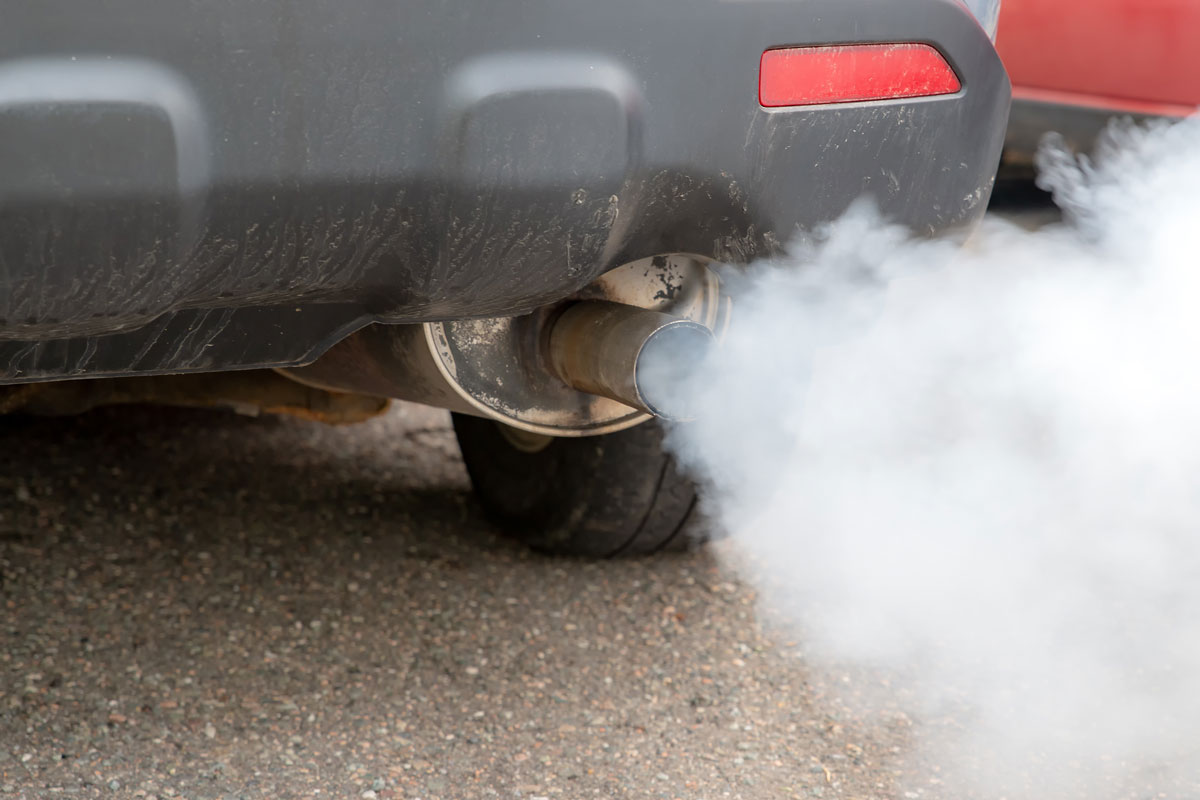
Idling may seem like a harmless habit, but it can quietly increase fuel costs, vehicle wear, and emissions across a fleet. For a single vehicle, a few minutes may not seem like much. Across dozens or hundreds of vehicles, those minutes add up quickly.
Reducing unnecessary idle time is one of the more practical ways fleet teams can improve efficiency. With the right data, managers can identify where idling happens, coach drivers, and build policies that reduce wasted fuel without disrupting daily operations.
How much fuel does idling waste?
Idling uses fuel without moving the vehicle, which means the fleet is spending money without completing productive work. Industry estimates suggest that idling across the transportation sector can waste billions of gallons of fuel each year, creating significant cost and emissions impacts for vehicle owners and operators.
"Each year, U.S. passenger cars, light-duty trucks, and medium- and heavy-duty vehicles consume more than 6 billion gallons of fuel…without even moving." U.S. Department of Energy / Argonne National Laboratory
Idle-Free California estimates that many vehicles can use close to one gallon of fuel per hour while idling. The exact amount depends on vehicle type, engine size, fuel type, load, temperature, and whether accessories such as air conditioning or auxiliary systems are running.
Small habits can create large fleet costs.
For an individual vehicle, a few minutes of idling may not look like a major expense. But when the same behavior happens across a full fleet every day, the cost becomes more visible. Delivery stops, service calls, warmups, waiting time, and driver breaks can all contribute to unnecessary fuel use if idling is not monitored and managed.
See also: Three ways to increase fuel efficiency during PTO use
Why does idling affect more than fuel spend?
Fuel cost is usually the most obvious impact of idling, but it is not the only one. Excessive idling can also contribute to engine wear, increase maintenance needs, and reduce overall operating efficiency.
For fleets that track sustainability goals or emissions reporting, idle time can also create avoidable emissions. Every gallon of gasoline or diesel burned produces greenhouse gas emissions, so reducing unnecessary idle time can support both cost-control and environmental goals.
How can fleet managers reduce idling?
The first step is visibility. A fleet management system like Zonar Ignition™ shows fleet managers see how long vehicles idle, where idling occurs, and which vehicles or routes may need attention.
Once managers understand the pattern, they can build more specific policies and coaching programs.
That may include:
-
Setting idle-time thresholds
-
Reviewing exceptions by vehicle type or job function
-
Training drivers on when to shut engines off
-
Using reports to identify recurring opportunities for improvement
Idle-reduction programs work best when they account for real operating needs. Some vehicles may need to idle for safety, power, temperature control, or equipment operation.
The goal is not to eliminate all idling in every situation, but to reduce unnecessary idling where practical.
How to use data to coach drivers and track progress?
Driver coaching is more effective when it is based on clear data. Instead of relying on general reminders, fleet managers can use idle-time reports to show where fuel is being wasted and how small behavior changes can improve results.
Teams can also track improvement over time. Reviewing idle-time trends by driver, vehicle, route, or location can help managers understand whether policies are working and where additional coaching may be needed.
How can Zonar fleet management help?
Zonar helps fleet teams bring vehicle, driver, and operational data into clearer view. With better visibility into idle time, fuel use, driver behavior, and vehicle activity, managers can make more informed decisions about efficiency, safety, maintenance, and cost control.
To learn how Zonar can help your fleet reduce unnecessary idling and improve operational visibility, contact the Zonar team.