Ensuring Safety Around Power Lines With Fleet Tracking
Power lines are essential infrastructure, but they can create serious safety risks for utility crews, vegetation management teams, tree care companies, construction crews, and other field service workers. When work happens near energized lines, teams need clear procedures, trained workers, accurate location information, and strong communication between the office and the field.
Fleet tracking cannot replace safety training, qualified personnel, or regulatory compliance. However, it can give managers better visibility into where vehicles and crews are working, how field activity is progressing, and whether teams are operating in the right locations.
Why Power Line Safety Matters
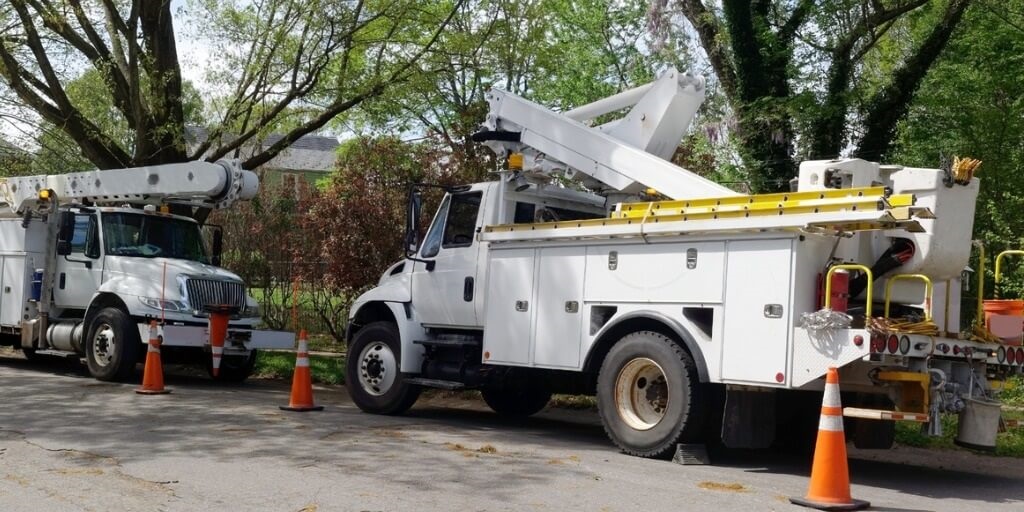
Work near power lines can expose crews to electrical hazards, falling branches, equipment movement, traffic, weather, and changing site conditions. For tree trimming and utility support teams, even routine work can become dangerous if crews, vehicles, tools, or equipment get too close to energized lines.
Storms, high winds, and fallen trees can also create urgent response needs. When branches or trees contact power lines, crews may need to respond quickly while maintaining safe clearance, coordinating with utilities, and following established procedures.
Location context can support safer field work
Fleet tracking helps managers understand where crews are, which vehicles are closest to a work site, and how field activity is distributed. That location context can support dispatching, auditing, emergency response, and job-site documentation.
Why Tree Trimming Near Power Lines Is Regulated
Vegetation management near power lines is subject to safety and reliability requirements. Utilities and contractors may need to maintain required clearance between trees and transmission or distribution lines, depending on the line type, voltage, location, and applicable standards.
These requirements exist because vegetation contact with power lines can create outages, fires, equipment damage, and serious worker-safety risks. Companies that perform vegetation management should make sure workers are properly trained and that work is performed according to applicable safety rules, utility requirements, and job-site procedures.
Requirements can vary by jurisdiction, utility, contract, and type of work. Companies should review current OSHA rules, utility standards, vegetation management requirements, and qualified-worker expectations with appropriate safety and compliance resources.
Why Auditors Monitor Power Line Safety
Power line maintenance and vegetation management are high-risk activities. Auditors, safety managers, utilities, and regulatory agencies may review whether companies have appropriate procedures in place for working near energized lines.
That review may include training records, job-site documentation, vehicle location history, work orders, inspection activity, and evidence that crews followed required processes. Fleet tracking data can help support this documentation by showing where vehicles were, when they arrived, how long they were on site, and how field activity was coordinated.
RG Tree, a Zonar customer, uses GPS tracking to help coordinate auditors who inspect tree-clearing work and verify field service activity. For organizations that manage crews across many job sites, this kind of visibility can make it easier to understand where work is happening and how teams are progressing.
How Fleet Tracking Supports Power Line Work
Fleet tracking can support power line safety by improving visibility into crew locations, vehicle movement, route activity, and job-site coverage. When managers know where vehicles are, they can make more informed dispatching and coordination decisions.
For example, a manager may use fleet tracking to identify the closest qualified crew to a reported issue, confirm whether a vehicle arrived at a work zone, or review how long a team spent at a site. This can be especially useful during outages, storm response, emergency work, and scheduled vegetation management.
Using Geofences Around High-Priority Locations
Geofences can help fleet teams monitor activity around important locations, such as substations, utility corridors, job sites, staging areas, yards, or restricted zones. When a vehicle enters or exits a geofenced area, the system can log the event or trigger an alert.
This can help managers verify site visits, monitor crew movement, and identify unusual activity. Geofences can also support documentation when teams need to confirm that work was performed at a specific location or that vehicles stayed within assigned areas.
Improving Emergency Response and Dispatching
During outages or storm events, response time and coordination matter. Fleet tracking can help dispatchers identify which vehicles are available, where crews are located, and which team may be best positioned to respond.
Location visibility can also reduce the need for repeated phone calls to field teams. Instead of asking every crew where they are, dispatchers can review vehicle locations and make more informed assignments.
Supporting Driver and Crew Accountability
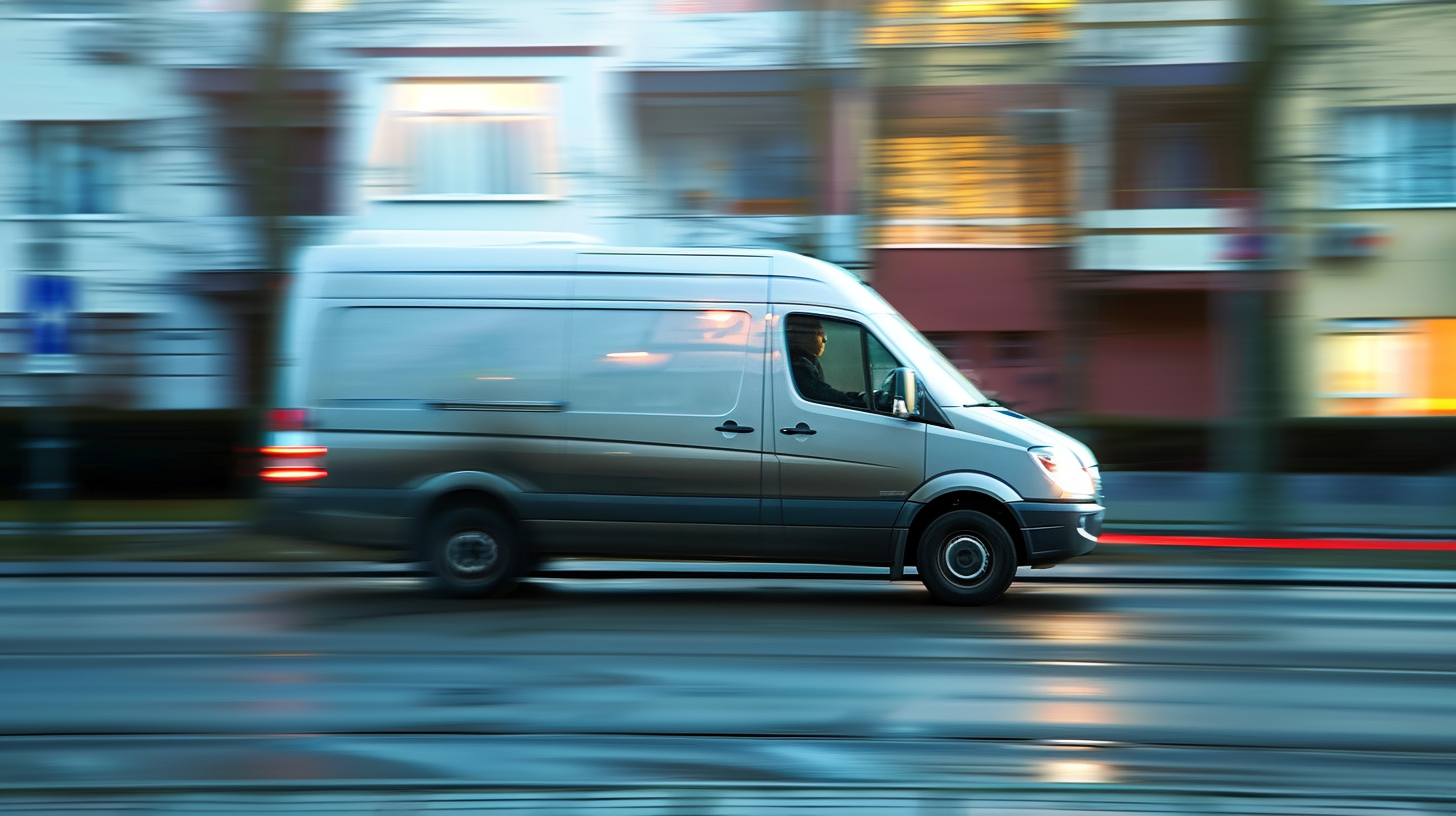
Power line work often involves multiple teams, vehicles, and job sites. Fleet tracking can help managers review route history, arrival and departure times, idle time, and other vehicle activity that supports accountability.
Driver behavior data can also help identify patterns such as speeding, harsh braking, rapid acceleration, or unauthorized vehicle movement. When used consistently and fairly, this information can support coaching and reinforce safe driving expectations for crews traveling between sites.
What Fleet Teams Should Review
Before using fleet tracking as part of a power line safety or vegetation management workflow, companies should define what information they need and how it will be used.
- Crew location: Determine how managers will use vehicle location data to dispatch crews and confirm job-site activity.
- Geofences: Identify which yards, utility corridors, job sites, or restricted areas should be monitored.
- Driver safety: Review how speeding, harsh braking, and other driver behavior data will support coaching.
- Documentation: Decide which reports may be needed for audits, customer requirements, or internal reviews.
- Emergency response: Create procedures for using fleet visibility during outages, storm response, or urgent service calls.
- Compliance: Confirm that field work, training, and safety procedures align with applicable rules and utility requirements.
How Zonar Can Help
Zonar helps utility, tree care, field service, and fleet teams bring vehicle, driver, asset, and operational data into clearer view. With fleet management, GPS tracking, geofencing, reporting, alerts, and driver visibility tools, Zonar can help organizations coordinate field crews, document activity, and make more informed decisions across daily operations.
Fleet tracking is one part of a broader safety program. Work near power lines should always be performed by properly trained and qualified personnel following applicable safety procedures and regulatory requirements.
To learn how Zonar can support your fleet visibility and field service operations, contact the Zonar team.