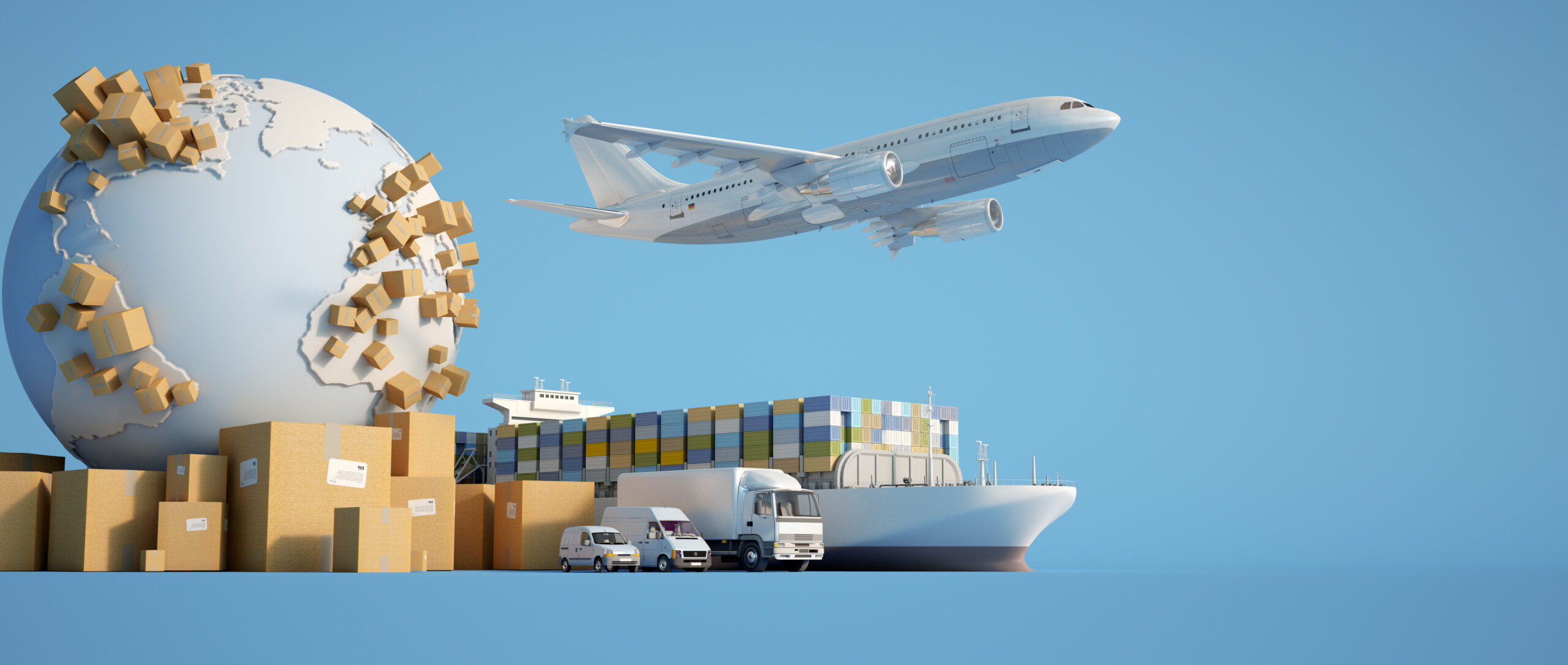
Fleet management and logistics are closely connected, but they are not the same thing. Fleet management focuses on the vehicles, drivers, assets, maintenance, safety, compliance, and performance of a company’s fleet. Logistics focuses on how goods, people, equipment, inventory, or services move from one place to another.
When these two functions work together, businesses can improve route planning, reduce wasted miles, control fuel consumption, support driver safety, and give customers better information about service or delivery timing. For companies that rely on commercial vehicles, field services, last-mile delivery, passenger transportation, construction, utilities, or public sector operations, fleet management is a critical part of logistics planning.
What are logistics and fleet management?
Logistics
Logistics is the broader process of planning, coordinating, and managing movement across a business or supply chain. It may include transportation, warehousing, inventory management, dispatching, route optimization, delivery timing, customer communication, and resource allocation.
Fleet management
Fleet management is more specific. It involves managing the vehicles, drivers, equipment, telematics data, maintenance programs, safety workflows, and operating costs that keep a fleet moving. A fleet may include trucks, vans, buses, trailers, service vehicles, off-road assets, electric vehicles, or other mobile equipment.
Where they overlap
Logistics teams need accurate fleet data to make good decisions. If managers do not know where vehicles are, how they are being used, whether drivers are available, or which assets need maintenance, logistics plans can quickly become outdated.
How does fleet management support logistics?
Logistics teams depend on accurate, timely information about vehicles, drivers, routes, schedules, assets, and service commitments. Fleet management software and telematics can provide that visibility by showing where vehicles are, how they are being used, whether driver behavior needs attention, and which vehicles may require maintenance before downtime affects the operation.
With that information teams make better decisions about dispatching, service coverage, route changes, customer updates, regulatory compliance, cost control, and resource allocation. The goal is to use fleet data to make logistics more predictable, efficient, and responsive.
See also: Best practice for implementing fleet telematics
1. Real-time visibility for dispatch and planning
Without reliable fleet data, logistics decisions often depend on phone calls, manual updates, or outdated reports. Real-time visibility gives dispatchers and managers more context when plans change, customer needs shift, traffic slows a route, or a vehicle is delayed.
GPS fleet tracking
With GPS tracking, vehicle tracking, and telematics, teams can see where fleet vehicles and assets are throughout the workday. This can help managers assign the closest available vehicle, avoid unnecessary backtracking, reduce time spent looking for equipment, and respond more quickly when a job, route, or delivery needs attention.
Fleet telematics
For fleets that need deeper vehicle data, fleet telematics devices connect vehicle location with diagnostic, activity, performance, and engine data. That broader view helps fleet and logistics teams understand not just where a vehicle is, but how it is performing and whether it is ready for the next assignment.
See also: Tethered vs. Untethered Tracking
2. Route planning and route optimization
Route planning
Route planning is one of the clearest ways fleet management supports logistics. Better visibility into vehicle location, job status, route history, and driver availability can help managers reduce unnecessary miles, avoid inefficient dispatching, and make smarter use of available vehicles.
For example, a fleet may be able to identify routes that overlap, vehicles that are traveling farther than necessary, crews that can be reassigned to nearby work, or service territories that need a different operating model. In some cases, better route planning can help teams serve the same customer base with fewer miles driven.
Route optimization
Route optimization also supports customer satisfaction. When dispatchers have more accurate information about vehicle location and route progress, they can provide better updates about arrival times, delivery windows, service status, and delays. That is especially important for last-mile delivery, field services, transit, pupil transportation, utilities, construction, and other route-based operations.
3. Driver safety, behavior and compliance
Safety and reliability are important parts of both fleet management and logistics. A route plan is only useful if it can be completed safely, legally, and consistently.
-
Fleet management systems can help teams review driver behavior, speeding, harsh braking, rapid acceleration, idling, vehicle performance, and other factors that may affect safe and timely service.
-
Driver management tools can also help managers coach more effectively. Instead of relying only on complaints or after-the-fact reports, teams can use objective fleet data to identify trends, recognize strong performers, automate performance improvement plans, and address risky habits before they become larger safety or reliability issues.
-
For regulated commercial fleet operations, ELD and hours-of-service data can also influence logistics planning. If a driver is close to an hours-of-service limit, dispatchers need that information before assigning another route or delivery.
Better visibility can help teams plan work around regulatory compliance instead of discovering conflicts too late.
See also: Reduce speeding tickets with HD footage and full context
4. Maintenance, vehicle performance, and uptime
Logistics plans depend on vehicles being available when they are needed. If a truck, van, bus, or piece of equipment breaks down unexpectedly, the impact can ripple across routes, schedules, labor planning, customer commitments, and service coverage.
Fleet management
Fleet management helps logistics teams reduce that uncertainty by connecting maintenance planning with vehicle performance data. Diagnostics, inspection results, fault codes, maintenance reminders, and vehicle health alerts can help managers identify issues earlier and prioritize repairs based on operational impact.
Predictive maintenance
Predictive analytics and predictive maintenance platforms can also help teams move from reactive maintenance to more proactive planning. Instead of waiting for a failure, fleet teams can use real-time insights, service history, and diagnostic trends to anticipate which vehicles may need attention. That can support better uptime, fewer disruptions, and more reliable logistics planning.
See also: Save costs with data-driven, AI-powered predictive insights
5. Fuel consumption, cost control, and environmental impact
Fuel is one of the most visible operating costs in fleet logistics. Wasted miles, excessive idling, inefficient routing, speeding, poor driver habits, and underused vehicles can all increase fuel consumption and reduce fleet efficiency.
Fleet management data can help teams understand where fuel is being used, which routes or behaviors may be driving higher costs, and where operational changes could improve fuel efficiency. Tools such as fuel analytics and efficiency tracking can help managers review driver habits, vehicle variables, route conditions, idling, and other factors that affect fuel management.
Fuel efficiency also matters for environmental impact. Reducing unnecessary mileage and idle time can help lower emissions and carbon footprint. For fleets adding electric vehicles, logistics planning may also need to account for charging availability, range, route design, vehicle assignment, and energy usage.
See also: The data-driven guide to reducing fleet fuel costs
6. Better customer communication
Customer communication depends on knowing what is happening in the field. With real-time tracking, route progress, and service activity, teams can provide more accurate updates when customers ask about arrival times, delivery windows, job status, or delays, using a single field service management software solution.
For delivery, field service, landscaping, plumbing, construction, utility, transit, and other mobile operations, this information can reduce uncertainty and improve the customer experience. Instead of saying a driver is “on the way” without context, teams can use fleet data to provide more useful updates and respond quickly when something changes.
Over time, better fleet visibility can also help managers identify recurring customer service issues. If a route is consistently late, a service area is understaffed, or a vehicle is frequently unavailable, logistics teams can use the data to improve planning instead of reacting to the same problems repeatedly.
7. Asset, equipment and inventory visibility
Logistics is not only about vehicles. Many organizations also need to manage trailers, tools, containers, off-road equipment, service parts, and other assets. If teams do not know where critical equipment is, work can slow down even when drivers and vehicles are available.
Asset utilization
Asset and equipment visibility can help logistics teams improve utilization, reduce yard hunts, protect high-value assets, and keep field teams supplied with what they need.
Fleet inventory management
Asset and equipment tracking can also support better inventory management by helping teams understand where assets are located, whether they are stationary or moving, and how they are being used across the operation.
What to look for in fleet management software for logistics
The right fleet management software should help teams connect day-to-day vehicle activity with broader logistics goals.
Useful capabilities may include:
-
GPS tracking
-
Real-time visibility
-
Driver behavior data
-
Vehicle diagnostics
-
Maintenance reporting
-
Fuel efficiency tools
-
Compliance support
-
Route history
-
Dashcams
-
Asset tracking
-
Customizable reporting
For larger operations, APIs and integrations may also matter. Logistics data often needs to move between systems such as transportation management platforms, enterprise resource planning tools, maintenance systems, dispatch software, customer communication tools, and reporting dashboards.
Raw fleet data is only useful when it's actionable. Custom fleet reports can help managers monitor on-time performance, driver safety, asset utilization, inspections, KPIs, and other metrics that connect fleet activity with logistics performance.
Connecting fleet management and logistics
Fleet management and logistics work best when they share the same operational picture. Dispatchers, fleet managers, maintenance teams, drivers, executives, and customer service teams all benefit from accurate information about vehicles, assets, routes, drivers, and schedules.
That shared view can help teams improve route planning, reduce unnecessary miles, control costs, strengthen safety programs, maintain regulatory compliance, and keep customers better informed. It can also help organizations move from reactive decision-making to a more proactive operating model based on real-time insights and historical trends.
How can Zonar fleet management and telematics help?
Zonar Ignition™ helps fleet teams bring vehicle, asset, driver, diagnostics, safety, compliance, and operational data into clearer view. With real-time fleet visibility, telematics data, dashboards, maintenance reporting, driver behavior insights, and asset utilization tools, teams can make more informed decisions across daily operations.
For logistics teams, that visibility can support better dispatching, route planning, resource allocation, fuel efficiency, uptime, customer communication, and service reliability. Zonar can also help fleets connect vehicle activity with broader operational planning, whether teams are managing commercial vehicles, public sector fleets, field service vehicles, transit operations, construction assets, or mixed fleets.
To learn how Zonar can support your fleet management and logistics goals, contact the Zonar team.