Electronic logging devices, or ELDs, are an important part of hours-of-service compliance for many motor carriers. But ELD compliance is not a one-time decision. Devices can be reviewed, removed, or revoked by the Federal Motor Carrier Safety Administration, which means fleets need a process for monitoring device status and responding quickly when a provider or device is no longer listed as compliant.
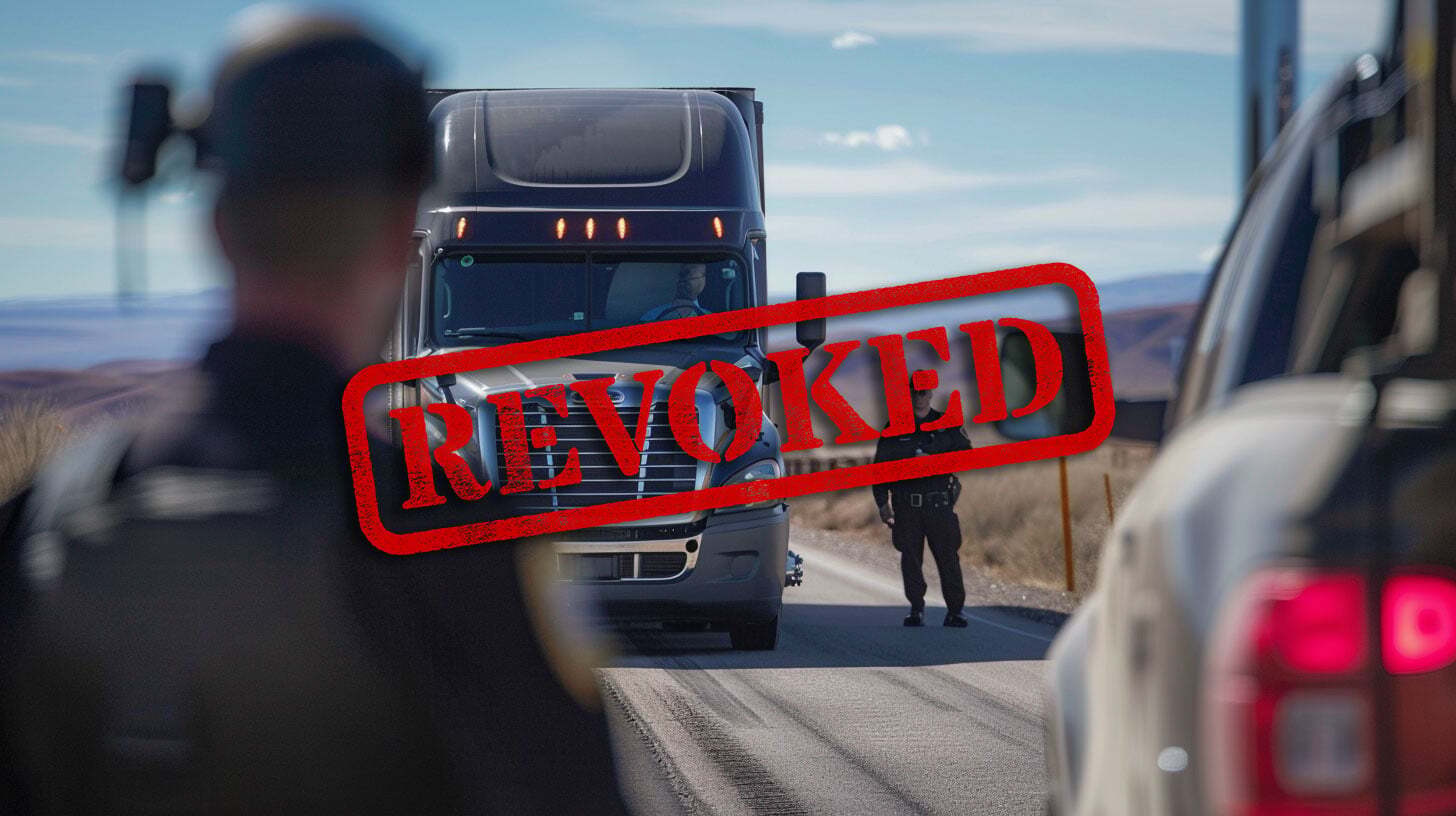
In late 2023, the FMCSA removed multiple ELDs from its Registered Devices List after determining that those devices did not meet required technical specifications. For motor carriers using affected devices, that type of action can create urgent operational and compliance work.
What Happens When an ELD Is Revoked?
When the FMCSA removes an ELD from the Registered Devices List, motor carriers using that device may need to replace it with a compliant option within the timeline provided by the agency. During that transition period, fleets may also need to manage documentation, communicate with drivers, and confirm how hours-of-service records will be maintained.
In the 2023 example, affected devices included CI ELD LOGS, ELD 2 GO, ELD4TRUCKING, ELOG365, Golden ELD, POWERTRUCKS, STEER RIGHT, TruckX-, TST 1, and WORLD TRUCKING. Fleets using any device that has been removed from the registered list should review current FMCSA guidance and take appropriate action.
Why ELD status should be monitored
ELD compliance depends on both the device and how the fleet uses it. A device that was previously listed may not remain listed forever, so fleets should periodically confirm that their ELDs are still registered and appropriate for their operating needs.
Why ELD Compliance Matters
ELDs help many fleets document hours of service and support safer, more consistent driver operations. For businesses with long operating hours, multiple drivers, or complex routes, ELD workflows can help reduce manual recordkeeping and improve visibility into driver availability.
When an ELD is no longer compliant, the issue can affect more than the device itself. It may create administrative work, driver confusion, audit risk, and disruption to dispatching or compliance processes. Having a plan in place can help teams respond more quickly if a device status changes.
How to Respond if Your ELD Is Removed
If your fleet uses an ELD that has been removed from the FMCSA Registered Devices List, start by confirming the agency’s current guidance and transition deadline. Then review which vehicles and drivers are affected, how records will be maintained during the transition, and what replacement options meet your operational requirements.
Fleet teams should also communicate clearly with drivers and administrators. Everyone involved should understand what device is being replaced, when the change will happen, how records should be handled, and who to contact if there are questions.
What to Look for in an ELD Solution
When choosing an ELD solution, fleets should consider more than whether a device is listed. The system also needs to support the way the fleet actually operates.
- HOS workflow support: The system should help drivers and administrators manage hours-of-service records clearly and consistently.
- Usability: Drivers and back-office teams should be able to navigate the platform without unnecessary friction.
- Reporting and records: The system should make it easier to access, review, and share required information when needed.
- Connectivity and alerts: Notifications for potential malfunctions, disconnections, or data issues can help teams respond before small problems become larger ones.
- Operational fit: Fleets should confirm whether the solution supports their vehicle types, routes, regulatory needs, and internal workflows.
Fleet Compliance Requires Ongoing Review
ELD requirements, device status, and operating rules can change. Fleets should regularly review their compliance processes, confirm that devices remain appropriate for their operations, and keep documentation organized for audits or internal reviews.
Technology can support compliance workflows, but it does not replace legal, regulatory, or compliance guidance. Motor carriers should review current FMCSA requirements and consult qualified compliance resources when needed.
How Zonar Can Help
Zonar helps fleet teams bring vehicle, driver, compliance, and operational data into clearer view. With tools that support hours-of-service workflows, reporting, and fleet visibility, Zonar can help teams manage ELD-related requirements and make more informed decisions across daily operations.
To learn how Zonar can support your fleet’s ELD and compliance workflows, explore Zonar’s ELD and HOS compliance solutions or contact the Zonar team.