The Different Types of Trucking Assignments
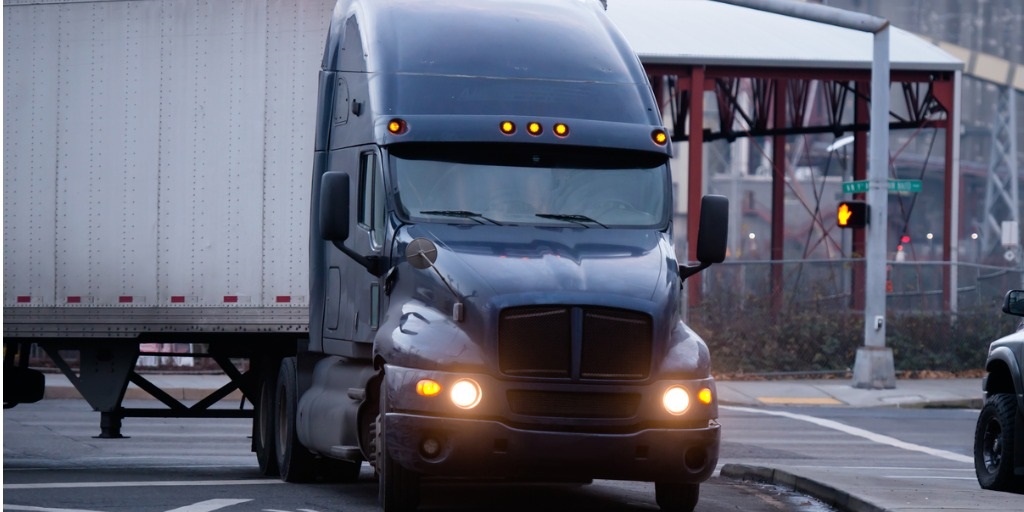
Trucking assignments can vary widely depending on distance, cargo type, delivery schedule, route complexity, and customer expectations. A long-haul carrier, a short-haul delivery fleet, an LTL operation, a hotshot driver, and a last-mile delivery team may all move freight, but they operate under very different conditions.
Understanding these differences helps fleet managers plan routes, manage drivers, set customer expectations, and choose the right tools for visibility, safety, maintenance, and dispatching.
What Is Long-Haul Trucking?
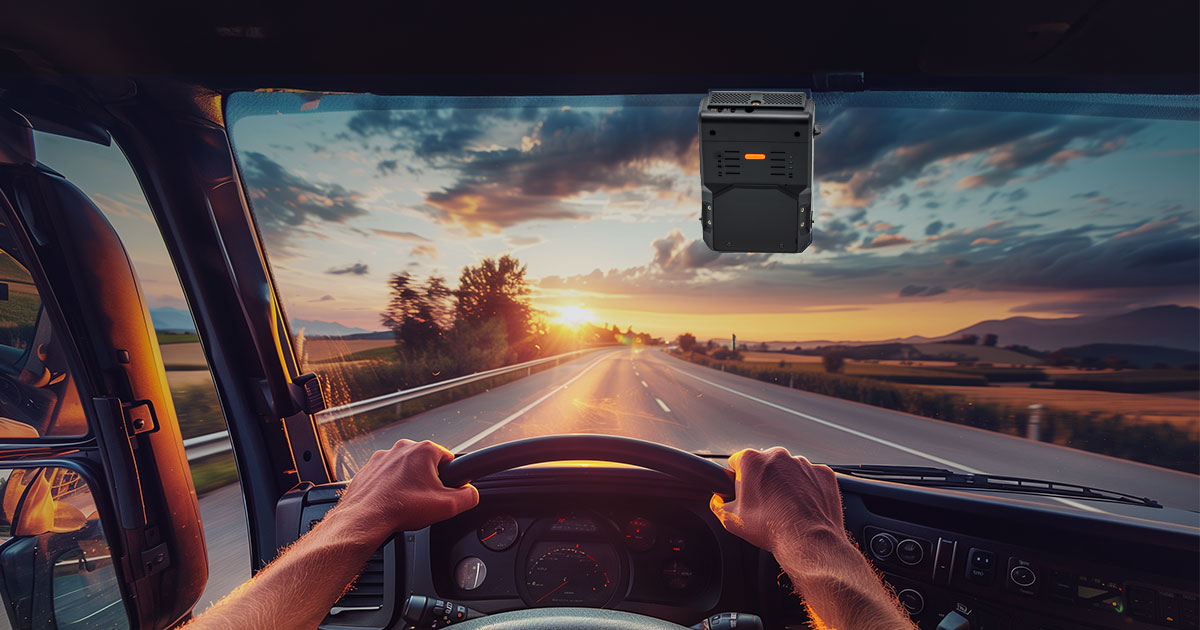
Long-haul trucking, also called over-the-road trucking, generally refers to trips that cover long distances and often require drivers to spend one or more nights away from home. These routes may cross state lines, cover hundreds or thousands of miles, and involve extended time on highways.
Long-haul drivers need to manage trip planning, hours-of-service requirements, rest breaks, weather, fuel stops, parking, inspections, and different rules across operating regions. Some long-distance routes may also use team driving, where two drivers share the vehicle and alternate driving time to keep freight moving within legal and safety requirements.
Different routes create different management needs
Long-haul fleets often need strong visibility into location, driver availability, maintenance status, fuel use, compliance workflows, and estimated arrival times. Small delays can affect delivery windows, customer communication, and asset utilization.
What Is Short-Haul Trucking?
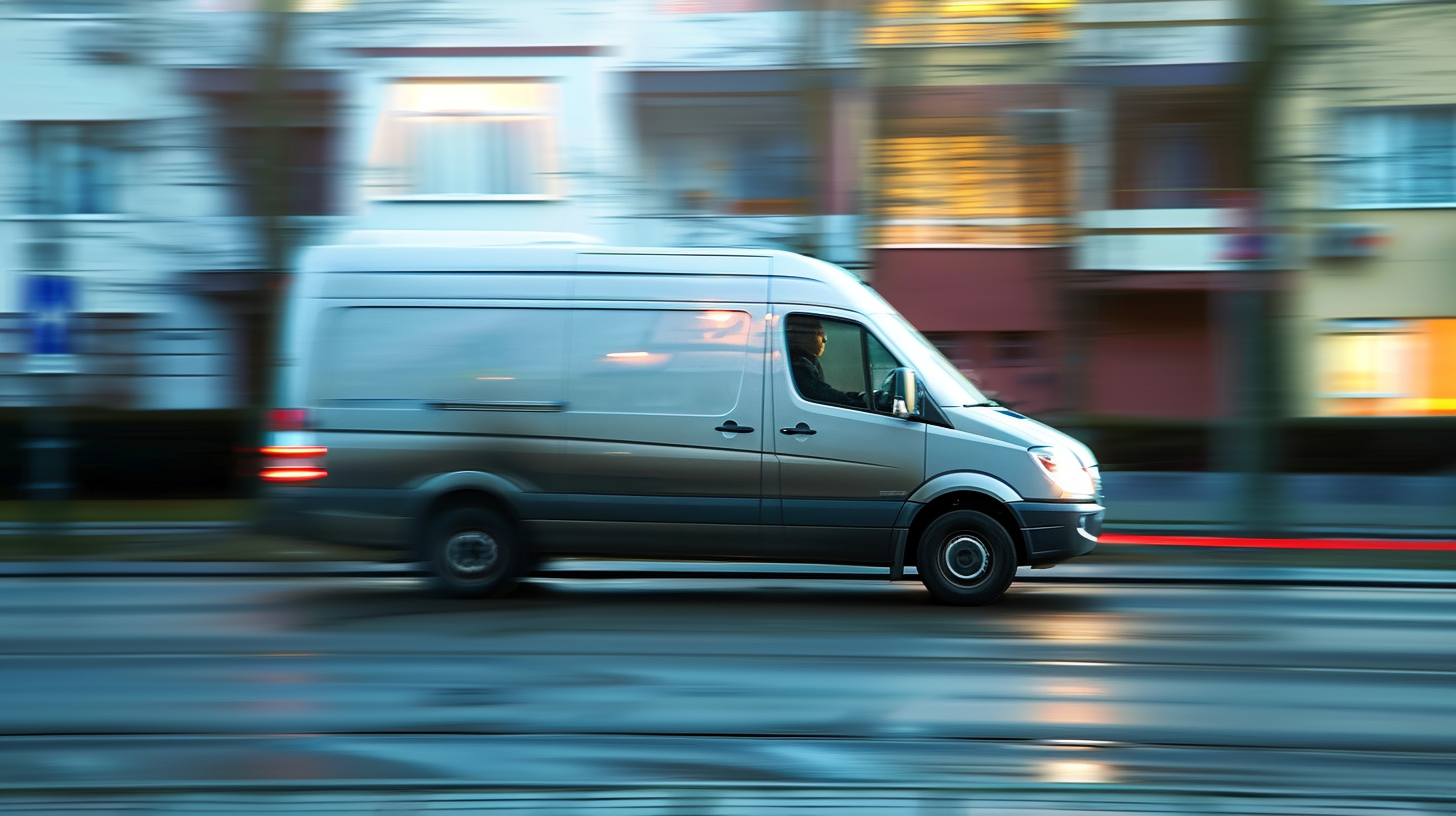
Short-haul trucking usually refers to routes that stay within a smaller geographic area, often within the same region or local market. Drivers may complete multiple pickups or deliveries during a shift and return home at the end of the day.
Short-haul work can be operationally demanding. Drivers may need to navigate city streets, tight delivery areas, loading docks, customer sites, and frequent stops. These routes may involve more stop-and-go driving, more backing, and more customer interaction than long-haul routes.
Some short-haul operations may qualify for different hours-of-service provisions or reporting workflows, but requirements depend on the fleet, route, vehicle type, and jurisdiction. Fleet teams should confirm which rules apply to their operations.
What Is the Difference Between Truckload and LTL?
Truckload shipping, often called full truckload or FTL, typically involves a shipment that uses most or all of a trailer. It may be a good fit when the freight is large, time-sensitive, high value, fragile, or needs to move directly from pickup to delivery without multiple stops.
Less-than-truckload shipping, or LTL, combines freight from multiple shippers on the same truck. LTL can be more cost-effective for smaller shipments, but it requires careful coordination because the driver may make multiple pickups, terminal stops, and deliveries along a planned route.
From a fleet management perspective, FTL and LTL create different visibility needs. FTL may place more emphasis on long-distance tracking and ETA accuracy, while LTL often requires stop-level visibility, route optimization, proof of service, and careful schedule coordination.
What Does a Hotshot Trucker Do?
Hotshot trucking usually involves smaller, time-sensitive loads that need to move quickly. These deliveries may be handled with pickup trucks, flatbed trailers, cargo vans, or other smaller equipment depending on the load and route.
Hotshot drivers are often owner-operators or small carriers that find work through brokers, customers, or load boards. The work can offer flexibility, but it also requires careful management of vehicle costs, insurance, maintenance, fuel, scheduling, and load profitability.
Because hotshot loads are often urgent, visibility and communication are especially important. Customers need to know when the load is picked up, where it is in transit, and when it is expected to arrive.
What Does Last-Mile Delivery Mean?
Last-mile delivery refers to the final stage of moving goods to the customer or end destination. This may involve small packages delivered to homes, service parts delivered to businesses, furniture deliveries, equipment drop-offs, or larger items that require scheduled delivery and installation.
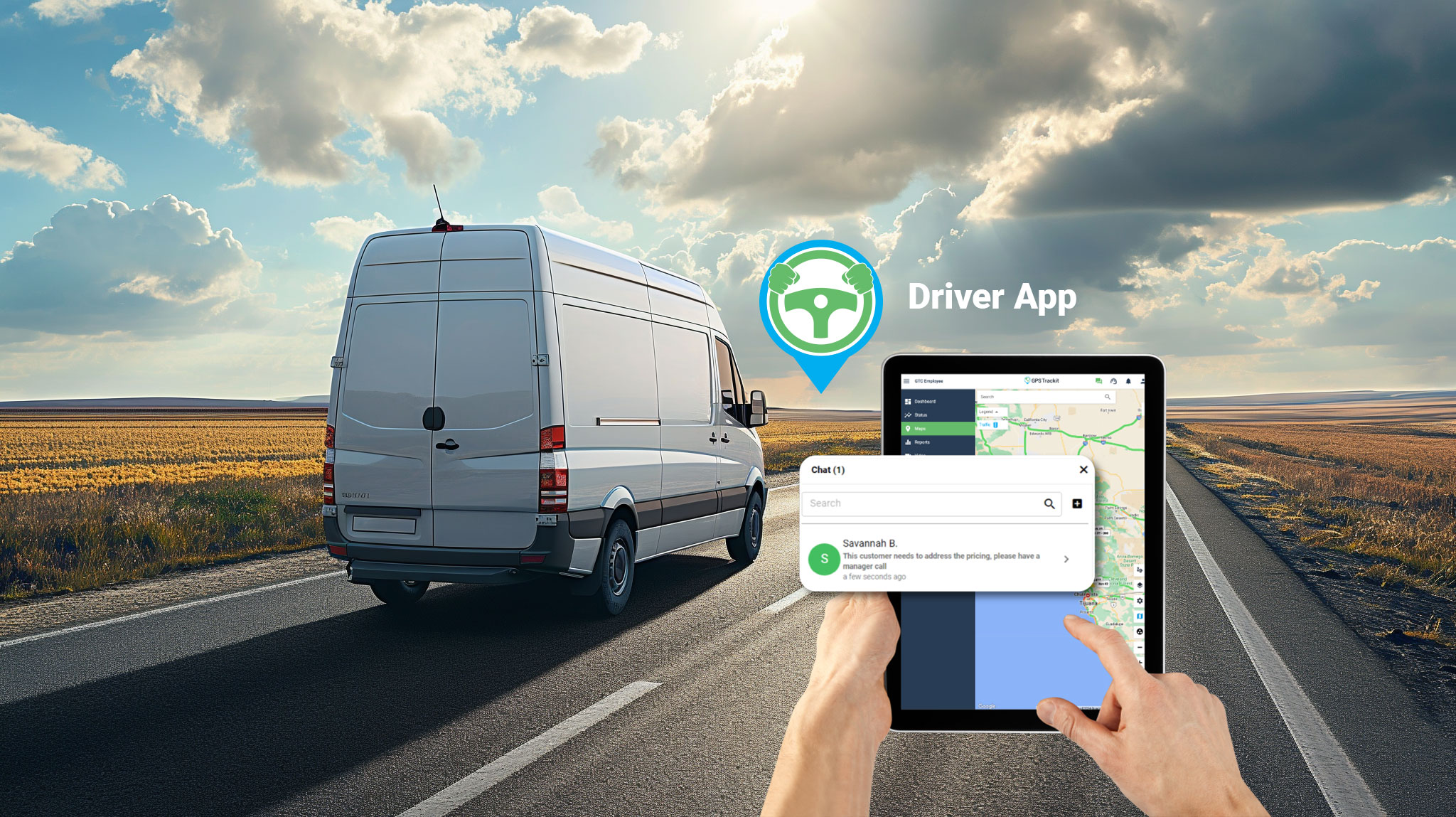
Last-mile operations often involve dense routes, frequent stops, customer communication, proof of delivery, tight appointment windows, and changing traffic conditions. These routes can be difficult to manage without strong dispatching and location visibility.
For many businesses, the last mile is where the customer experience becomes most visible. Accurate ETAs, route updates, service verification, and driver communication can all affect customer satisfaction.
How Fleet Technology Supports Different Trucking Assignments
Each trucking assignment creates different management needs. Long-haul fleets may prioritize compliance, vehicle health, driver availability, and ETA accuracy. Short-haul fleets may focus on route density, customer stops, and daily productivity. LTL and last-mile operations may need detailed stop-level visibility, while hotshot operators may need fast communication and location updates for urgent freight.
Fleet management technology can help teams track vehicles, monitor driver behavior, review route activity, manage maintenance, confirm service activity, and improve communication across different types of trucking work.
How Zonar Can Help
Zonar helps fleet teams bring vehicle, driver, asset, and operational data into clearer view. With fleet management, GPS tracking, reporting, maintenance, safety, and compliance tools, Zonar can help organizations manage different route types and make more informed decisions across daily operations.
To learn how Zonar can support your fleet management goals, contact the Zonar team.