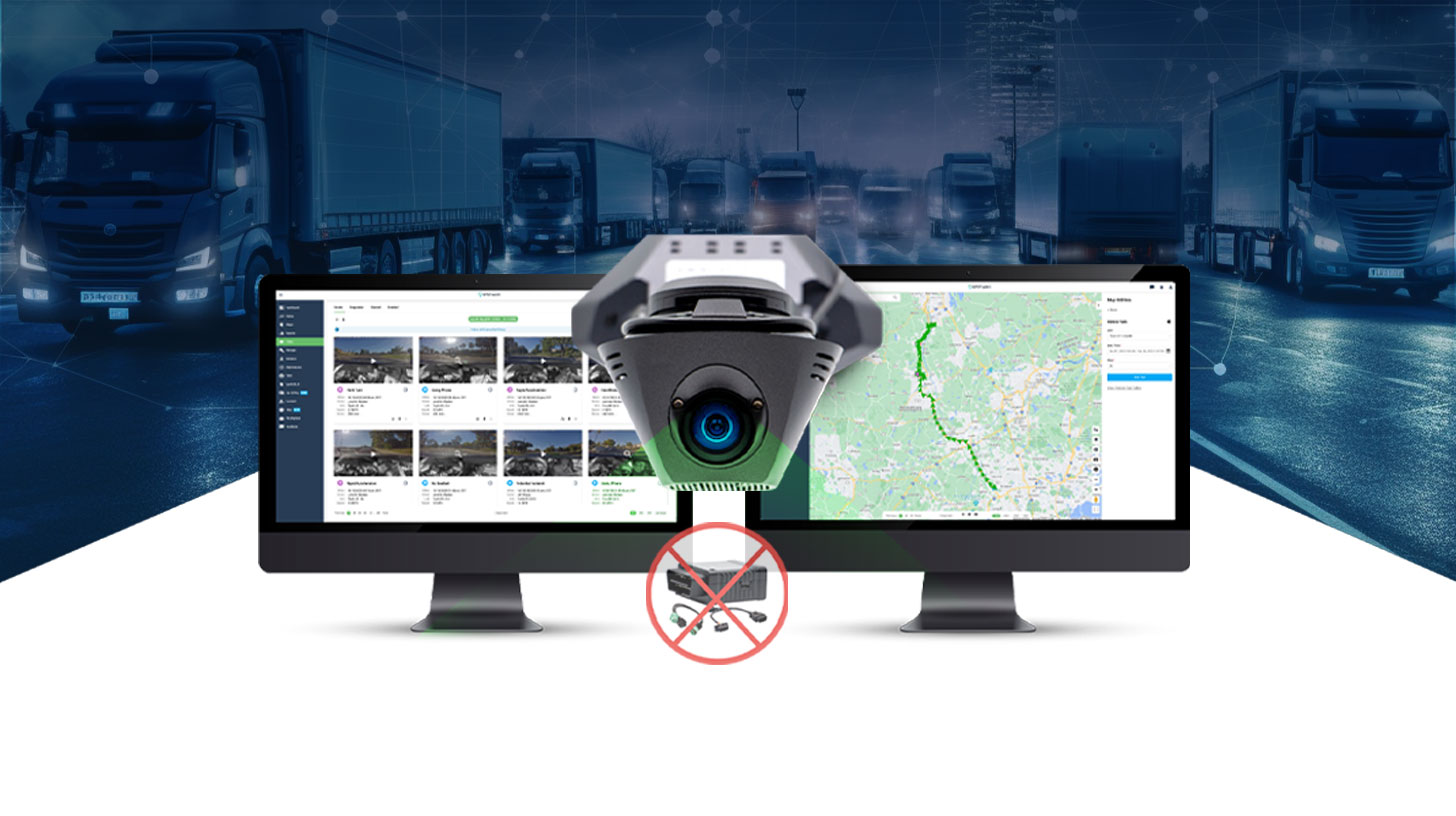
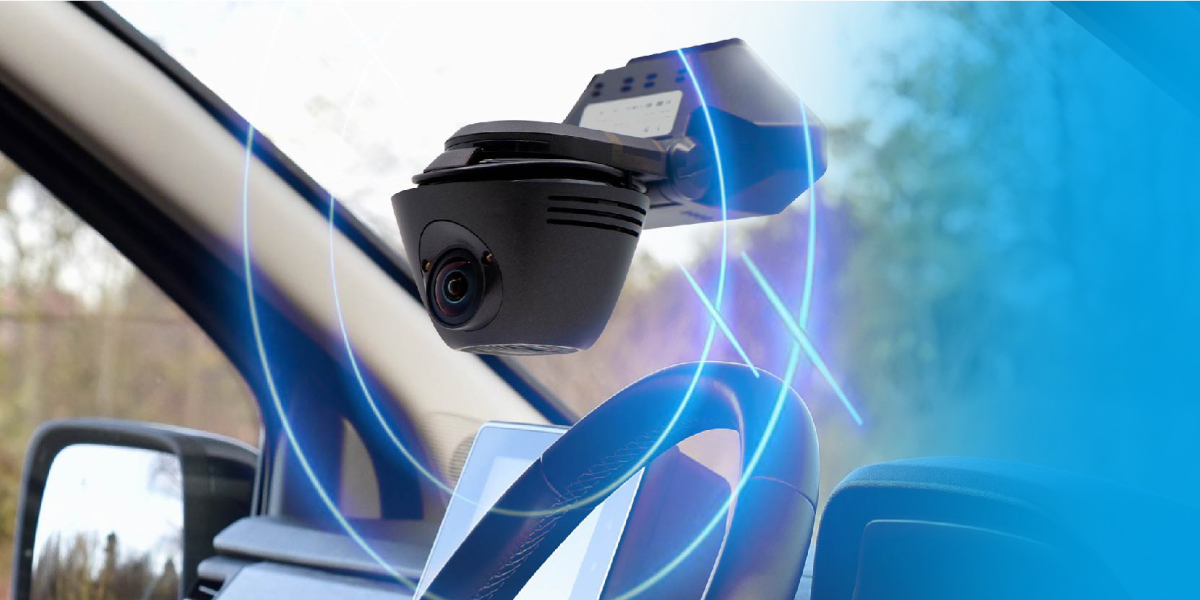
Video telematics can help fleet teams improve visibility into safety events, driver behavior, and what happens on the road. But for many fleets, adding video also raises a practical question: how many devices need to be installed in each vehicle?
For some configurations, a simplified video telematics setup can reduce hardware complexity by allowing the camera system to support both video visibility and vehicle tracking. That can make installation easier, reduce device clutter, and help fleet teams manage video and location data more efficiently.
What Is a Simplified Video Telematics Installation?
A simplified video telematics installation uses fewer in-vehicle components than a traditional paired setup. Instead of installing both a camera system and a separate GPS tracking device, some camera configurations can connect through the vehicle’s OBD connection and support video plus vehicle tracking from one hardware setup.
This type of setup may be useful for fleets that want video visibility and location tracking without adding unnecessary devices to the cab. It can also make deployment easier across vehicles where a simple installation is a priority.
When a simplified setup may make sense
A simplified video telematics installation may be a good fit when a fleet needs camera-based visibility, basic vehicle tracking, and a cleaner hardware setup, but does not require every feature that may depend on a paired telematics device.
Benefits of a Simplified Video Telematics Setup
A simplified installation can help reduce the number of devices installed in each vehicle. That may make the setup easier to manage, easier to troubleshoot, and less disruptive during rollout.
- Streamlined installation: Fewer devices can make deployment simpler and reduce the amount of hardware installed in the cab.
- Cleaner vehicle setup: A simplified configuration can reduce clutter around the OBD connection and dashboard area.
- Operational efficiency: Fleet teams can manage video and location visibility through a more unified setup when the configuration supports it.
- Scalability: Simpler installations may make it easier to roll out video telematics across more vehicles over time.
When a Paired Tracker May Still Be Needed
A simplified installation is not the right fit for every fleet or every use case. Some workflows may still require a paired telematics device, depending on the data, features, and vehicle integrations the fleet needs.
For example, fleets that rely on electronic logging device workflows, temperature monitoring, starter disable, advanced diagnostics, or other specialized features may need a traditional paired setup. The right configuration depends on the vehicle type, reporting requirements, compliance needs, and operational goals.
How to Choose the Right Configuration
Before choosing a simplified or paired setup, fleet teams should document what they need the system to do. Important questions include whether the fleet needs video only, video plus GPS tracking, ELD support, engine diagnostics, temperature monitoring, asset-specific reporting, or other connected workflows.
It is also important to consider installation resources, support needs, driver communication, and long-term fleet growth. The best setup is the one that supports your required workflows without adding unnecessary complexity.
How Zonar Can Help
Zonar helps fleet teams connect vehicle, driver, video, and operational data so leaders can make more informed decisions across safety, maintenance, compliance, and efficiency workflows. With flexible video telematics options, fleets can choose the configuration that best fits their vehicles and operating needs.
To learn how Zonar can support your fleet’s video telematics goals, contact the Zonar team.