What Is the Legality of Fleet Dash Cams?
Fleet dash cams and video telematics systems can help organizations improve visibility into safety events, support driver coaching, and review incidents more effectively. But camera programs also raise important questions about privacy, consent, placement, audio recording, data access, and employee notice.
In general, fleet cameras can be used for legitimate business purposes, but the details matter. Requirements can vary by state, industry, union agreement, vehicle type, camera configuration, and whether the system records audio, video, location data, or driver-facing footage.
Are Fleet Dash Cams Legal?
Fleet dash cams are commonly used in commercial vehicles, but fleets should not assume that every camera setup is automatically acceptable in every situation. Road-facing cameras, driver-facing cameras, inward-facing video, audio recording, and live monitoring may each raise different privacy and employment-law considerations.
Fleet teams should review applicable laws and internal policies before deploying cameras, especially when recording inside the cab or collecting audio. They should also document the business reasons for using the system, such as safety, incident review, driver coaching, claims support, vehicle security, or compliance workflows.
Privacy, consent, and placement
Dash cam, audio recording, privacy, employee-notice, and camera-placement requirements can vary by state and may change. Fleets should review policies with qualified counsel before deploying cameras or expanding a video telematics program.
Why Disclosure Matters
Clear disclosure is one of the most important parts of a fleet camera program. Drivers should understand what equipment is installed, what the cameras record, when footage is captured, whether audio is enabled, who can access the footage, and how long video is retained.
Even when cameras are installed in visible locations, fleets should still communicate the policy clearly. Written acknowledgment, onboarding materials, driver training, and policy updates can help reduce confusion and support a more transparent rollout.
Covert monitoring can create significant legal, privacy, and employee-relations risks. If a fleet is considering any camera configuration that drivers may not reasonably understand, it should seek legal guidance before moving forward.
Road-Facing vs. Driver-Facing Cameras
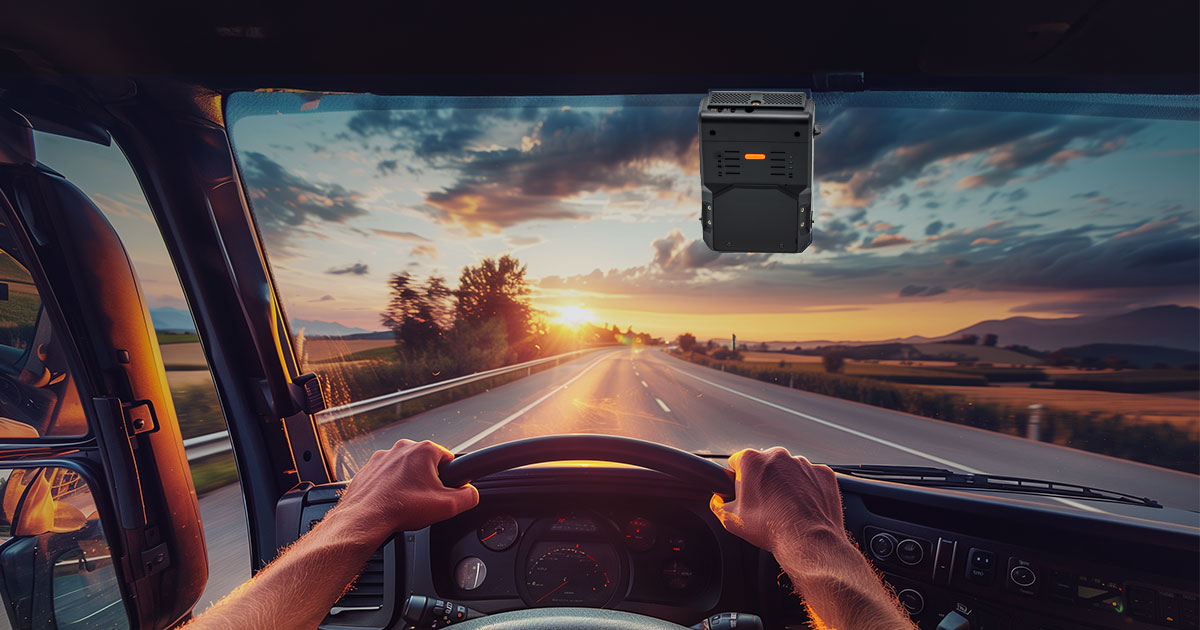
Road-facing cameras generally capture what happens outside the vehicle. They can help provide context for collisions, traffic events, customer complaints, or sudden braking events.
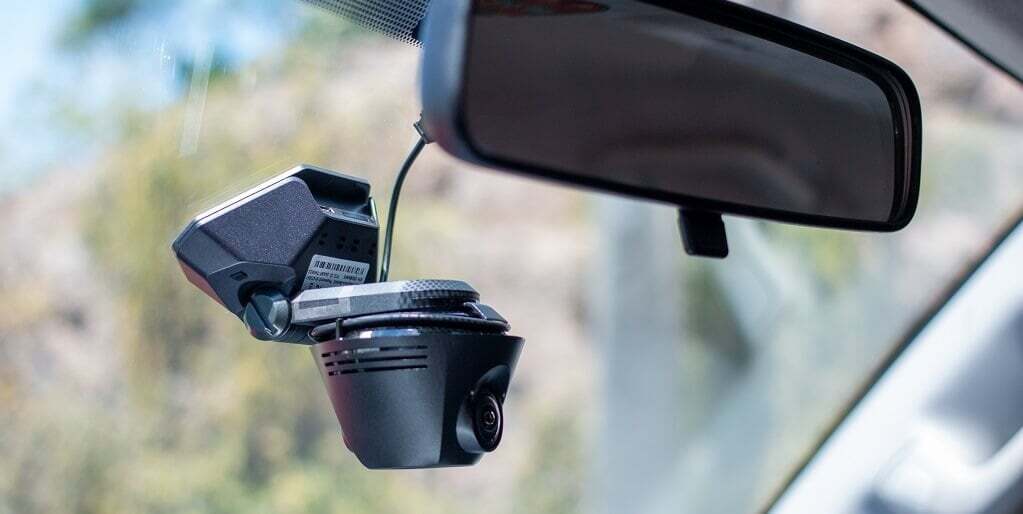
Driver-facing cameras capture activity inside the cab. These systems can help identify certain behaviors, such as distraction, seat belt use, fatigue indicators, or phone use, depending on the system. However, they also require more careful policy planning because they involve employee privacy expectations.
Some fleets choose road-facing cameras only. Others use dual-facing cameras with clear limits on when footage is reviewed. The right approach depends on the fleet’s safety goals, risk profile, driver expectations, and legal requirements.
Audio Recording Requires Extra Care
Audio recording can create additional legal risk because consent rules vary by state. Some states require consent from all parties to a recorded conversation, while others have different requirements.
For that reason, fleets should be especially cautious before enabling audio recording in commercial vehicles. If audio is not essential to the safety or operational purpose of the program, some fleets may choose to disable it or limit its use.
How Dash Cam Footage Can Be Used
Dash cam footage can support several business purposes when used responsibly. Fleets may use video to review incidents, coach drivers, investigate complaints, support claims handling, document vehicle activity, or better understand safety trends.
Footage should be reviewed consistently and fairly. Drivers should know whether video may be used for coaching, discipline, recognition, incident review, or insurance and claims processes. Managers should also be trained on how to review footage without taking clips out of context.
Video can provide helpful evidence, but it does not guarantee a specific legal, insurance, or claims outcome. It should be treated as one part of a broader safety and risk management process.
Building a Responsible Fleet Camera Policy
A strong fleet camera policy should be clear, practical, and easy for drivers and managers to understand. It should explain the purpose of the camera program and how footage will be handled.
- Purpose: Explain why the fleet uses cameras, such as safety, coaching, incident review, claims support, or asset protection.
- Camera configuration: Identify whether cameras are road-facing, driver-facing, or both.
- Audio settings: State whether audio is recorded and under what circumstances.
- Notice and consent: Document how drivers are informed and whether written acknowledgment is required.
- Access controls: Define who can view footage and for what purposes.
- Retention: Explain how long footage is stored and when it may be deleted.
- Review process: Describe how clips are reviewed, escalated, and used for coaching or follow-up.
- Driver rights and questions: Give drivers a clear way to ask questions or raise concerns.
Driver Communication Is Critical
Even a legally compliant camera program can create driver resistance if it is introduced poorly. Fleet leaders should explain how the system supports safety, fair incident review, and driver coaching. They should also be clear about what the system is not intended to do.
When drivers understand the purpose, limits, and review process, camera programs are more likely to be accepted and used effectively. Transparency can also help reinforce that the goal is safer operations, not unnecessary surveillance.
How Zonar Can Help
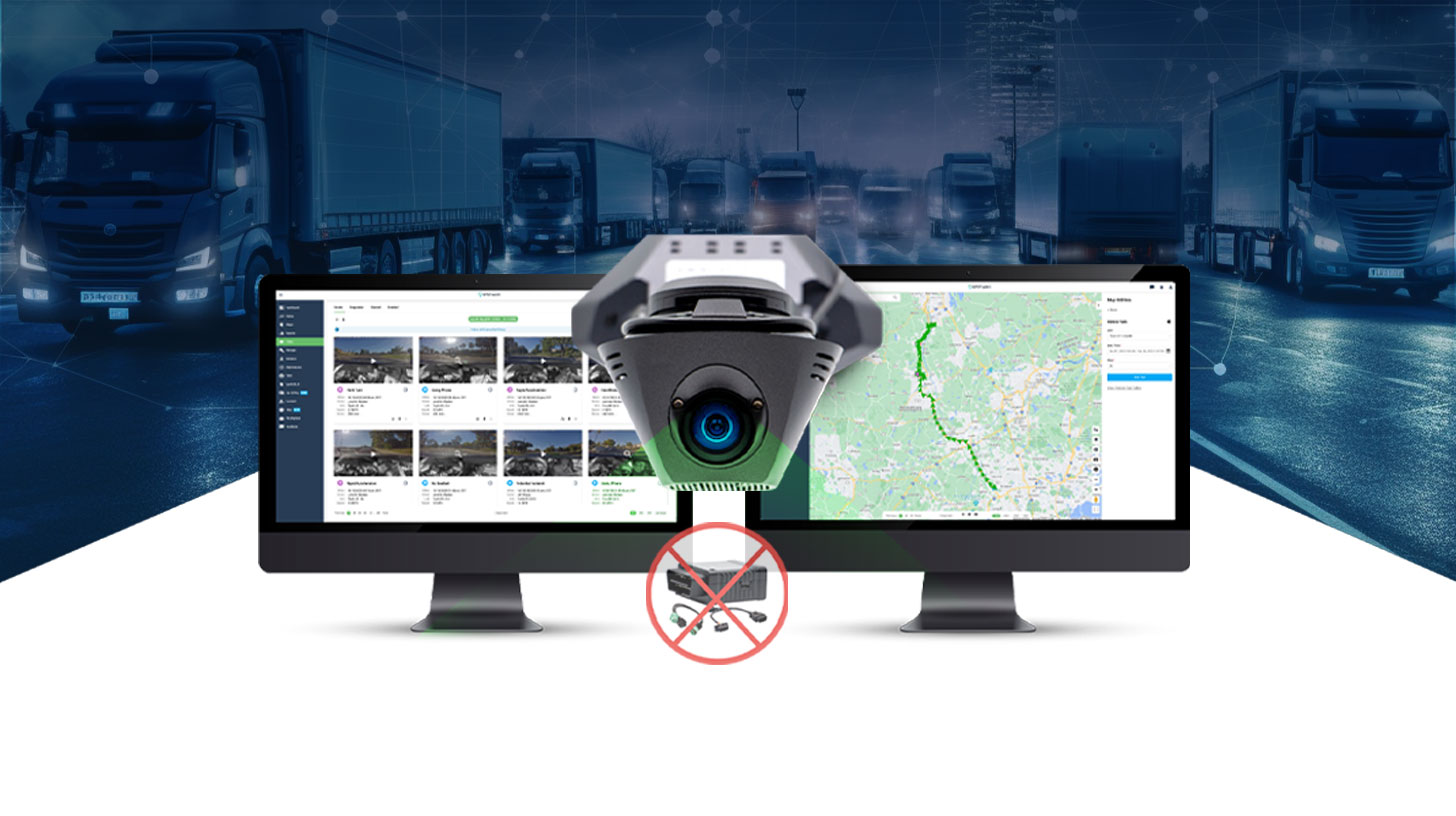
Zonar’s video telematics solutions help fleet teams bring safety events, driver behavior, and vehicle activity into clearer view. With connected fleet visibility and video context, teams can support coaching, review incidents more effectively, and make more informed decisions across daily operations.
Before deploying or expanding a camera program, fleets should review applicable laws, privacy expectations, labor requirements, and internal policies with qualified legal or compliance resources.
To learn how Zonar can support your fleet safety and video telematics goals, contact the Zonar team.